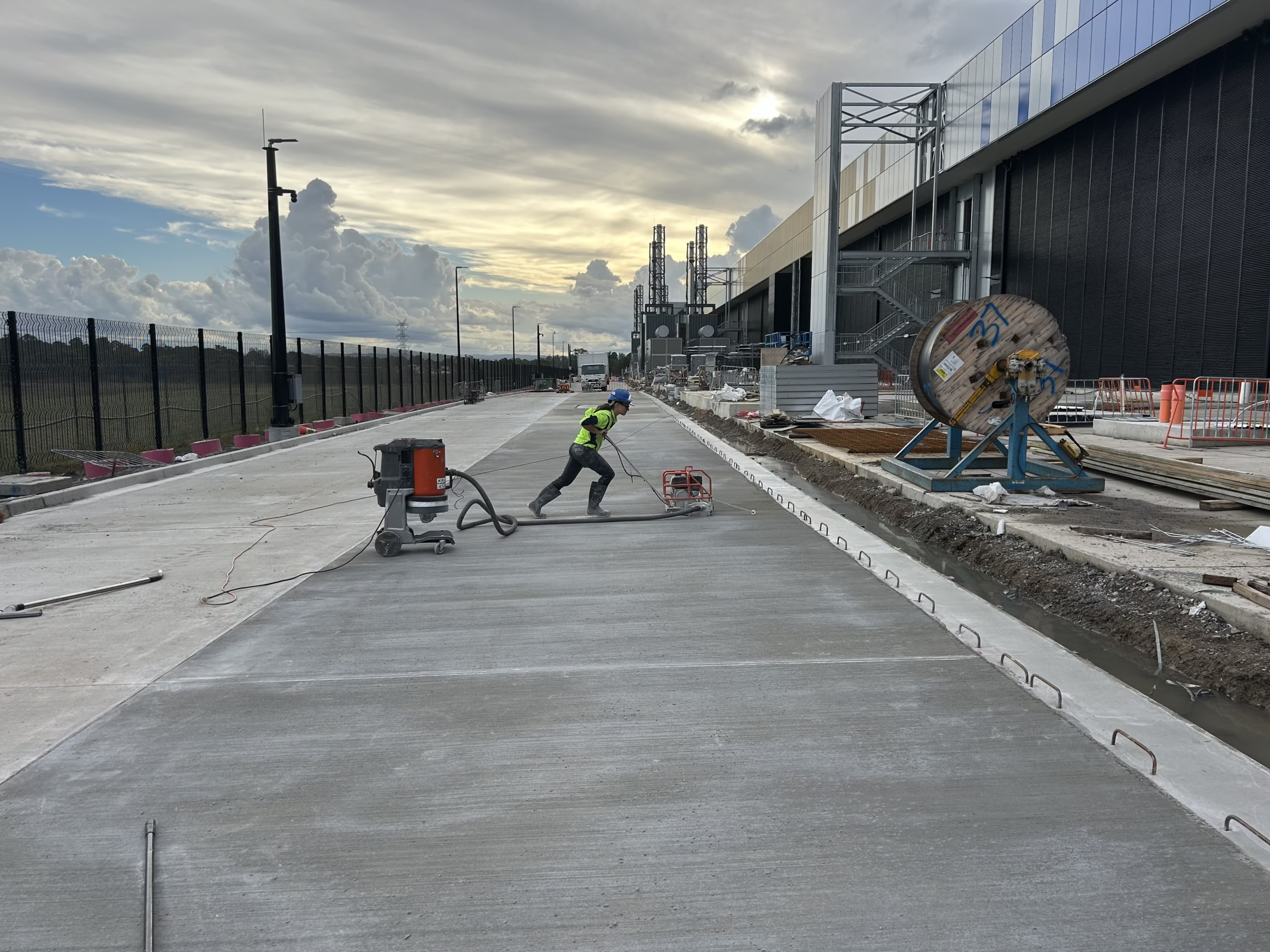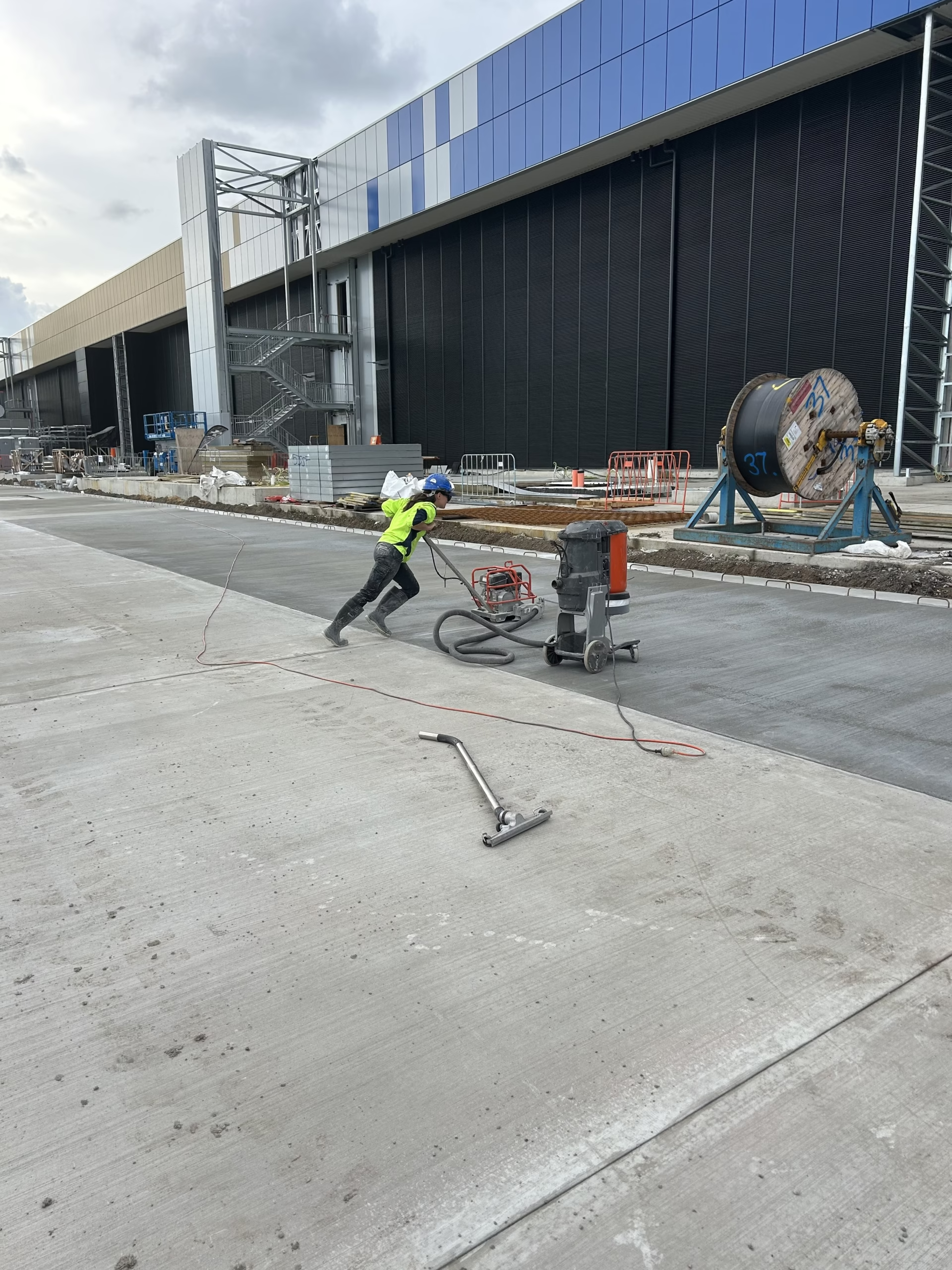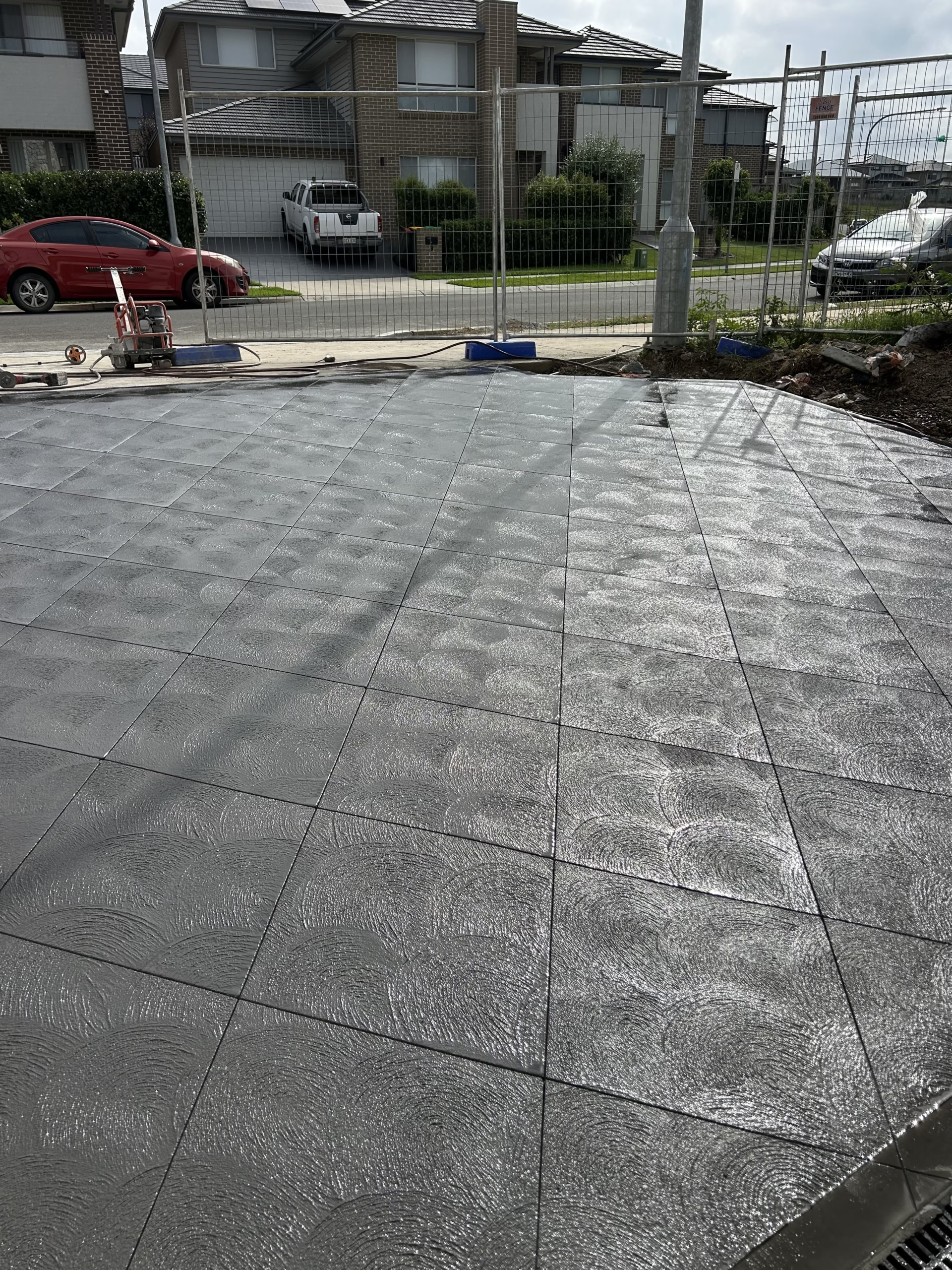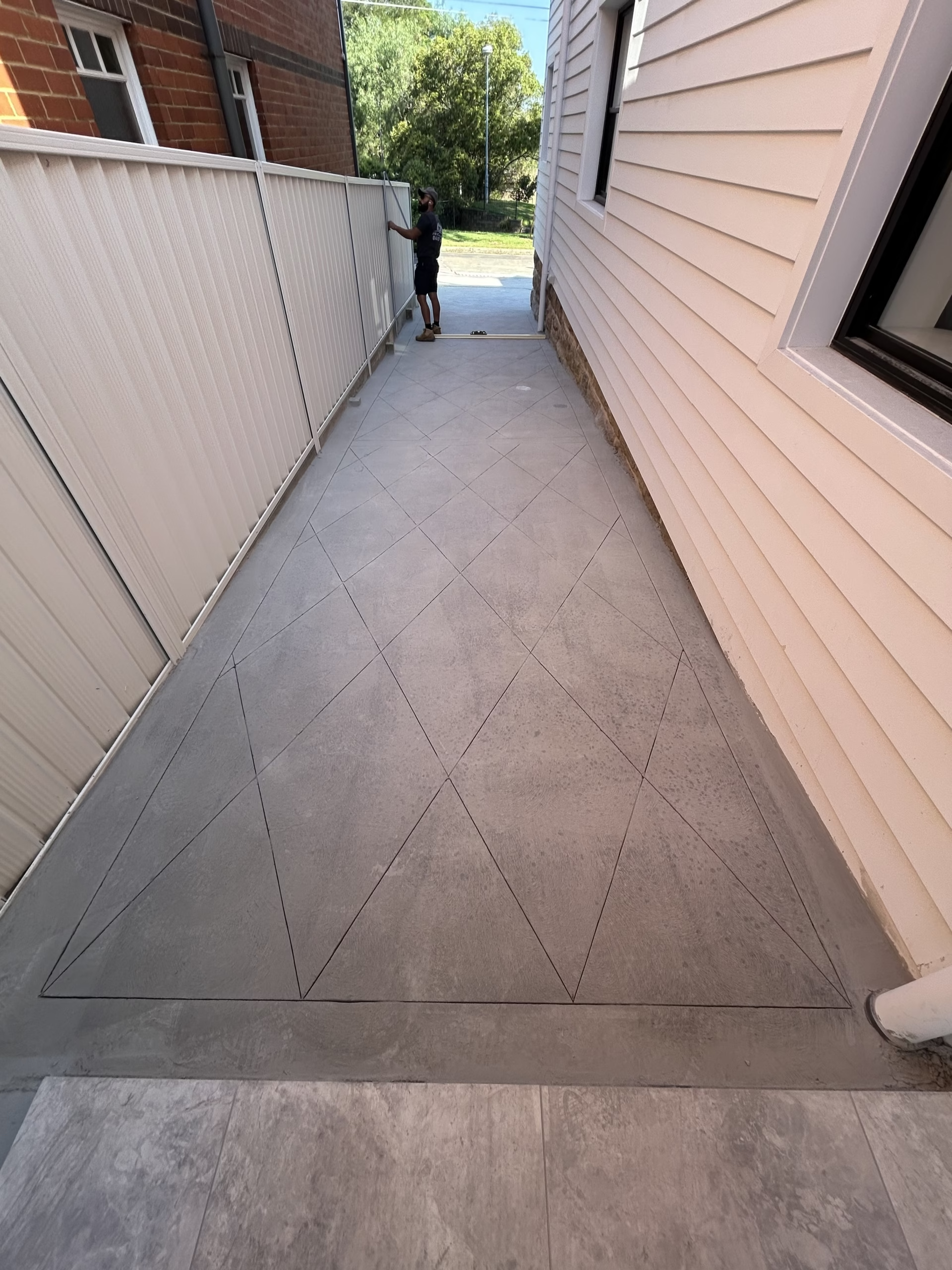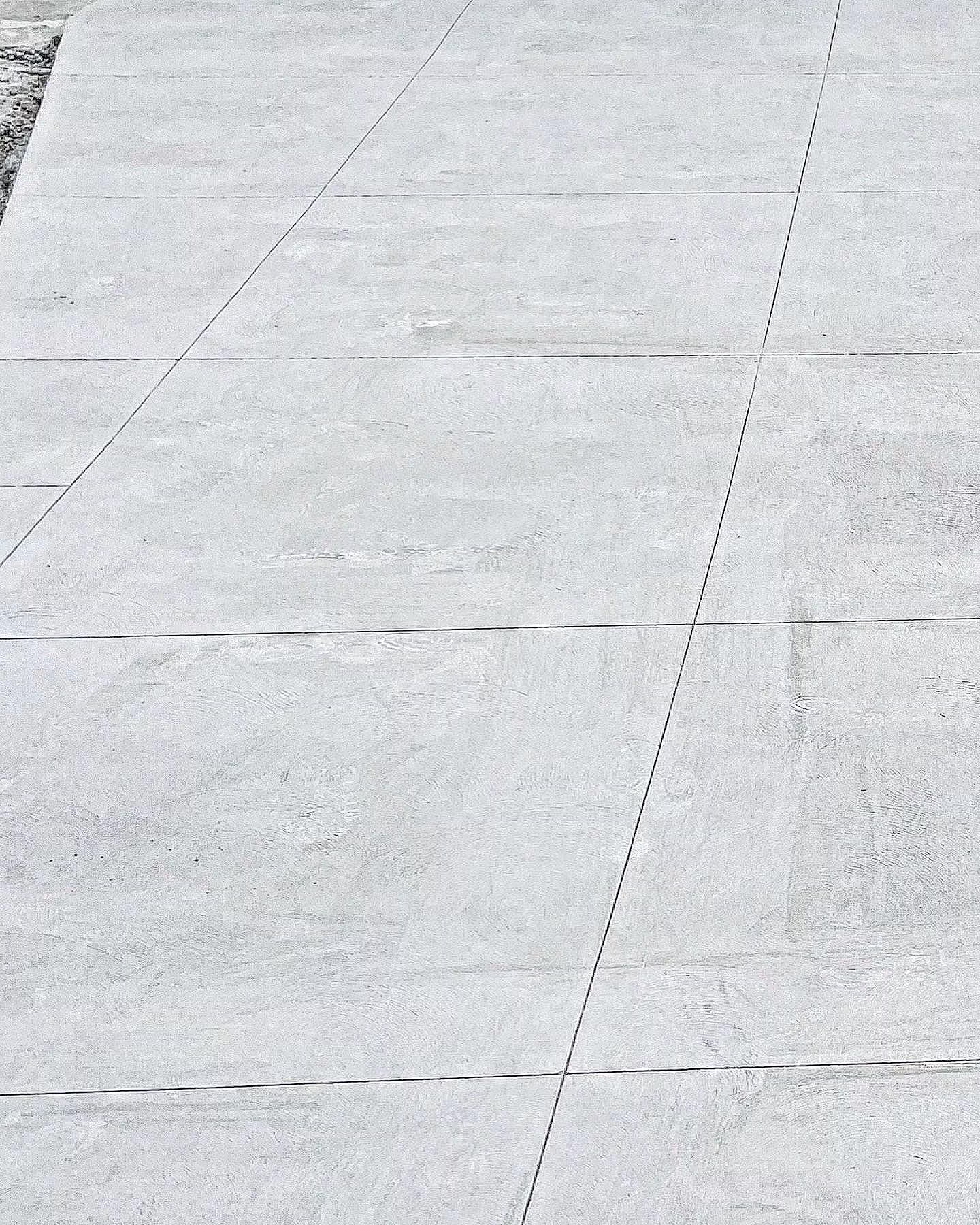
Concrete Soff Cut/ Expansion Cutting
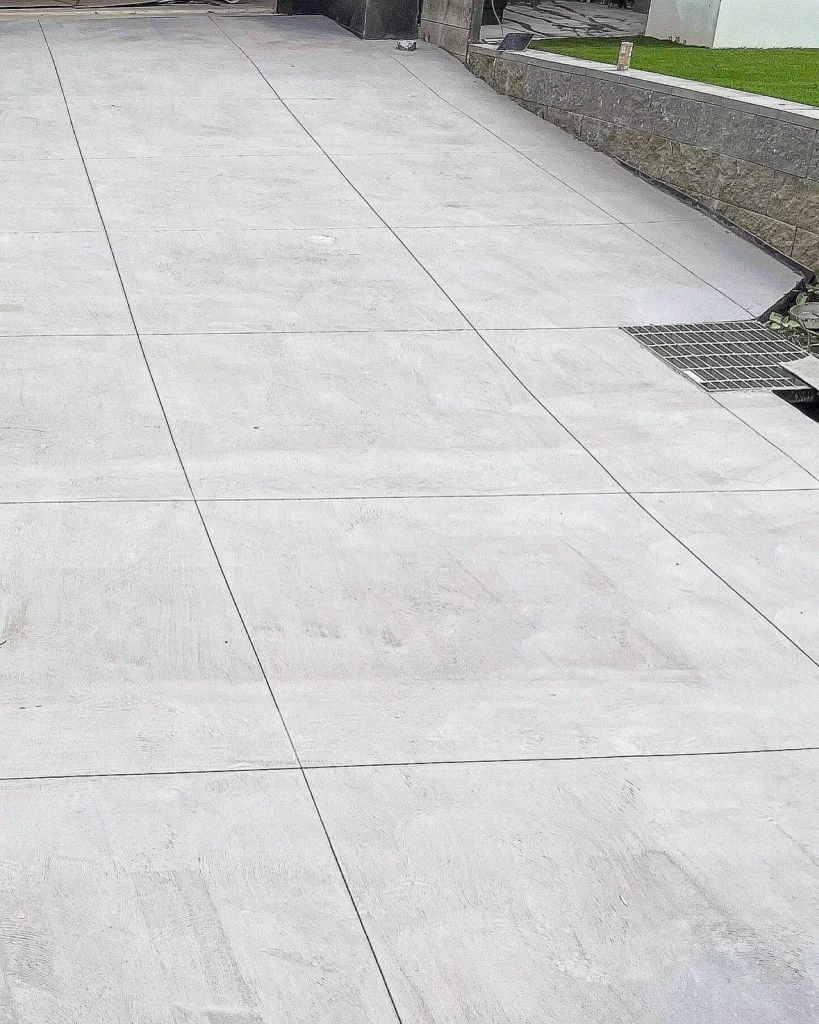
Concrete Soff Cut/ Expansion Cutting
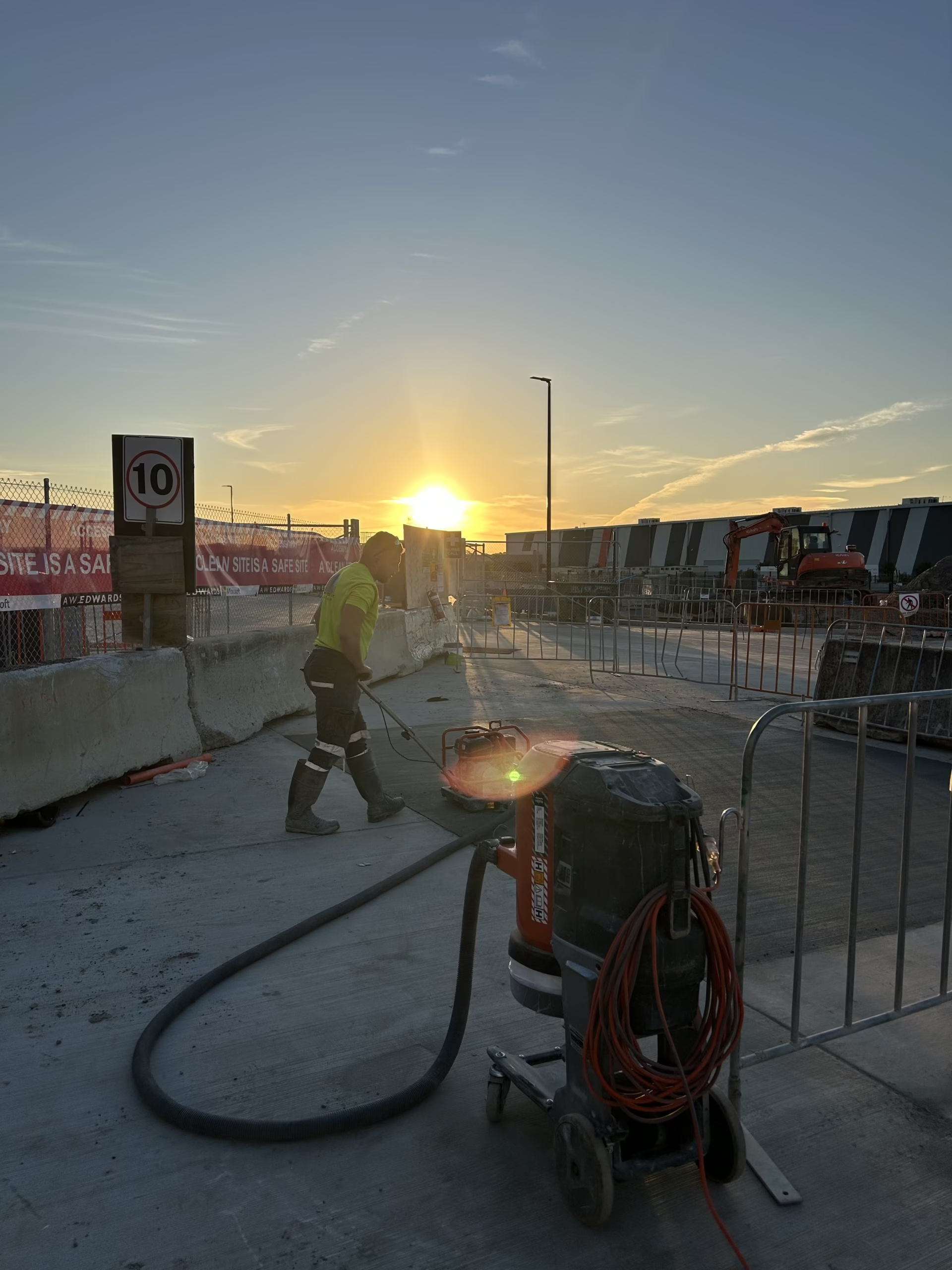
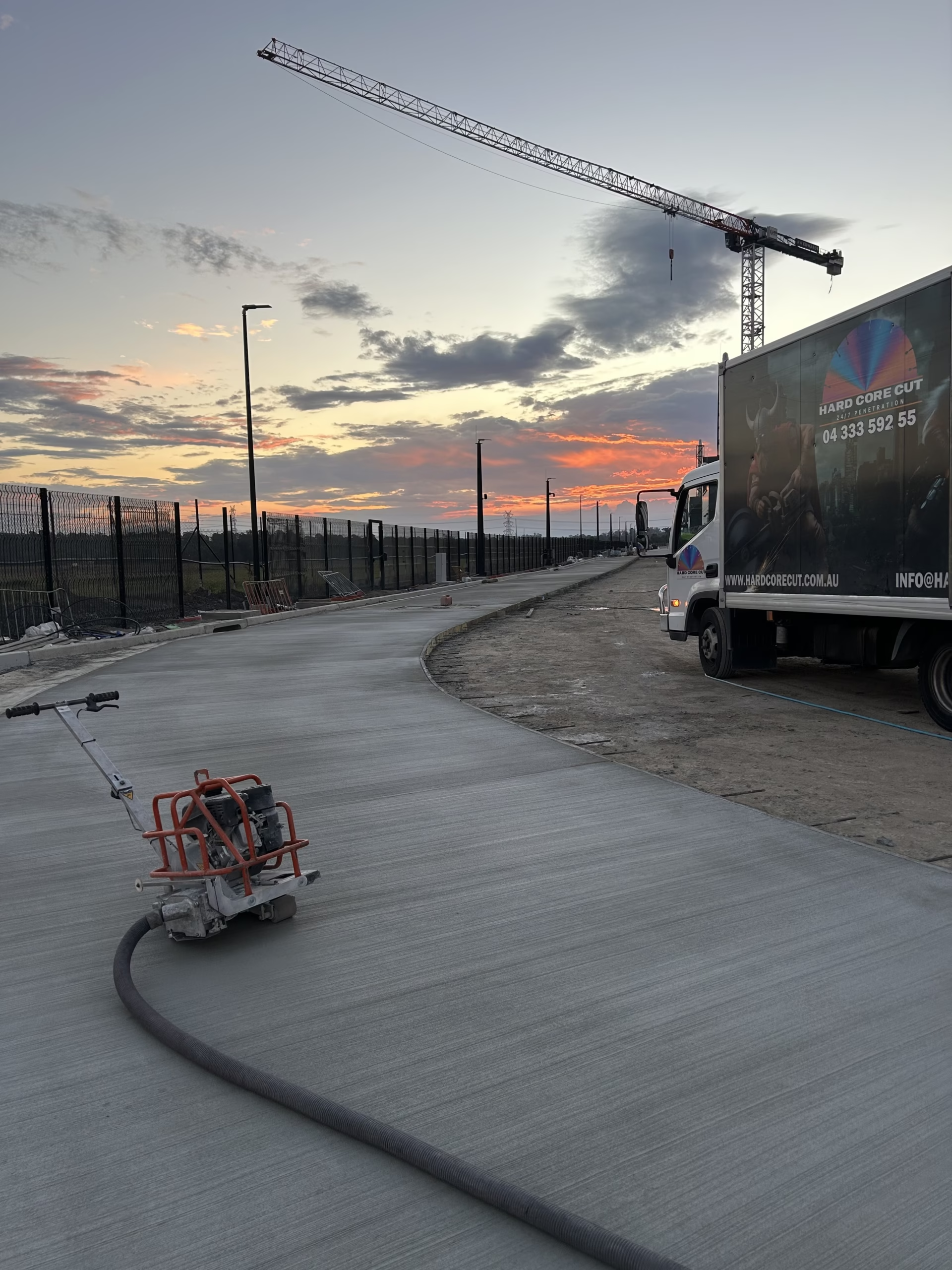
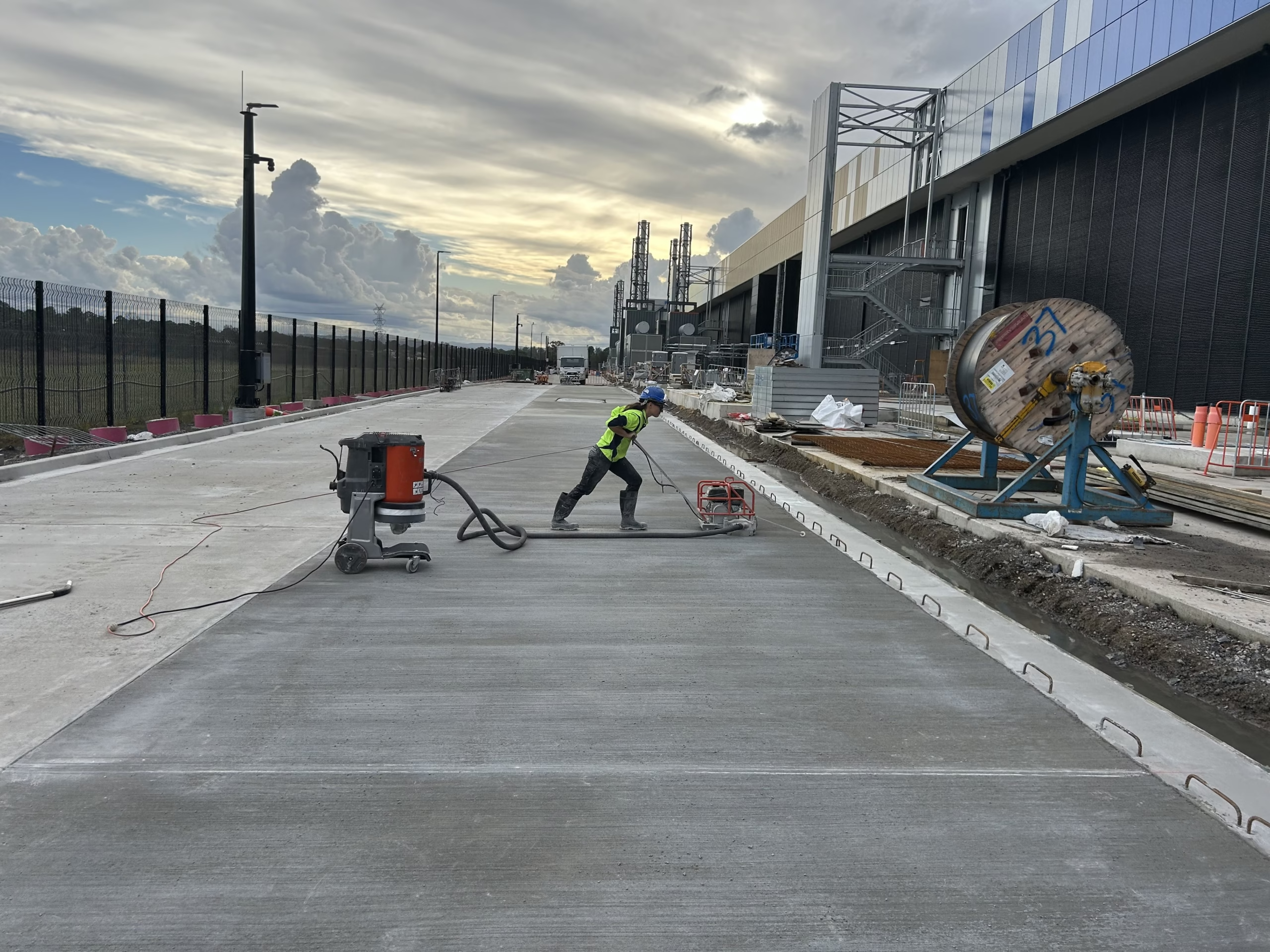
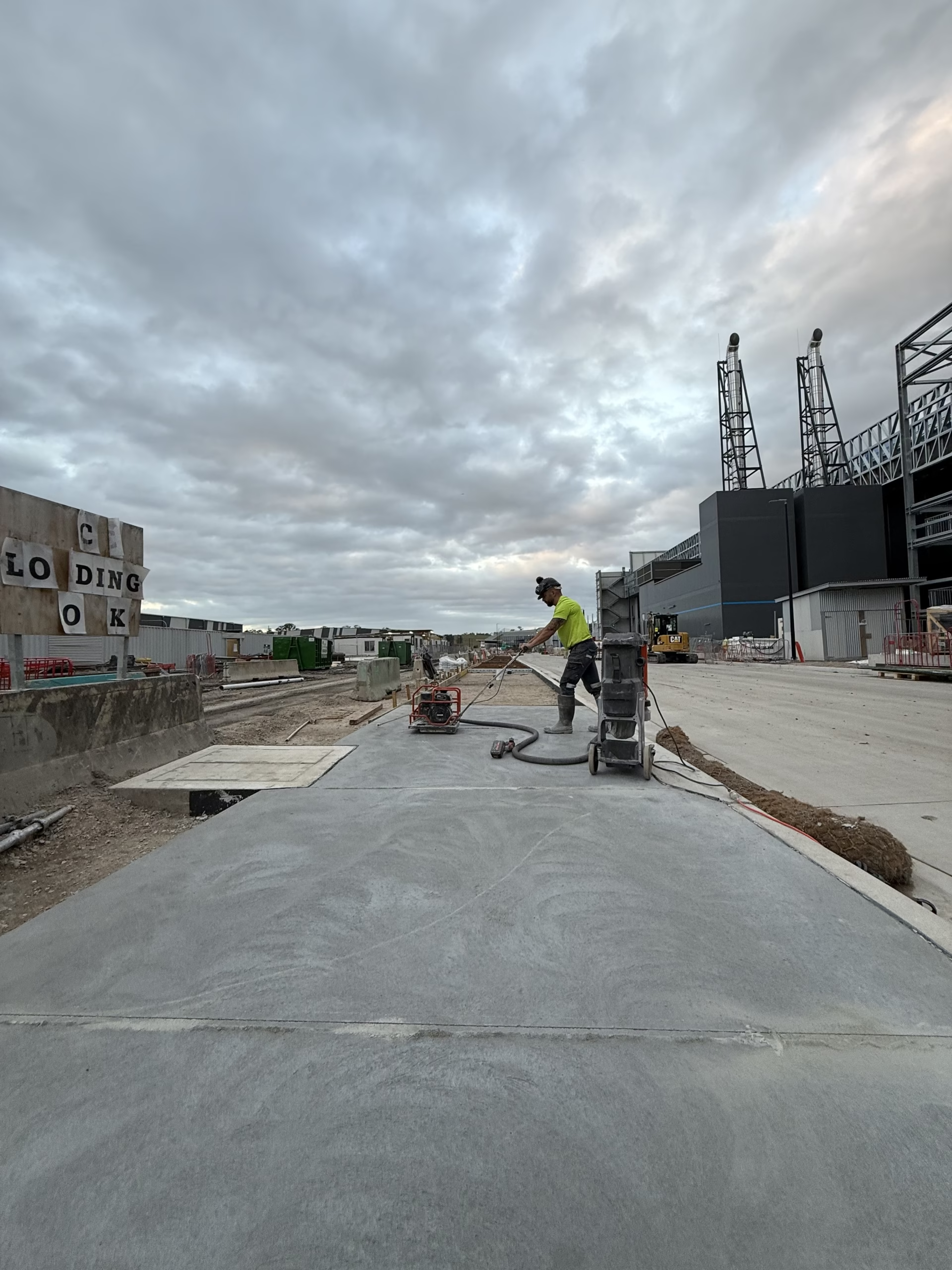
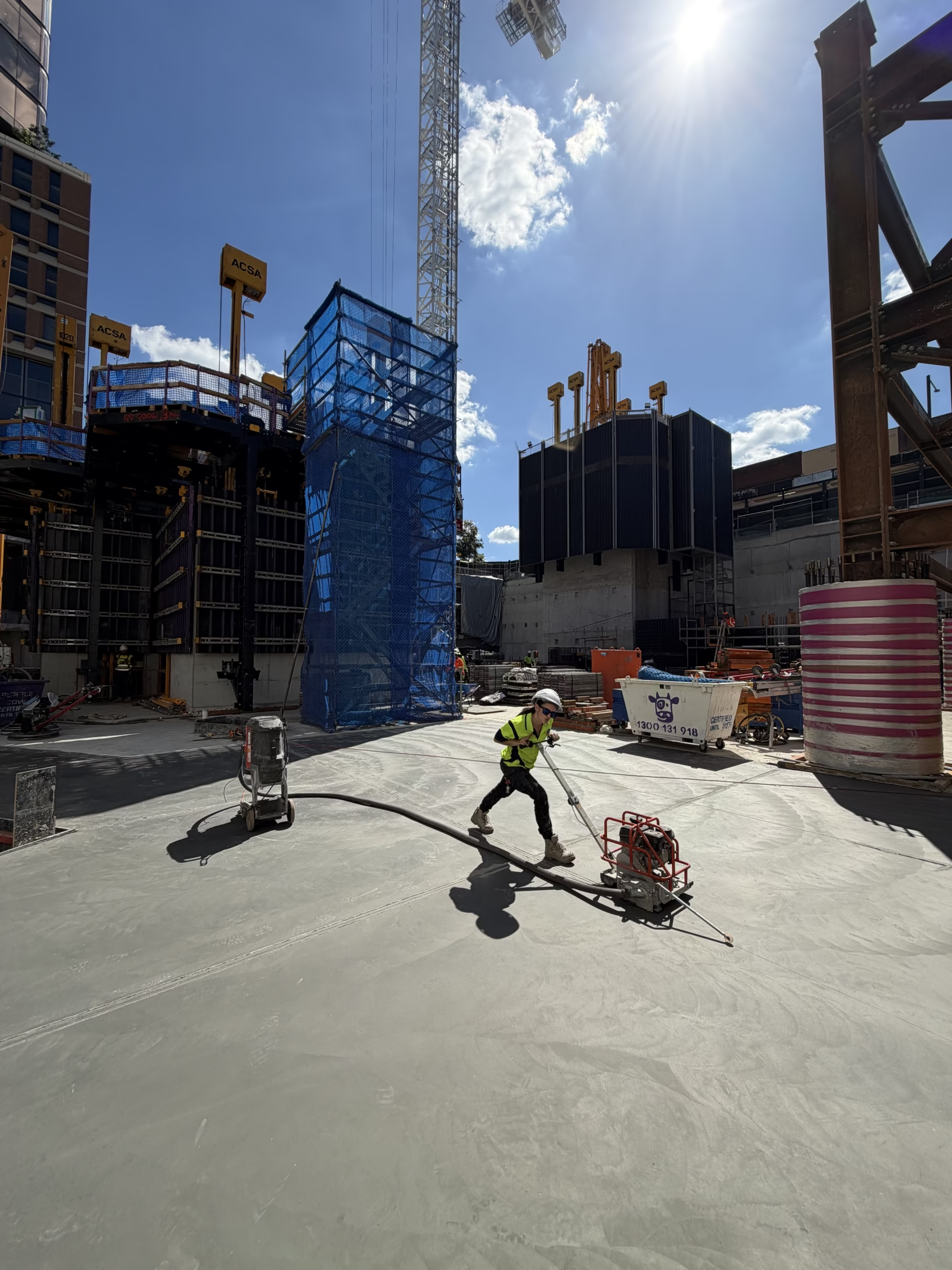
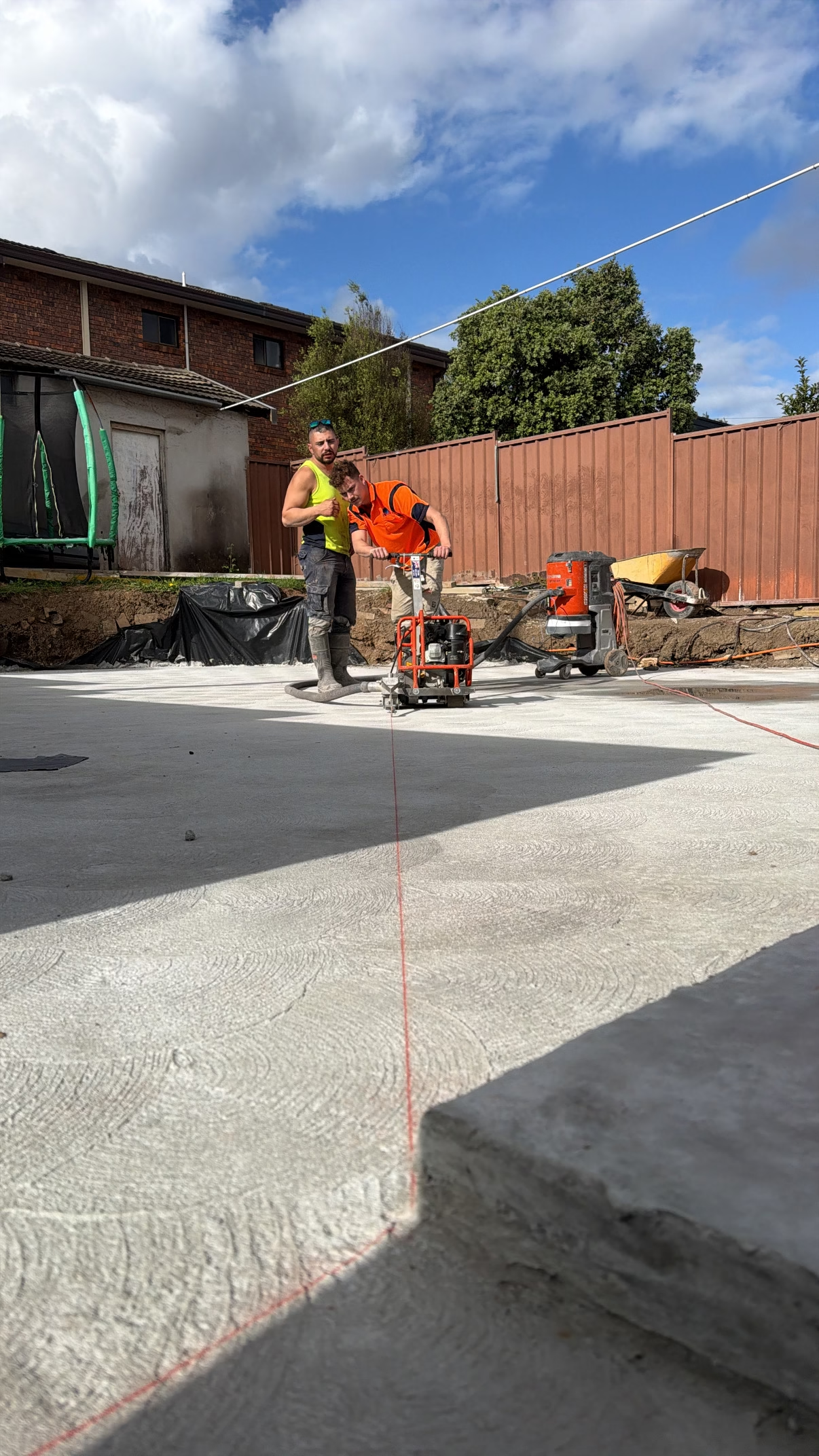
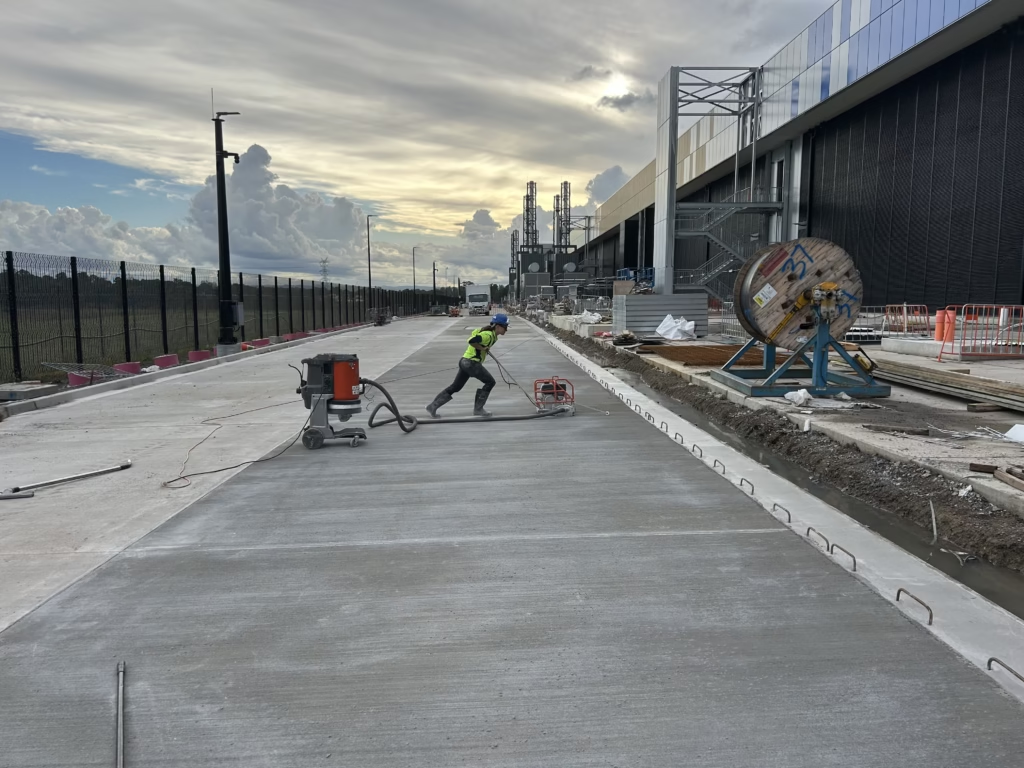
Soff-cutting (often written Soff-Cut cutting) is a method of creating early-entry control joints in freshly placed concrete using a specialized saw designed to cut concrete much sooner than conventional saws.
The term comes from equipment developed by Husqvarna Soff-Cut®, though many people use “soff-cutting” generically to describe early-entry joint cutting.
What is the purpose?
Concrete shrinks as it cures. Without control joints, the slab can crack randomly. Soff-cutting creates a weakened line that encourages any shrinkage cracking to occur neatly beneath the cut rather than elsewhere in the slab.
When is it used?
Typically on:
- Warehouse floors
- Industrial slabs
- Footpaths and pavements
- Driveways
- Concrete hardstands
- Retail and commercial floors
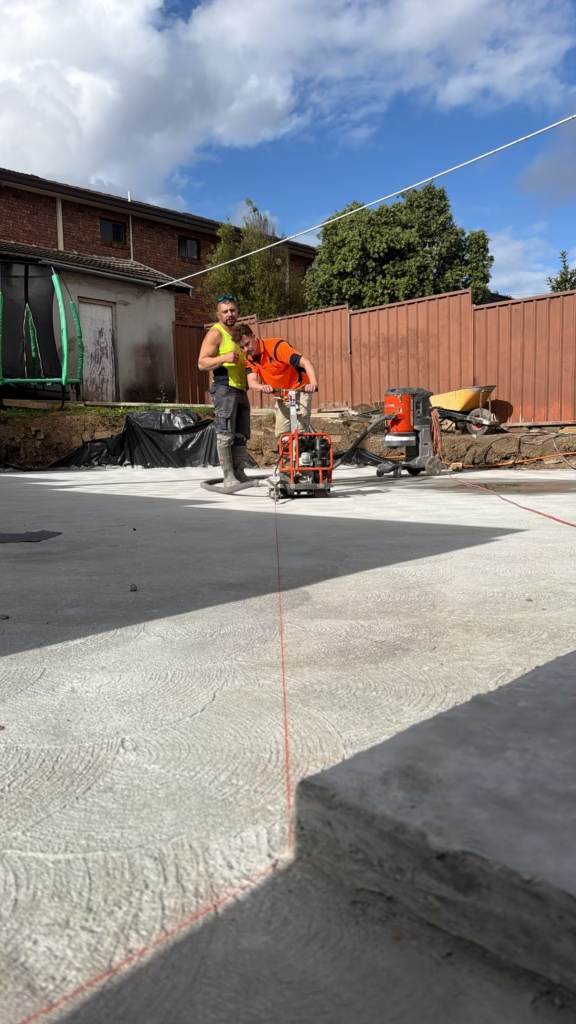
The key feature is that cutting can often begin within a few hours of concrete placement, once the concrete is firm enough to support the saw and operator without surface damage.
How deep are the cuts?
Soff-cut joints are typically much shallower than conventional saw cuts, often around 25–40 mm depending on slab thickness and engineering requirements.
How does the saw work?
A soff-cut saw uses:
- A diamond blade
- A skid plate that rides on the concrete surface
- Anti-spalling technology to minimize edge chipping
This allows cutting while the concrete is still relatively green (young and not fully hardened).
Example
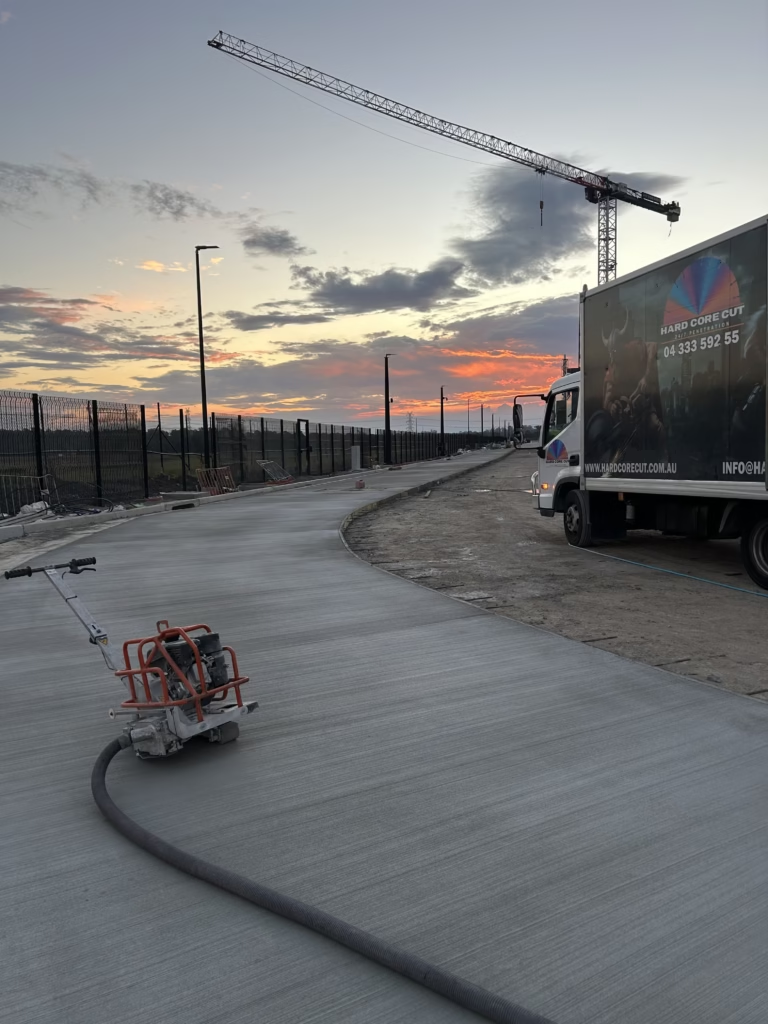
A contractor pours a large warehouse slab in the morning. A few hours later, once the surface can support the equipment, they use a soff-cut saw to create a grid of control joints. As the concrete shrinks during curing, cracks are encouraged to form beneath those joints rather than randomly across the floor.
Benefits
- Reduces the risk of uncontrolled shrinkage cracks
- Allows joints to be installed sooner
- Can improve slab appearance
- Helps maintain floor performance and durability
- Often reduces joint-edge damage compared with waiting too long to cut
In concrete construction, soff-cutting is primarily a preventative crack-control technique, not a demolition or removal cutting method. It is used during the construction of new concrete slabs rather than for modifying or removing existing concrete.
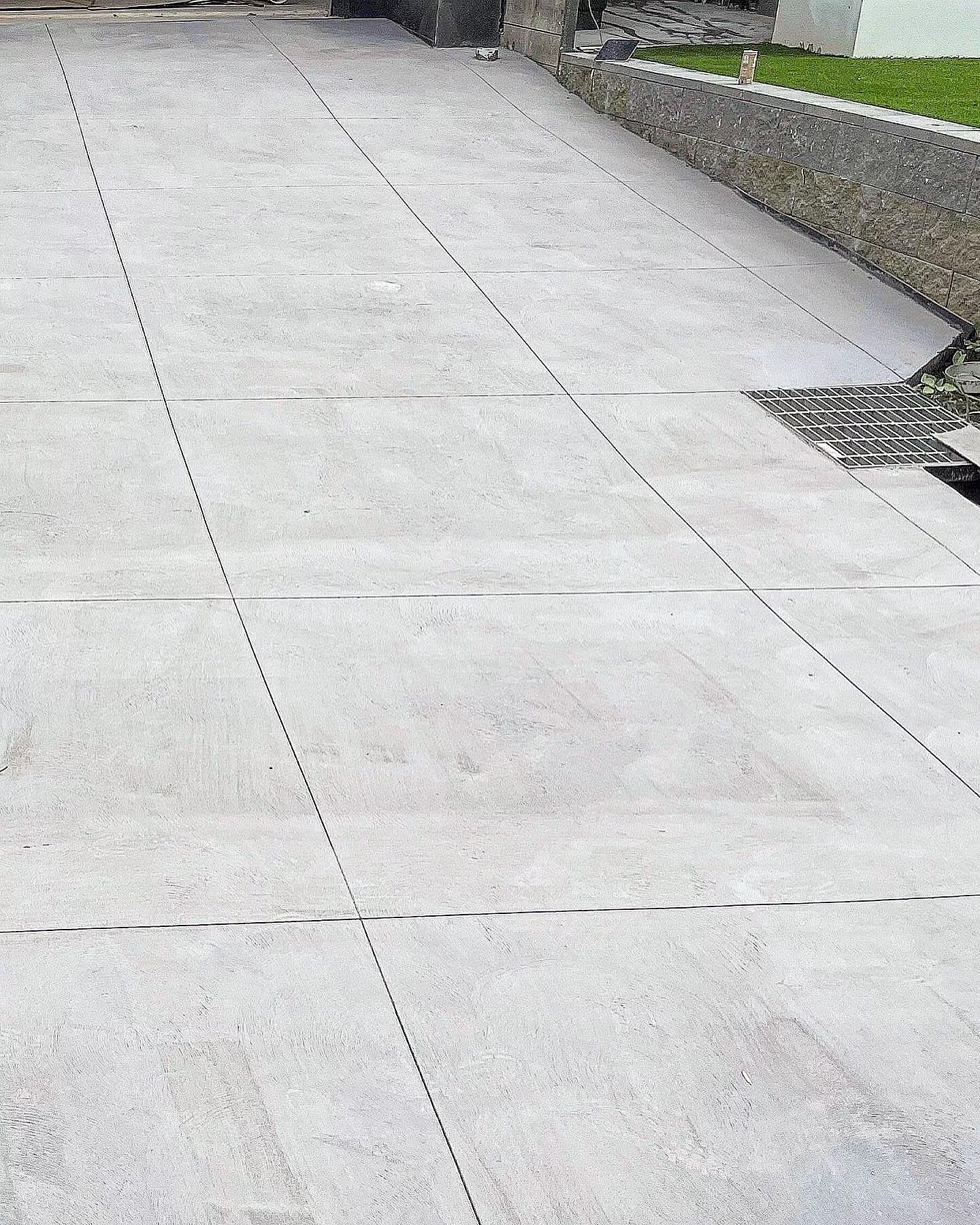
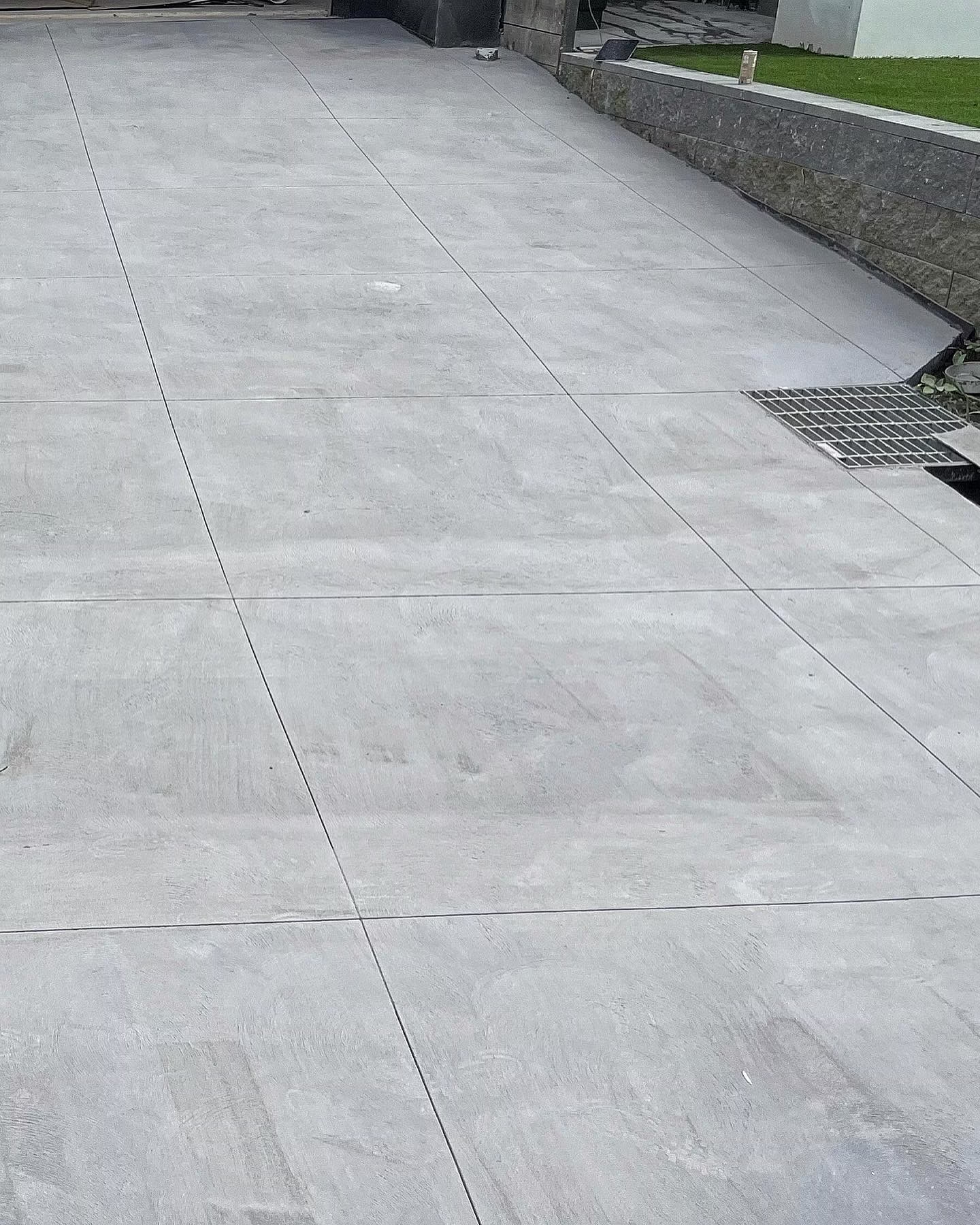
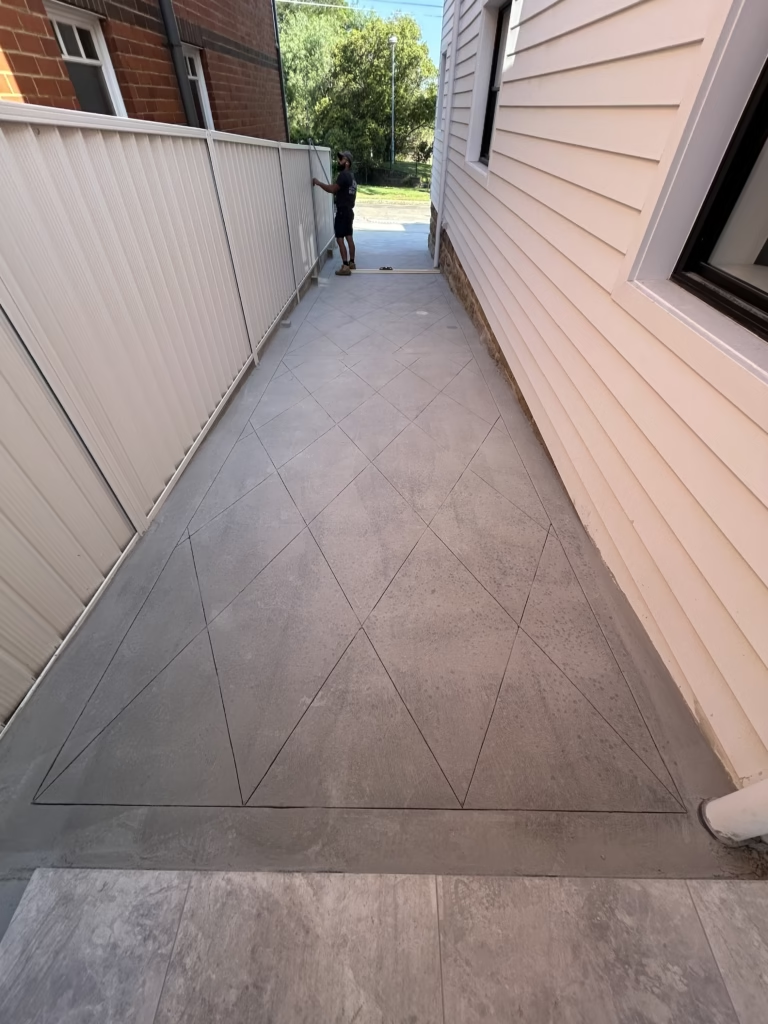
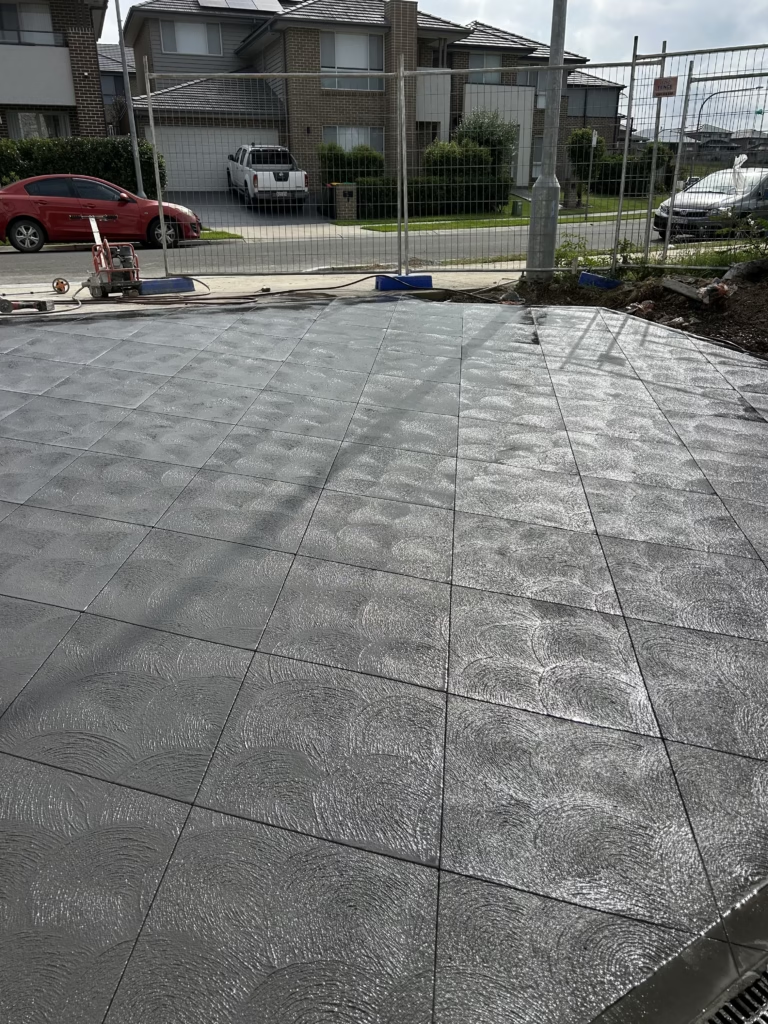
A Soff-Cut saw is primarily designed for early-entry control joints, but it can also be used to create decorative saw-cut patterns in concrete driveways. The key limitation is that Soff-Cut saws typically make narrow, shallow cuts, so the designs tend to be geometric and clean-lined rather than deeply engraved.
Popular driveway designs using saw cuts
Ashlar stone pattern
Creates the appearance of large rectangular paving stones.
|—–|——–|——|
| | | |
|—–|—|—-|——|
| | |
|—-|—-|—–|—–|
This is one of the most common decorative saw-cut patterns for residential driveways.
Large square grid
Simple and modern.
+—–+—–+—–+
| | | |
+—–+—–+—–+
| | | |
+—–+—–+—–+
Works well with contemporary homes.
Random rectangular pattern
Designed to resemble natural stone paving.
|——–|—-|
| | |
|—-|—| |
| | |
|—-|——–|
Diamond pattern
Diagonal cuts create a more decorative appearance.
\ / \ /
\/ \/
/\ /\
/ \ / \
Often used on wider driveways and entry aprons.
Border and panel design
A perimeter border with internal panels.
+——————+
| +————–+ |
| | | |
| | | |
| +————–+ |
+——————+
A popular high-end residential option.
Combining structural and decorative joints
A common approach is to:
- Design the decorative pattern first.
- Ensure the pattern aligns with required control-joint locations.
- Use the decorative cuts as the control joints wherever possible.
This helps control cracking while improving appearance.
Things to consider
- Control joints should still be located according to good concrete practice, not just aesthetics.
- Decorative saw cuts generally need to be cut at the correct time to prevent random cracking.
- Joint spacing often depends on slab thickness and local conditions.
- Coloured, exposed aggregate, and stamped concrete can all be enhanced by decorative saw-cut patterns.
Typical Australian residential driveways
In Australia, common decorative Soff-Cut layouts include:
- Square panels (1.2–1.8 m spacing)
- Ashlar patterns
- Border-and-panel layouts
- Diagonal feature bands near the street or garage entrance
For a standard two-car driveway (say 5–6 m wide and 8–12 m long), a border-and-panel design or an ashlar pattern often provides the best balance of crack control and appearance.
Soff-Cut saws come in several sizes, ranging from small walk-behind units for residential work to larger machines for commercial and industrial slabs. The size affects the blade diameter, cutting depth, productivity, and the type of project they’re suited for.
Small Soff-Cut saws
Typical blade size: 150–200 mm (6–8 in.)
Typical cut depth: 25–38 mm
Uses:
- Residential driveways
- Footpaths
- Patios
- Small slabs
- Decorative saw-cut patterns
Advantages:
- Lightweight and easy to maneuver
- Can be transported in a ute or van
- Suitable for tight spaces
Medium Soff-Cut saws
Typical blade size: 200–250 mm (8–10 in.)
Typical cut depth: 38–50 mm
Uses:
- Commercial floors
- Warehouse slabs
- Retail developments
- Car parks
- Medium-sized industrial slabs
Advantages:
- Higher production rate
- Suitable for larger joint layouts
- Good balance of mobility and capacity
Large Soff-Cut saws
Typical blade size: 250–350 mm (10–14 in.)
Typical cut depth: 50–75 mm
Uses:
- Large warehouses
- Distribution centres
- Factory floors
- Logistics facilities
- Large pavement projects
Advantages:
- Covers large slab areas quickly
- Suitable for thicker slabs
- Higher daily output
Common Soff-Cut machine classes
Examples include models from Husqvarna Construction Products:
Machine Class | Typical Application |
Entry-level | Residential driveways and paths |
General-purpose | Commercial slabs and car parks |
High-production | Industrial and warehouse floors |
What Soff-Cut saws are not used for
They are generally not intended for:
- Concrete demolition
- Deep cutting
- Trenching
- Cutting reinforced concrete walls
- Removing slabs
For those applications, contractors typically use roadsaws, handsaws, ringsaws, wall saws, or wire saws instead.
Typical concrete thicknesses
Concrete Thickness | Common Soff-Cut Use |
100 mm | Residential driveways and paths |
125–150 mm | Commercial pavements and slabs |
150–200 mm | Industrial floors |
200 mm+ | Heavy-duty industrial slabs (larger Soff-Cut machines) |
Example
For a typical residential driveway in Australia:
- Slab thickness: 100–125 mm
- Soff-Cut saw: small to medium model
- Joint depth: approximately 25–35 mm
- Cutting time: often within 1–4 hours after finishing, depending on concrete strength gain and weather conditions.
The primary purpose of every Soff-Cut saw, regardless of size, is to create early-entry control joints that help control shrinkage cracking in newly poured concrete.
BEST PRACTICE
For professional concrete cutting:
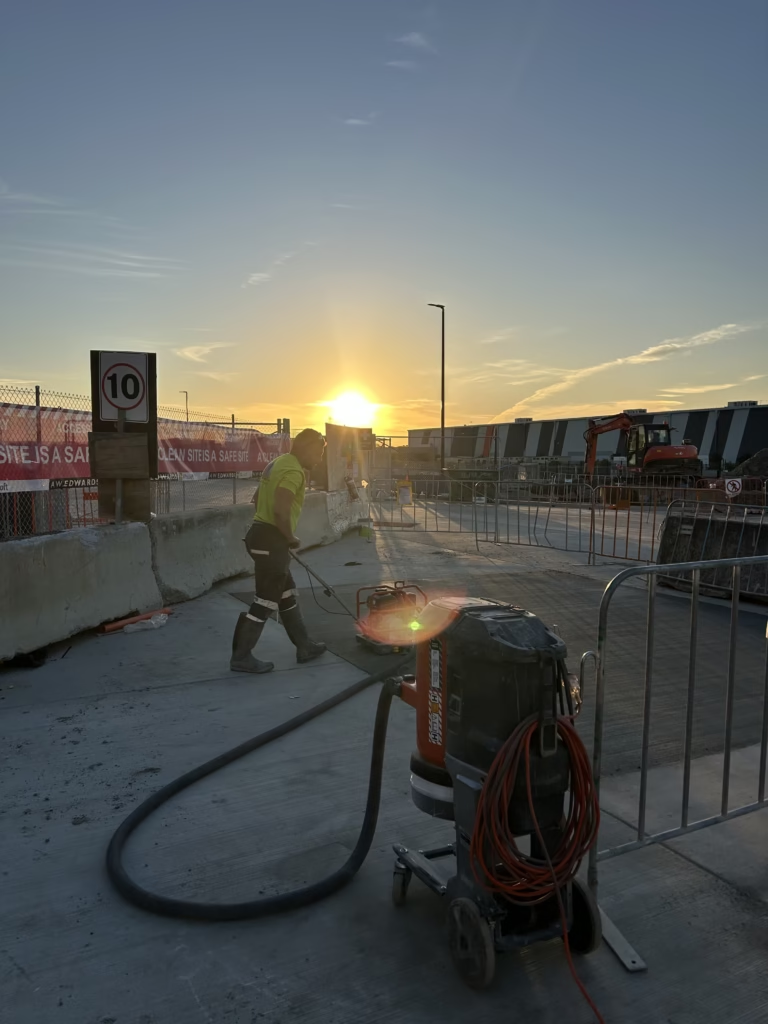
- Use a silica-rated HEPA vacuum.
- Ensure hoses and guards are sealed properly.
- Empty and maintain filters regularly.
- Follow Australian WHS requirements for silica dust control.
For most early-entry joint-cutting contractors, a good dust-extraction setup is becoming increasingly important, particularly on commercial and industrial projects where silica exposure management is closely monitored.
Why Use a Dust Vacuum?
When cutting concrete dry, the saw produces respirable crystalline silica dust, which is a serious health hazard.
A dust vacuum helps:
- Capture dust at the source
- Improve visibility of the cut line
- Reduce site cleanup
- Help comply with workplace health and safety requirements
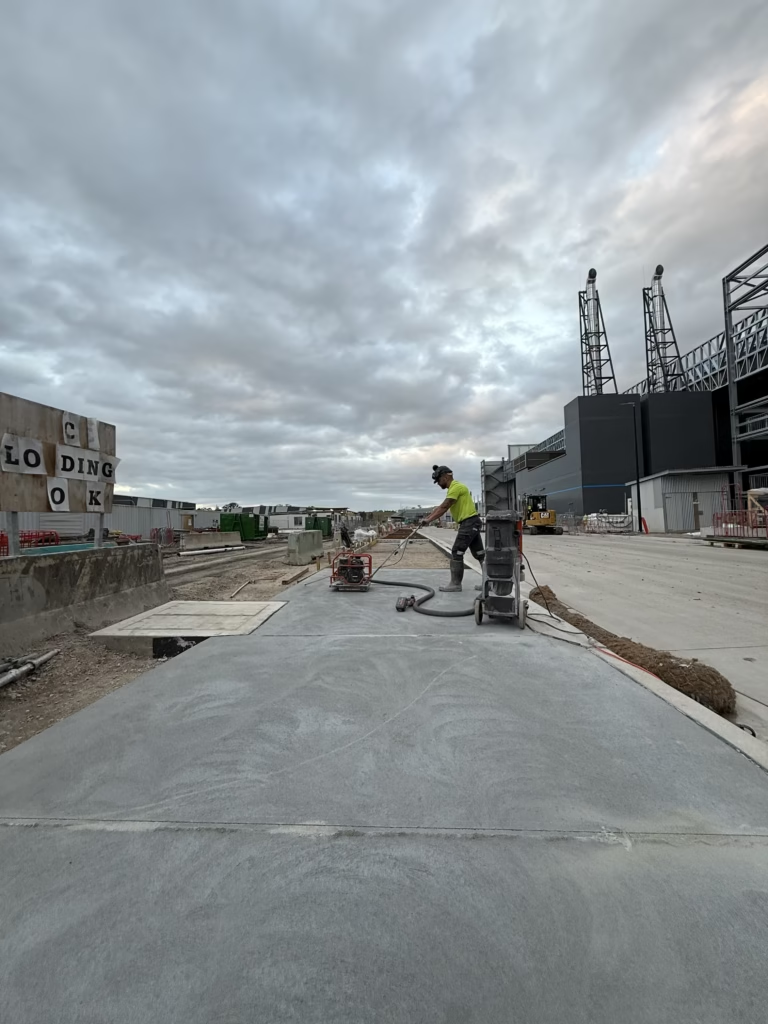
Common Equipment
The most common early-entry saws are from Husqvarna Construction under the Soff-Cut range.
Dust extraction is typically provided by:
- HEPA-filter industrial vacuums
- Silica-rated dust extractors
- Automatic filter-cleaning vacuum systems
When Dust Extraction Is Most Useful
Indoor Slab Work
- Warehouses
- Factories
- Shopping centres
- Basement slabs
Indoor Slab Work
- Warehouses
- Factories
- Shopping centres
- Basement slabs
Occupied Sites
- Renovations
- Operating commercial buildings
- Areas with nearby workers