
Core Drilling Sydney
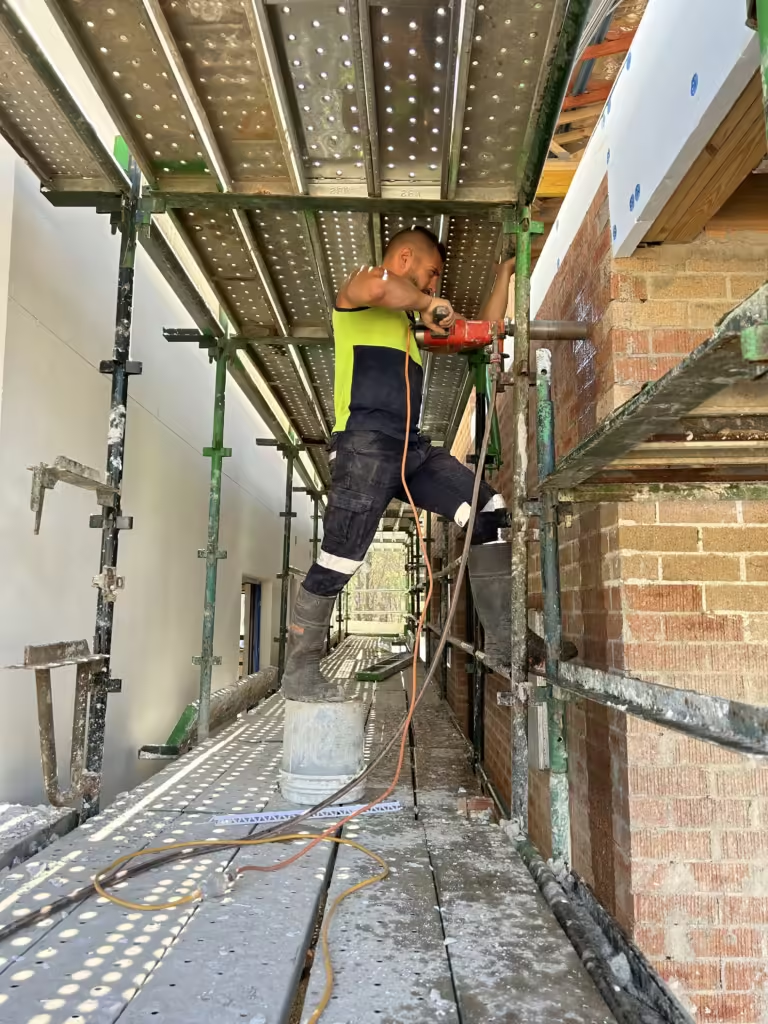
Core drilling sydney
Core drilling is one of the most common services in the concrete-cutting industry. It involves using a diamond-tipped hollow drill bit to create clean, precise circular holes through concrete, reinforced concrete, brick, block, stone, and asphalt.
How It Works
Instead of grinding away the entire hole like a conventional drill, a core drill cuts only the circumference of the hole, leaving a solid cylinder (the “core”) in the middle.
The removed cylinder is called the core sample.
Equipment Used
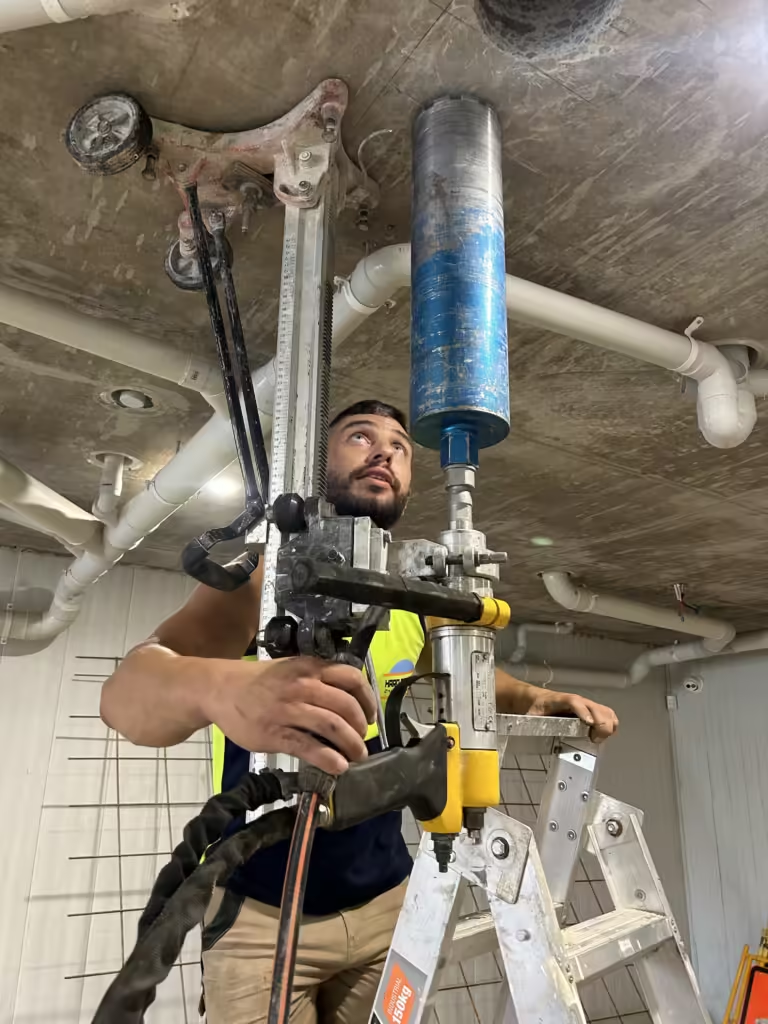
A typical setup consists of:
- Diamond core drill motor
- Drill stand (rig)
- Diamond core barrel
- Water supply for cooling and dust suppression
- Vacuum base or anchor fixing to secure the rig
Common Uses
Electrical Services
- Conduit penetrations
- Cable tray openings
- Switchboard and communications services
Plumbing & Hydraulic Services
- Water pipes
- Sewer pipes
- Fire services
- Drainage penetrations
HVAC Installations
- Air-conditioning pipework
- Ventilation ducts
- Exhaust systems
Construction & Structural Work
- Starter bars and dowels
- Anchor installations
- Testing concrete strength (core samples)
- Creating access holes for wire sawing
Types of Core Drilling
Hand-Held Core Drilling
- Smaller holes
- Faster setup
- Usually up to around 100–150 mm diameter
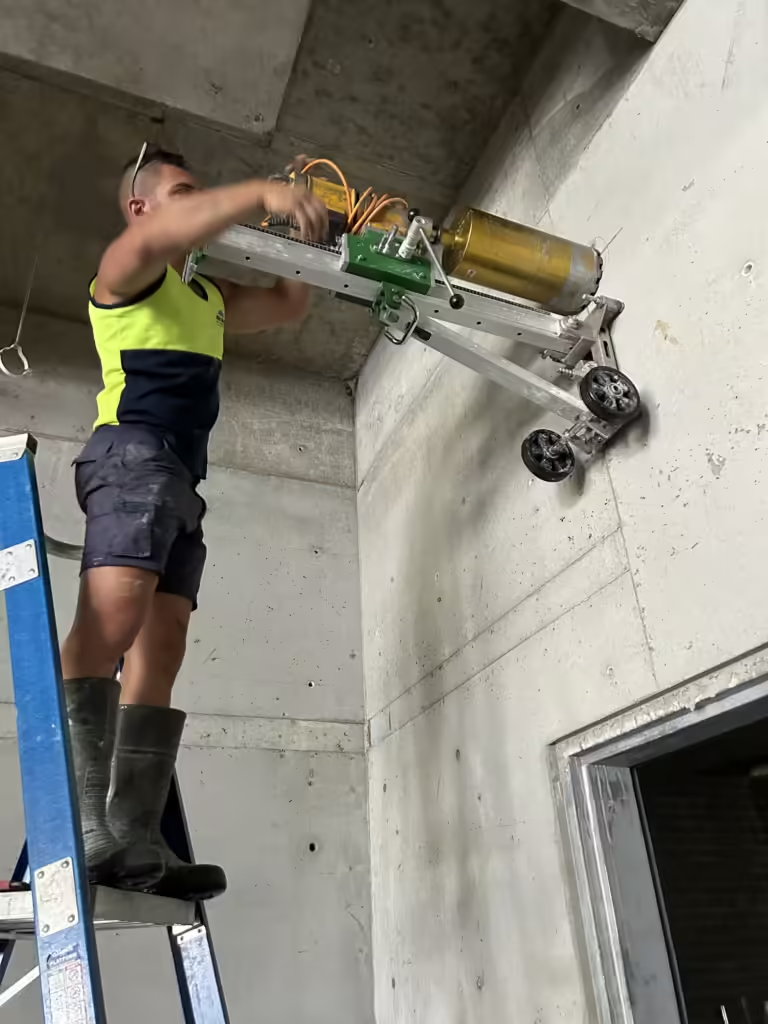
Rig-Mounted Core Drilling
- Larger holes
- More accurate
- Can drill very large diameters and deep holes
Why Core Drilling Is Popular
✅ Accurate, clean holes
✅ Low vibration
✅ Cuts reinforced concrete and steel reinforcement
✅ Minimal damage to surrounding concrete
✅ Less dust when water-cooled
✅ Fast compared with breaking or chipping
Example on a Bridge Project
If you’re working on a bridge:
- Core drilling might be used to create 100–200 mm holes for anchors, dowels, or utilities.
- It can also create access holes to thread a diamond wire through a pier or deck section.
- Wall sawing would then cut the perimeter of a rectangular opening.
- Wire sawing would be used if the concrete is extremely thick or the section is too large for a wall saw.
Together, core drilling, wall sawing, and wire sawing are the three main precision concrete-cutting methods used on commercial and infrastructure projects.
Core Drilling Rig Types
There are several types of core drilling rigs used in concrete cutting, ranging from small handheld units to large hydraulic rigs for major infrastructure projects.
Handheld Core Drills
Best for: Small holes and quick jobs
- Typically 12–150 mm diameter holes
- Portable and lightweight
- Used for electrical conduits, anchors, and small plumbing penetrations
- Can be used wet or dry depending on the material
Popular brands include:
Rig-Mounted Electric Core Drills
Best for: Most commercial concrete cutting work
- Typically 50–600 mm diameter holes
- Mounted to a drill stand for accuracy
- Suitable for walls, floors, and ceilings
- Most common setup used by concrete cutters
Examples:
- Husqvarna DM series
- Hilti DD series
- Tyrolit DME series
Hydraulic Core Drills
Best for: Heavy-duty and infrastructure work
- More powerful than electric units
- Can operate in wet and harsh environments
- Often used on bridges, tunnels, and marine structures
- Excellent for large-diameter holes
Vacuum-Mounted Rigs
Best for: Jobs where anchors can’t be used
- Rig is secured by a vacuum base
- Common on finished floors and sensitive surfaces
- Faster setup and less damage
Anchor-Mounted Rigs
Best for: Maximum stability
- Secured with a mechanical anchor into the concrete
- Preferred for large-diameter holes and overhead drilling
- Most secure mounting method
Track-Mounted or Specialty Rigs
Best for: Large infrastructure projects
- Mounted to rails or custom frames
- Used for repetitive drilling patterns
- Common on bridges, dams, tunnels, and mining projects
Power Sources
Core drills are mainly categorized by their power source. Each type has advantages depending on the size of the hole, location, and type of project.
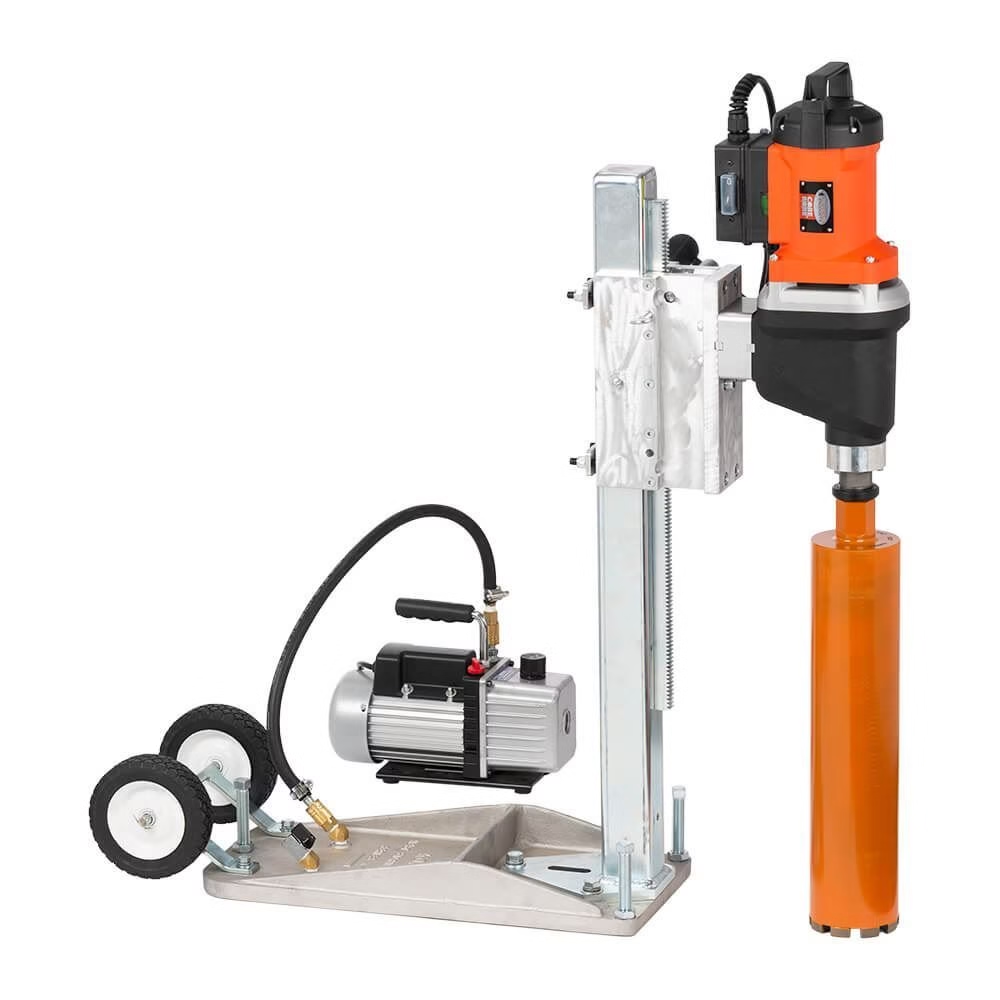
Electric Core Drills
The most common type in the concrete-cutting industry.
Advantages:
- Readily available power on most sites
- Relatively lightweight
- Lower maintenance
- Suitable for most residential and commercial work
Typical use:
- Service penetrations
- Plumbing and electrical holes
- Anchor installations
- General concrete cutting
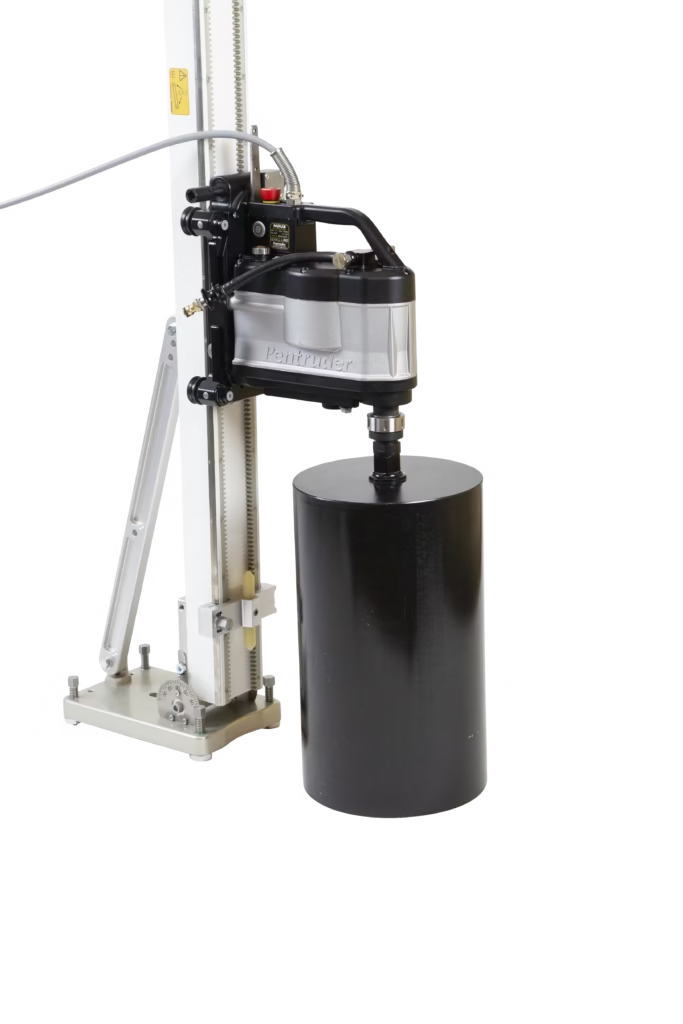
High-Frequency (HF) Core Drills
A more advanced electric system that uses a frequency converter.
Advantages:
- More power for their size
- Lighter drill motors
- Excellent performance on large holes
- Common in professional concrete-cutting fleets
Typical use:
- Commercial buildings
- Bridge and infrastructure projects
- High-volume drilling operations
Hydraulic Core Drills
Powered by a hydraulic power pack.
Advantages:
- Extremely high torque
- Reliable in harsh conditions
- No electric motor at the drill head
- Excellent for large-diameter holes
Typical use:
- Bridges
- Tunnels
- Marine structures
- Heavy civil construction
Petrol (Gasoline) Core Drills
Less common today but still used where power is unavailable.
Advantages:
- Completely portable
- No generator or mains power required
Disadvantages:
- Exhaust fumes
- More noise
- Usually restricted indoors
Typical use:
- Remote locations
- Roadworks
- Civil construction sites
Battery-Powered Core Drills
A newer technology that has improved significantly.
Advantages:
- No cords
- Fast setup
- Good for smaller holes
Disadvantages:
- Limited runtime
- Less suitable for large-diameter drilling
Typical use:
- Small penetrations
- Anchor holes
- Fit-out work
Typical underwater core drilling applications
Core drilling can be performed underwater. It is a specialized technique used in marine construction, bridge work, dams, ports, offshore structures, and water-retaining infrastructure.
Bridge piers and marine structures
Installing anchors, dowels, or post-installed reinforcement.
Dams and spillways
Creating holes for instrumentation, drainage, or repair works.
Wharves, jetties, and ports
Utility penetrations and structural modifications.
Offshore platforms and underwater foundations
Sampling, anchoring, and repair operations.
Hydraulic core drills are frequently used underwater.
This is because the power unit can remain out of the water while hydraulic hoses feed the drill motor, reducing electrical hazards and improving reliability in wet environments.
Limitations
- Drilling depth and diameter are limited by rig stability, diver access, and equipment capacity.
- Strong currents, wave action, and poor visibility can significantly slow production.
- Special environmental controls may be required to contain slurry or protect waterways.
Practical example
A contractor repairing a bridge pier might need a 150 mm diameter hole drilled 300 mm deep to install new anchor bars. Divers would secure a hydraulic core drill to the pier, complete the cut underwater, clean the hole, and then install the anchoring system.