Concrete Floor & Wall Chasing
Concrete chasing (also called wall chasing or concrete grooving) is the process of cutting narrow channels (chases) into concrete, brick, blockwork, or masonry so services can be installed and concealed within the wall, floor, or slab.
What Is Concrete Chasing Used For?
Electrical Work
- Conduits
- Power cables
- Data and communications cabling
- Switch and outlet runs
Plumbing
- Small water pipes
- Drainage lines
- Gas pipe installations (where permitted)
Air Conditioning
- Refrigeration pipework
- Condensate drains
- Control cables
Renovations and Fit-Outs
- Hiding services within walls
- Avoiding surface-mounted conduits and pipes
How is it done?
Typically, two parallel cuts are made using:
- A wall chaser
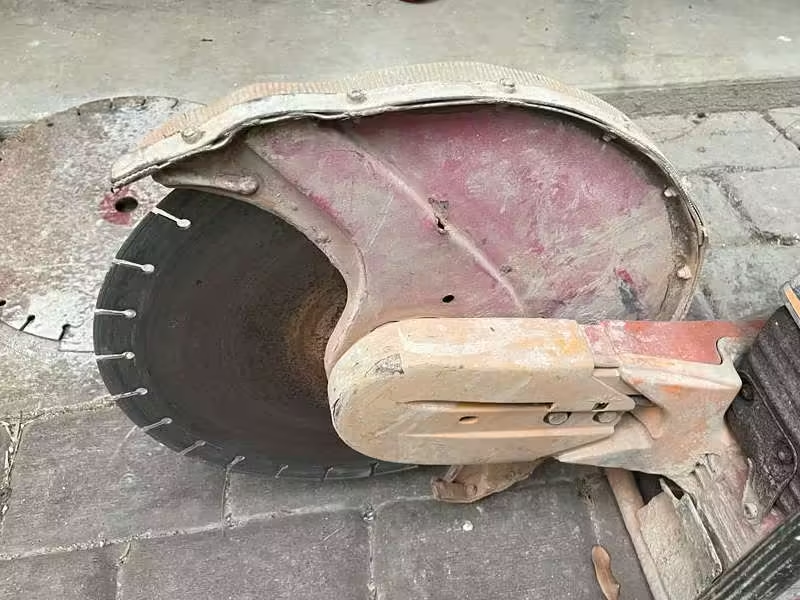
- Handheld diamond saw
- Small floor saw (for slabs)
The material between the cuts is then removed with:
- Hammer drill
- Small jackhammer
- Chisel
This leaves a neat channel for the service installation.
Common Equipment
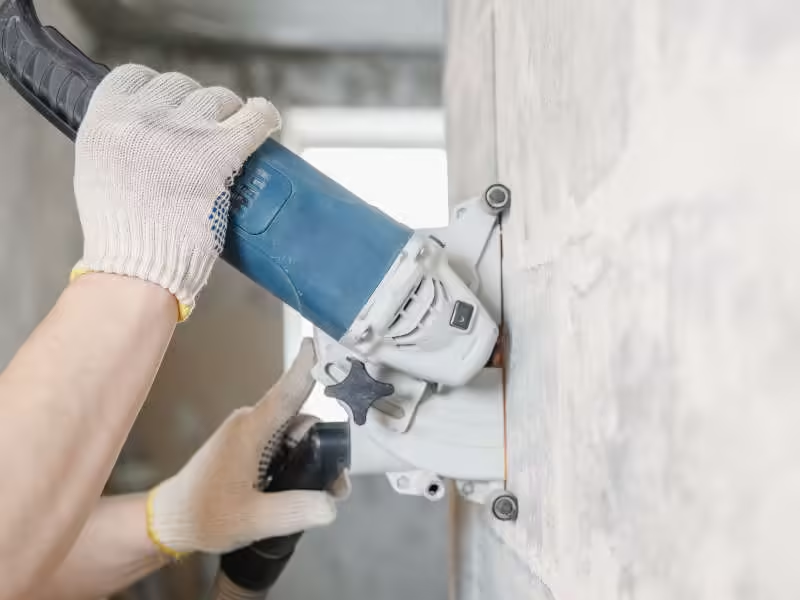
Wall Chasers: Purpose-built machines with twin diamond blades that cut two parallel grooves at once.
Handheld Concrete Saws: Used for deeper or wider chases.
Vacuum Systems: Often connected directly to the chaser to control silica dust.
Difference Between Chasing and Other Concrete Cutting
Method | Purpose |
Core drilling | Round holes |
Wall sawing | Large openings |
Road sawing | Slab and pavement cuts |
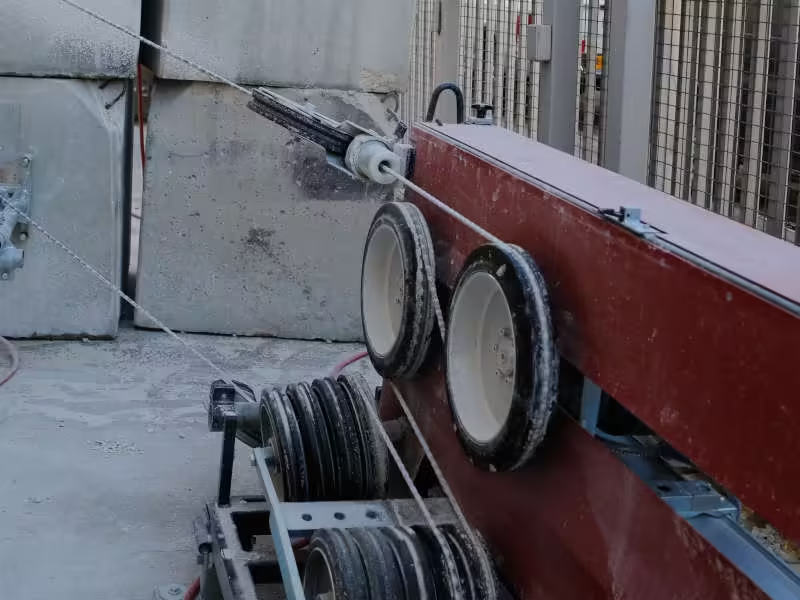
Wire sawing | Very thick concrete |
Chasing | Narrow channels for services |
Example
An electrician installing new power points in a concrete apartment wall might:
- Use a wall chaser to cut two parallel 30 mm-deep grooves.
- Remove the concrete between them.
- Install conduit and wiring.
- Have the chase patched and finished flush with the wall.
In the concrete-cutting industry, chasing is generally a smaller, precision service compared with core drilling, wall sawing, and wire sawing, but it’s a common part of renovation and fit-out projects.