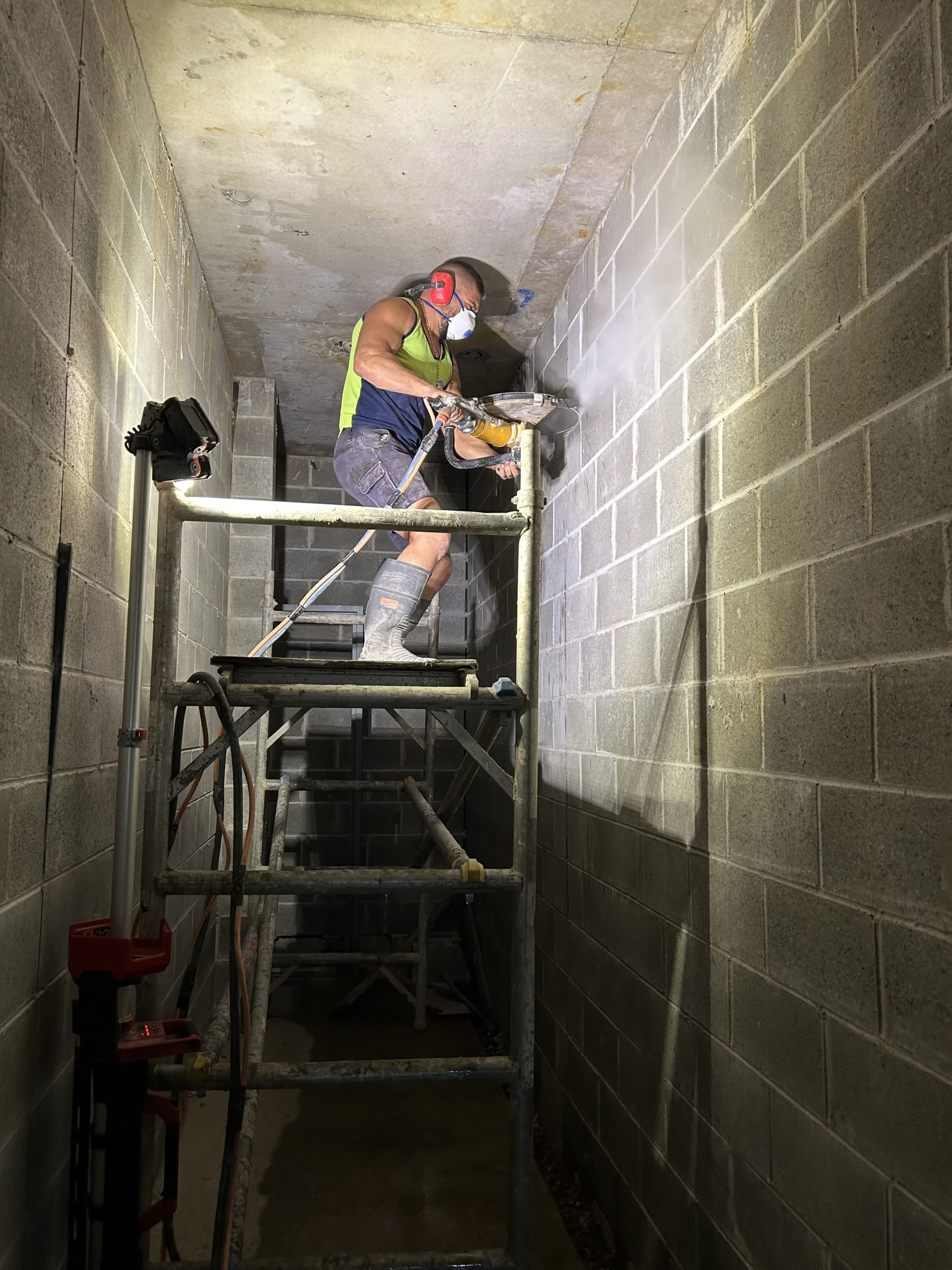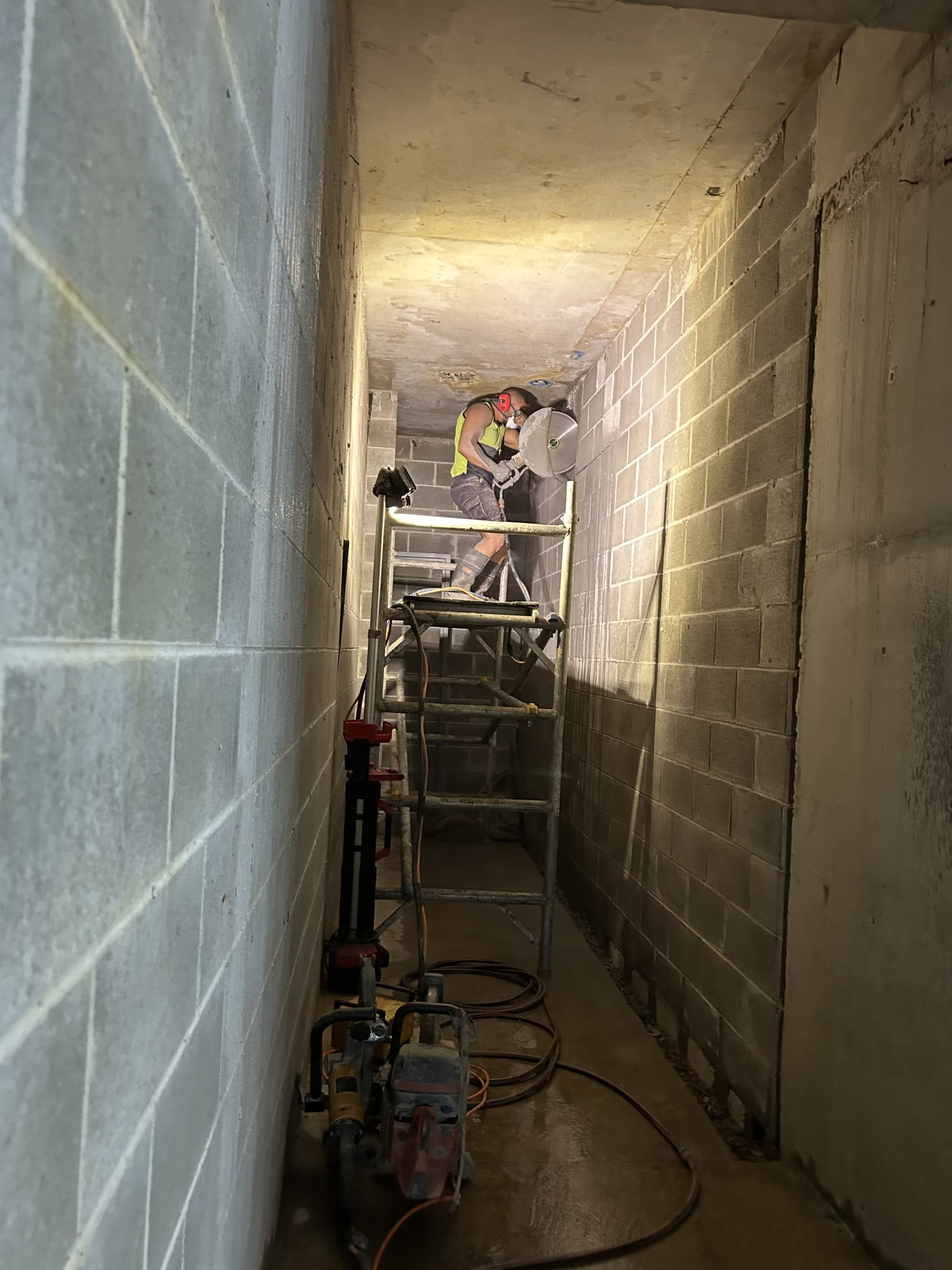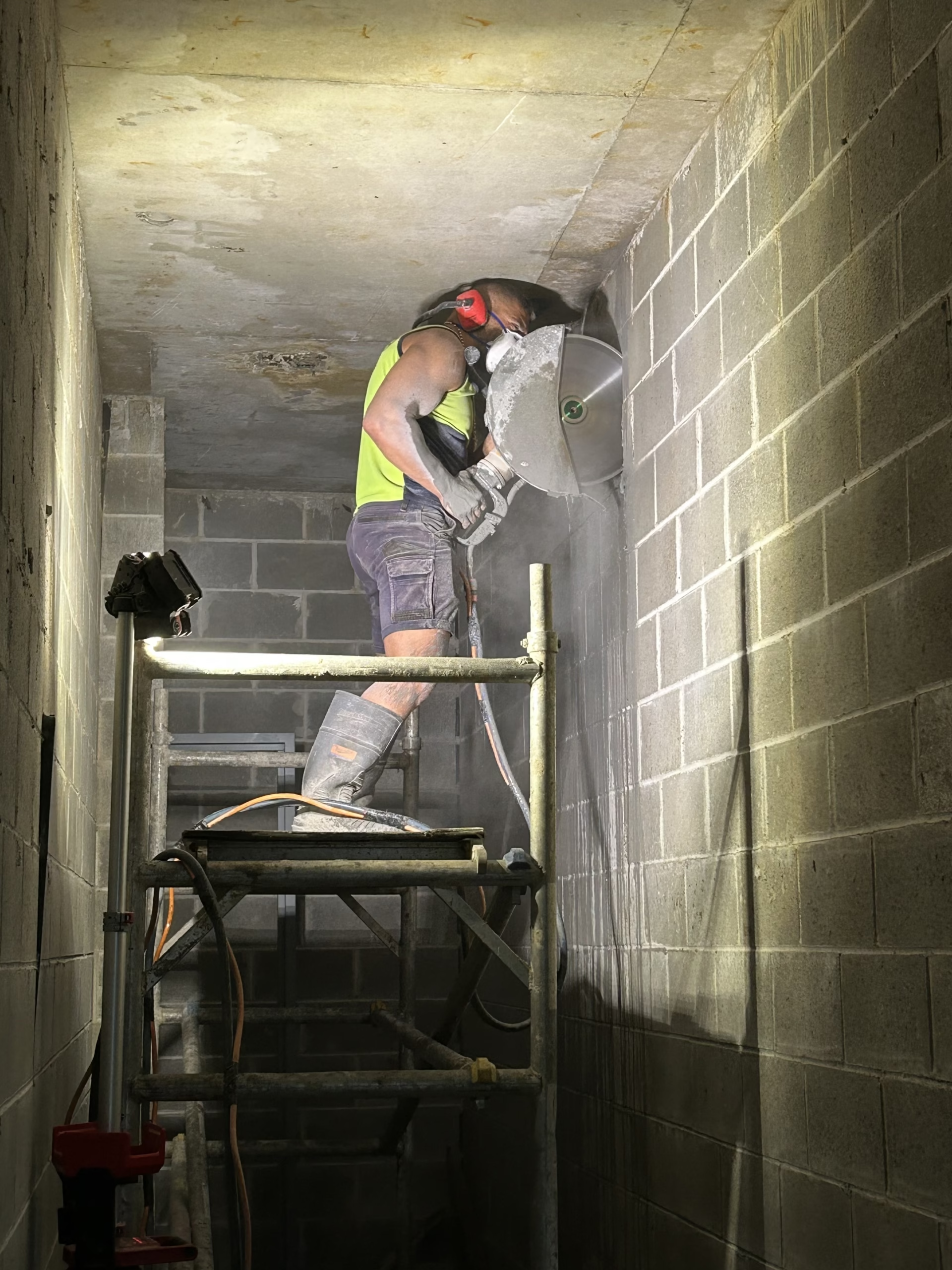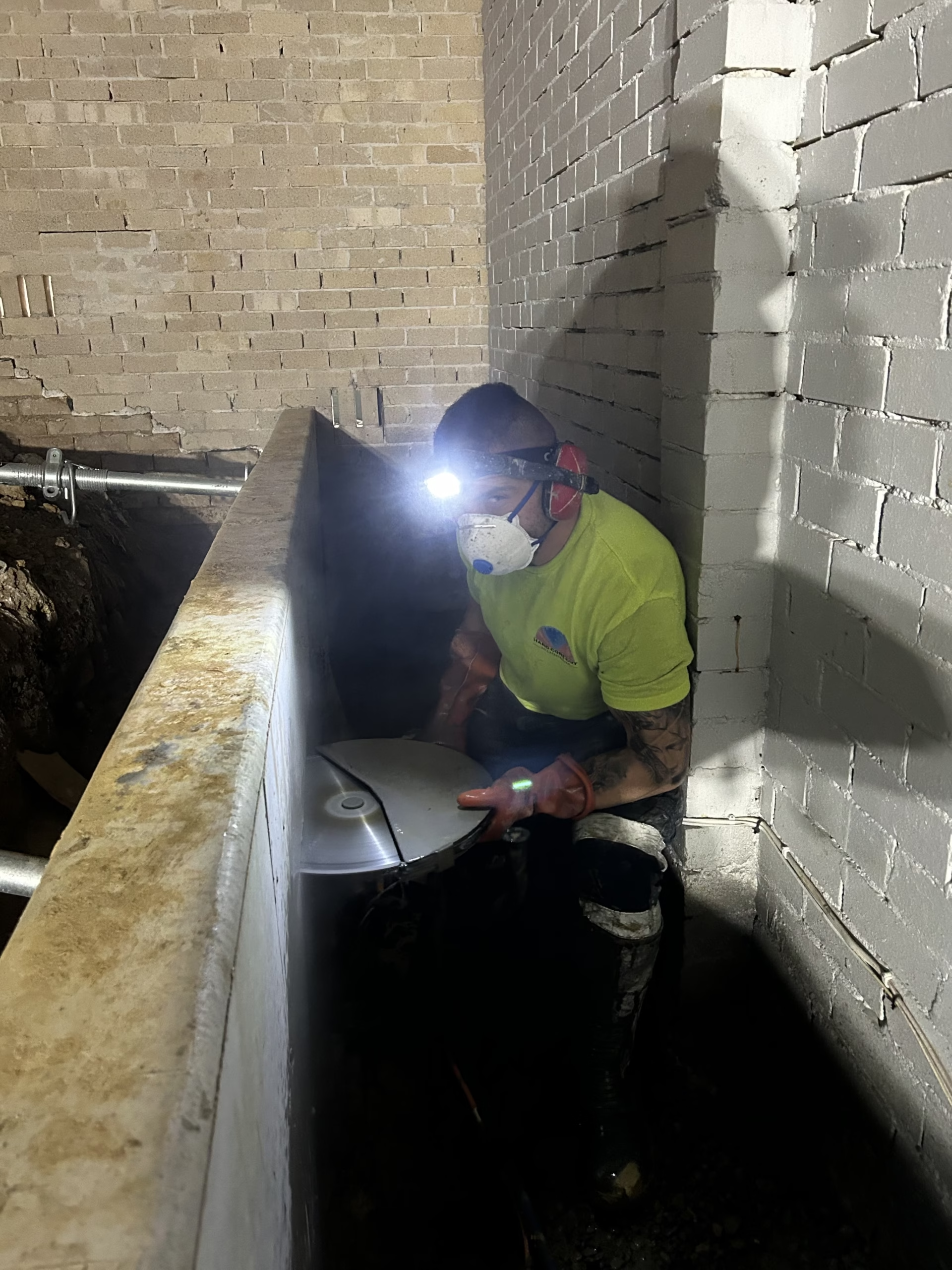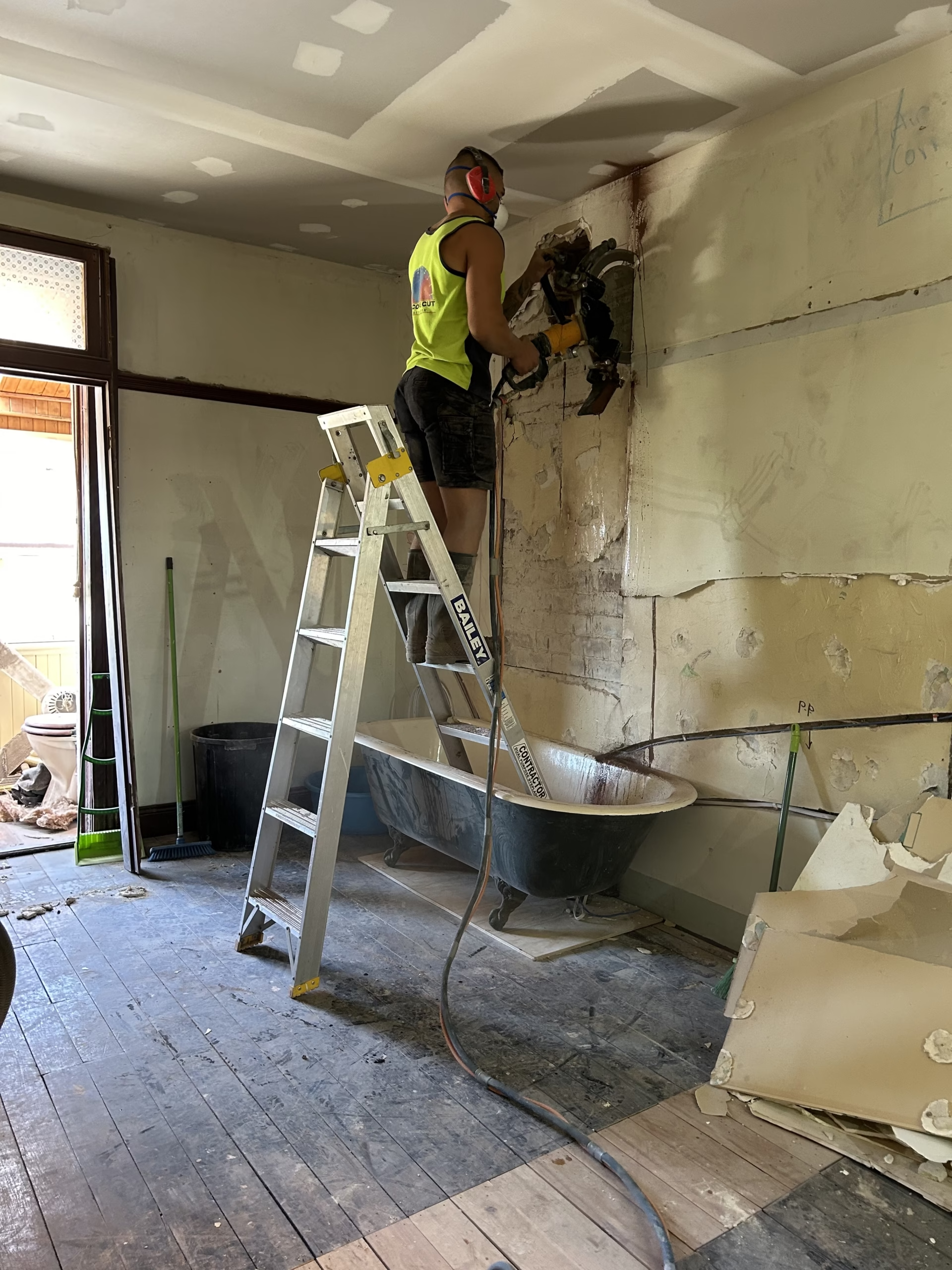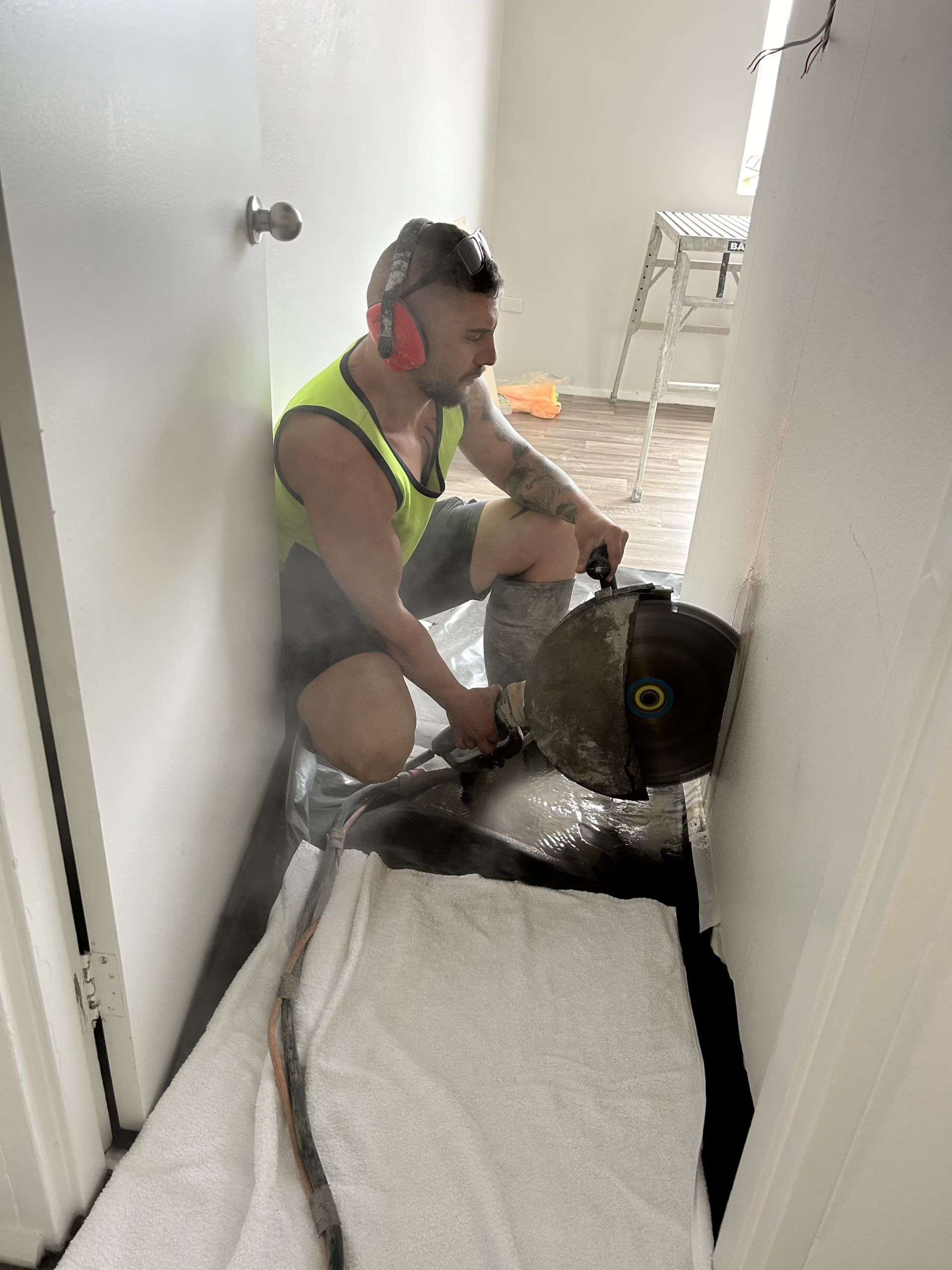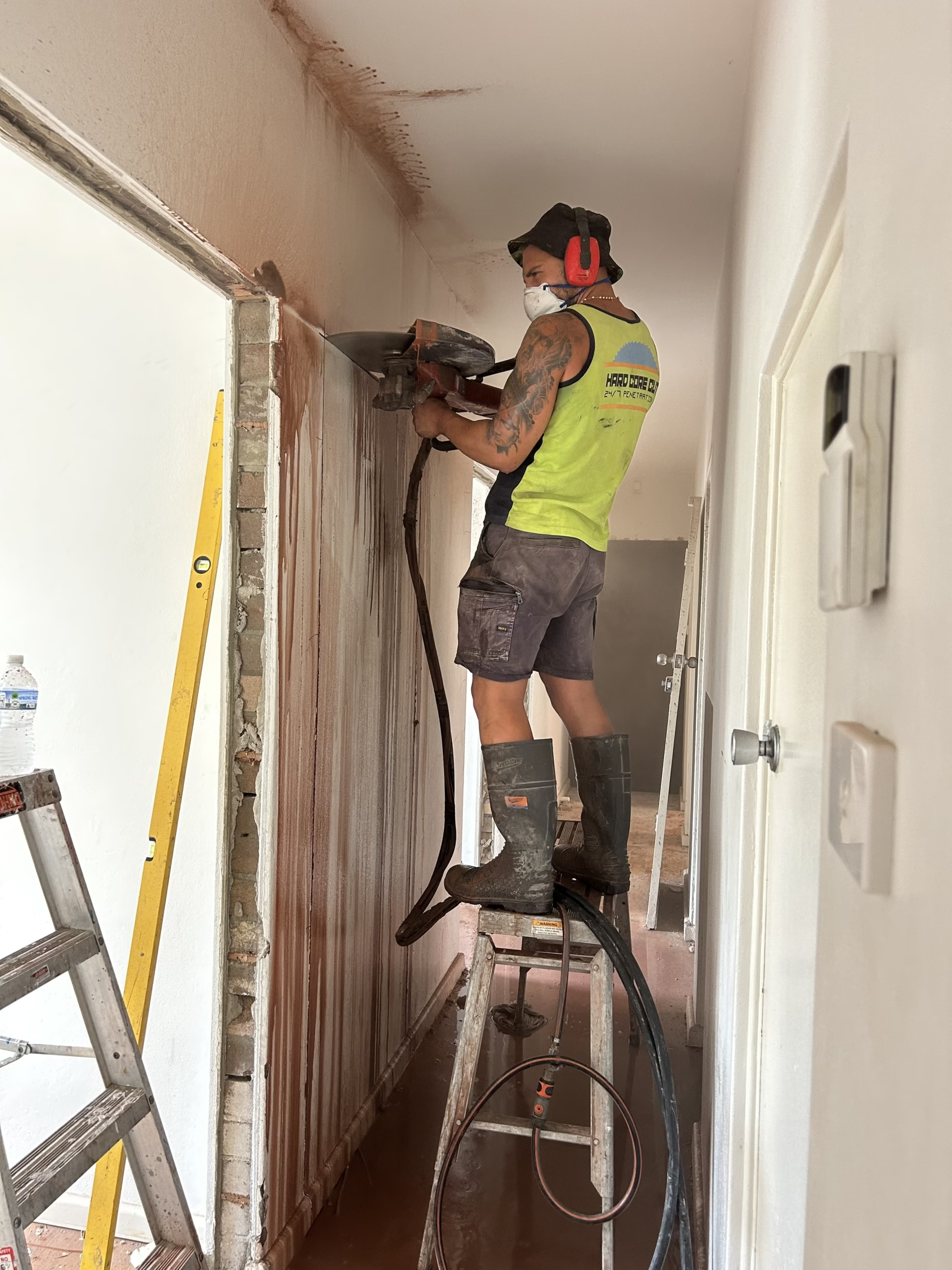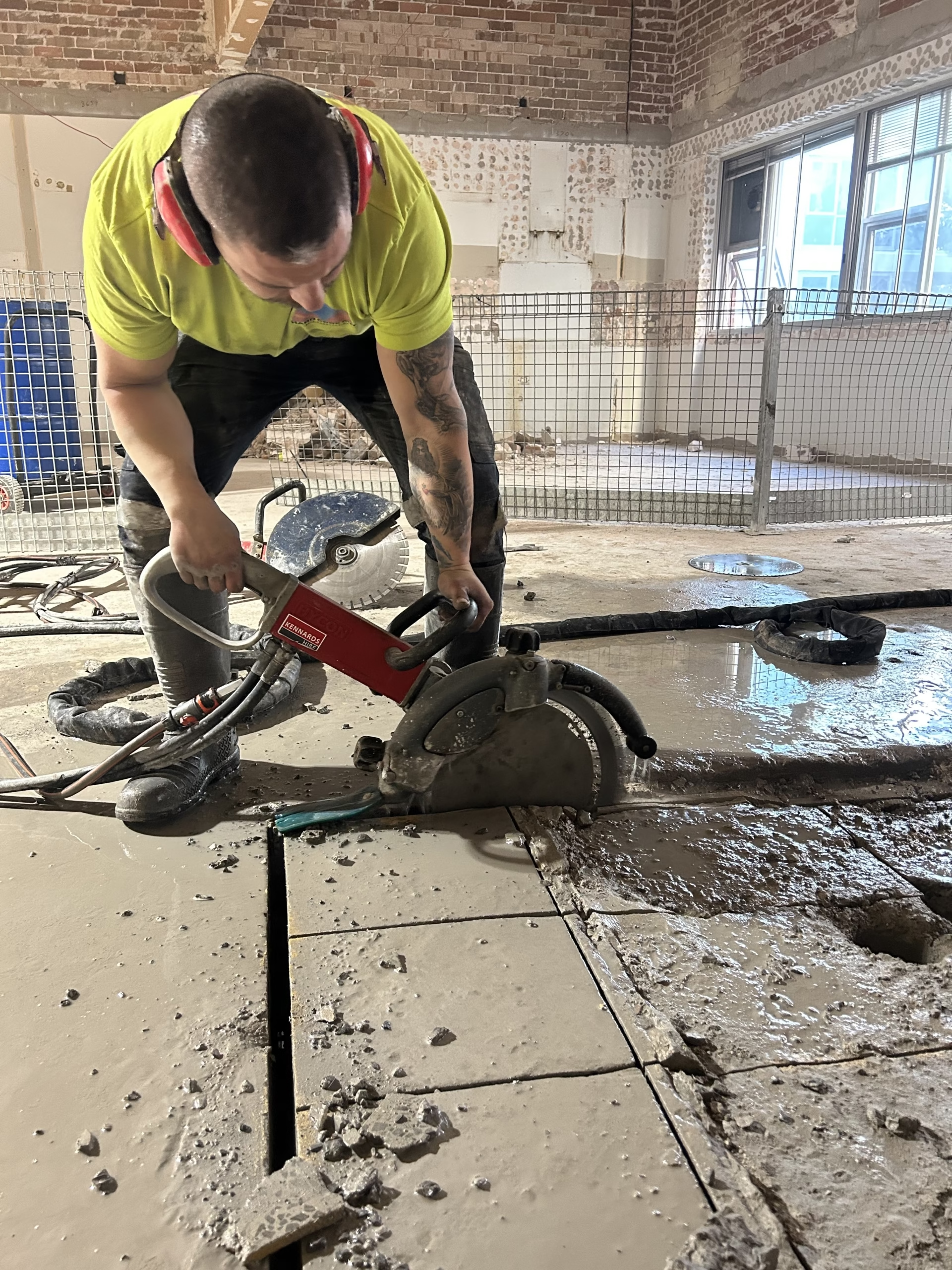
Concrete Hand Sawing
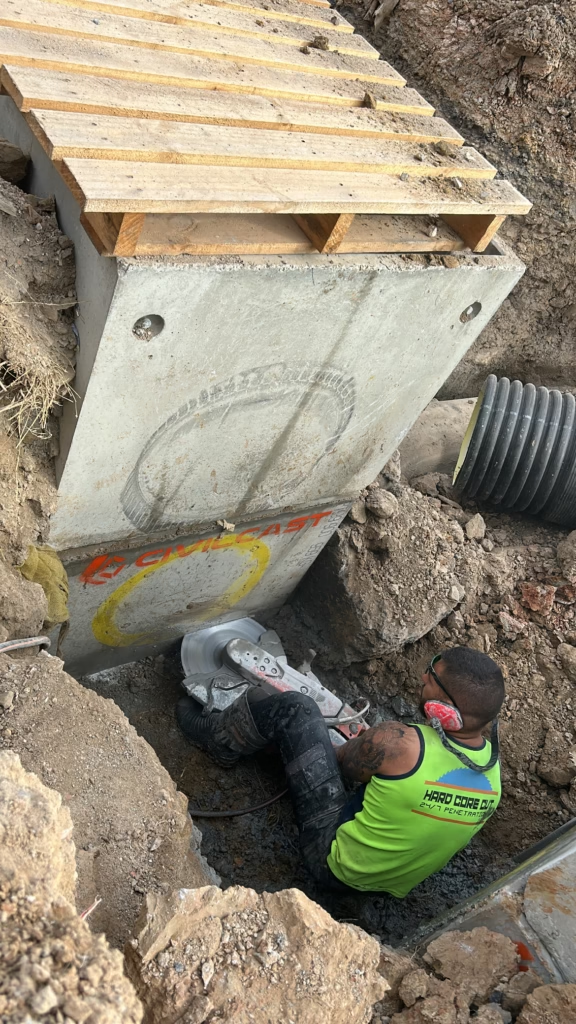
Concrete hand sawing experts in sydney
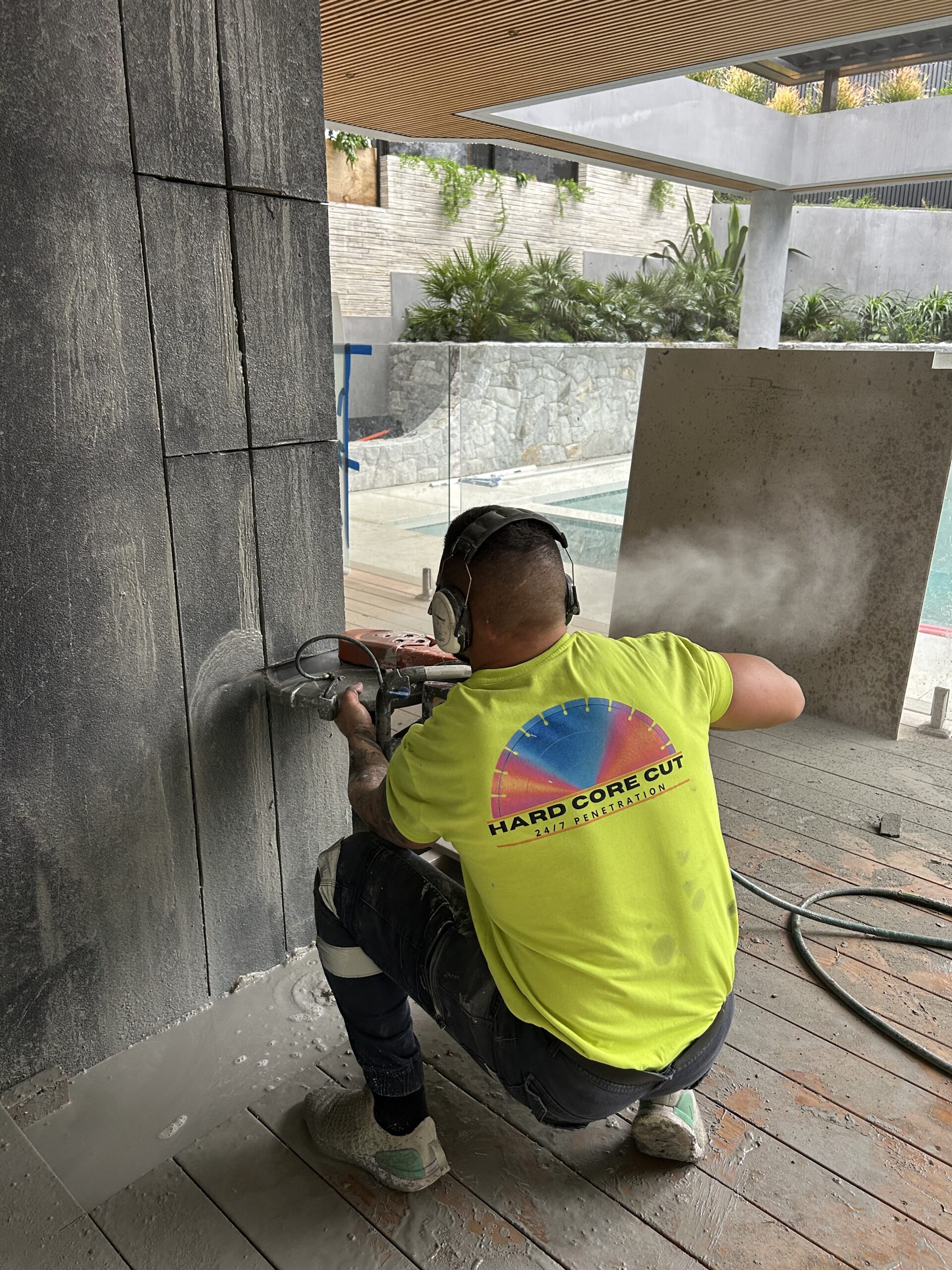
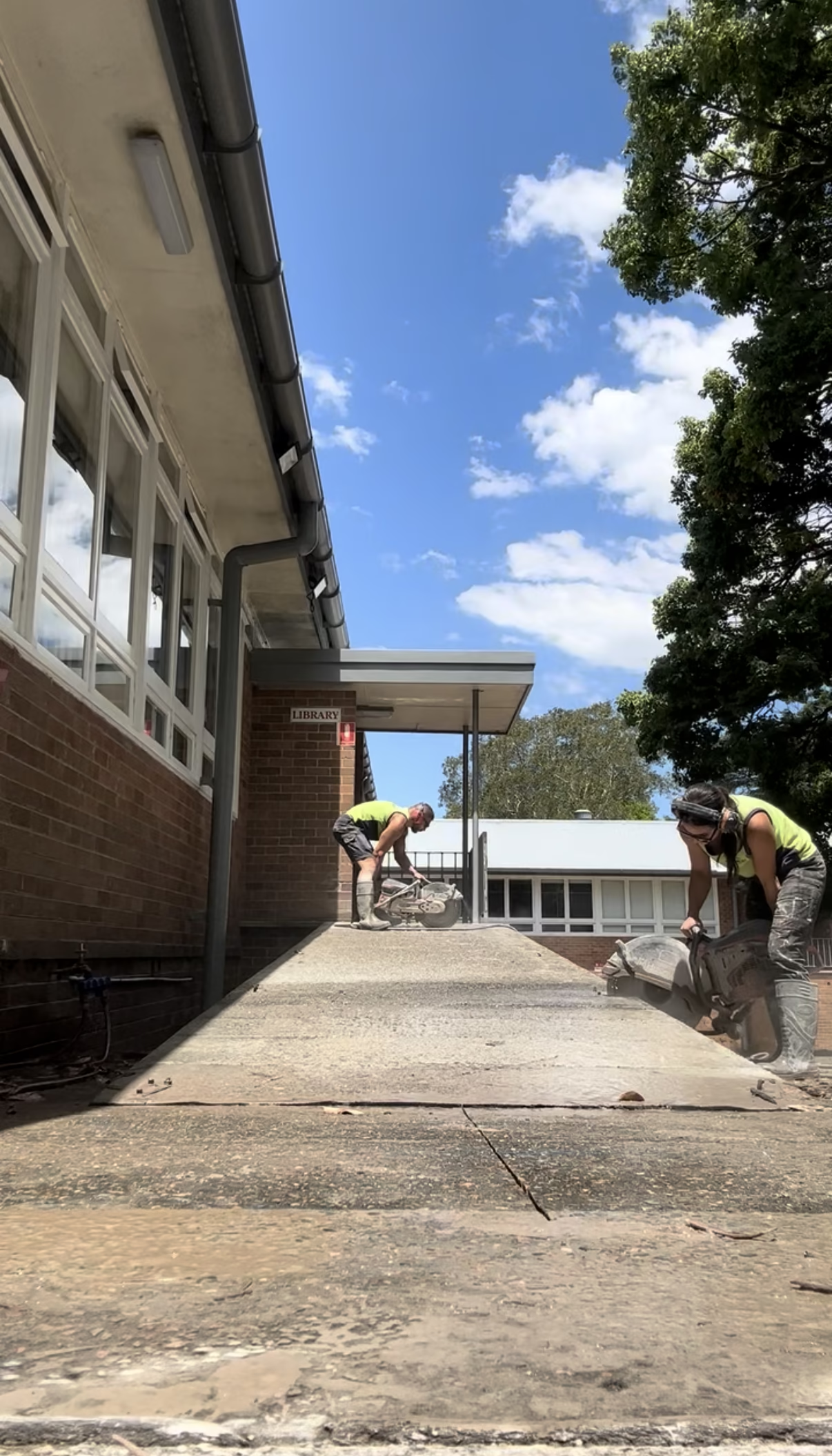
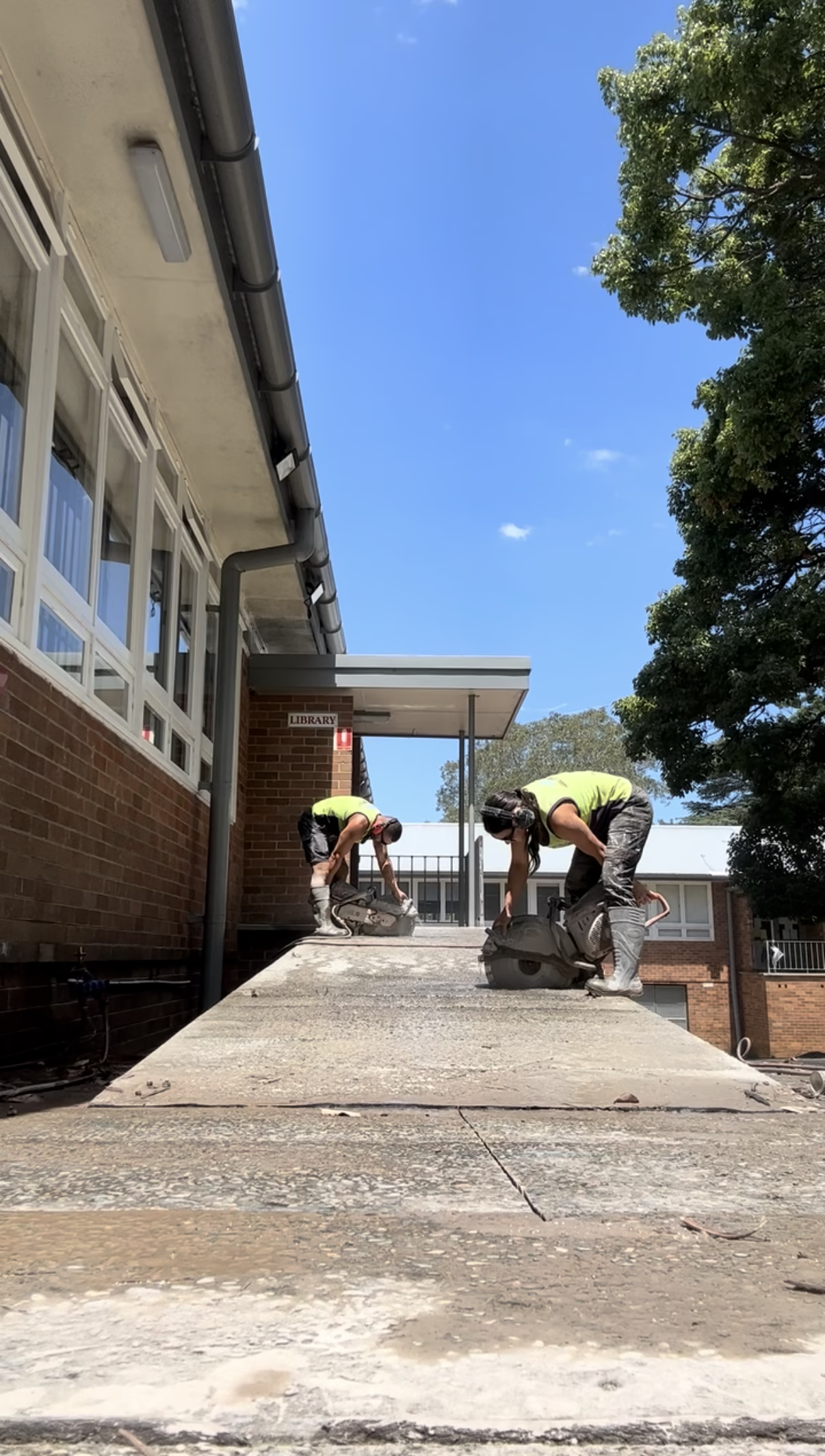
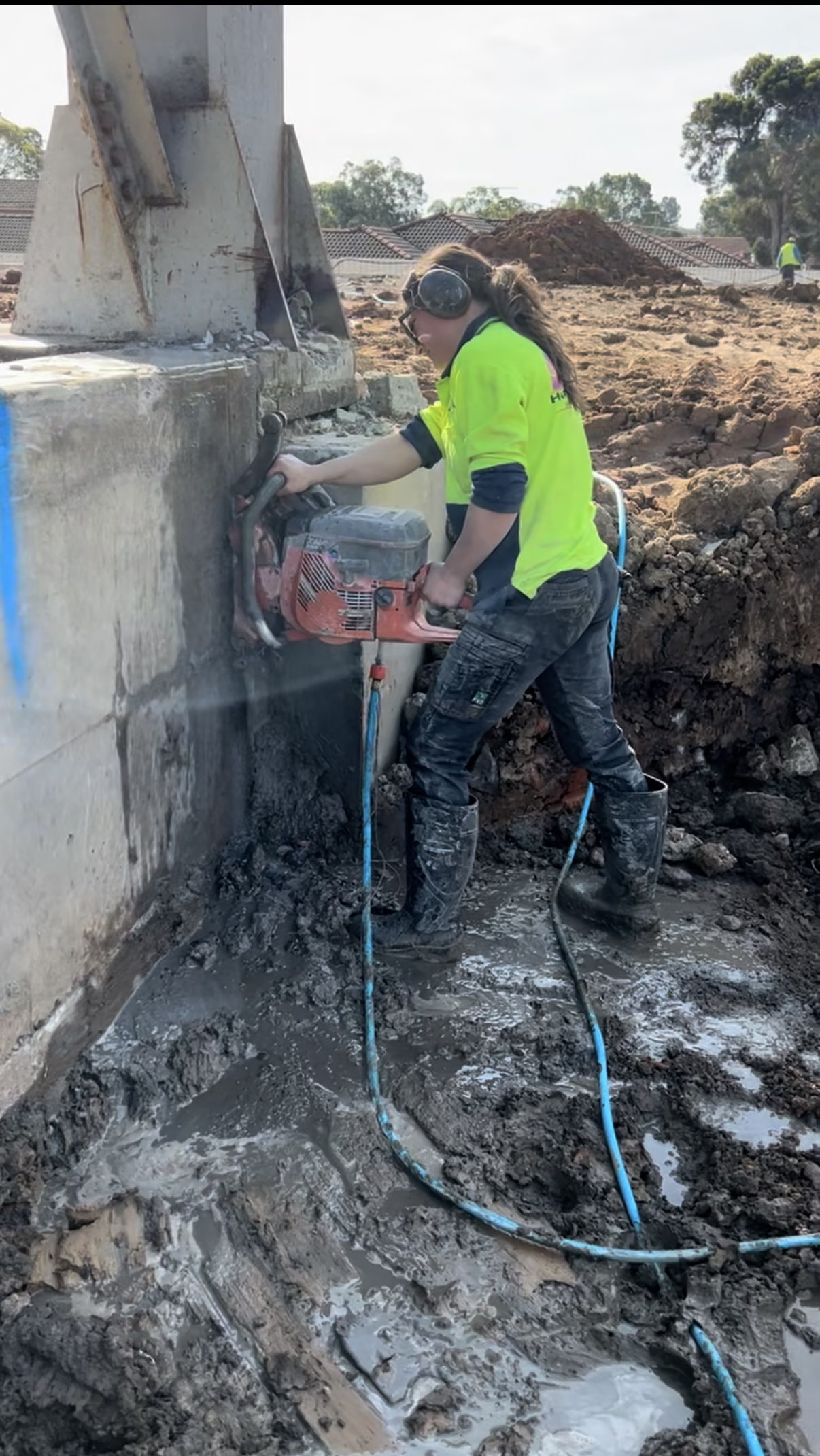
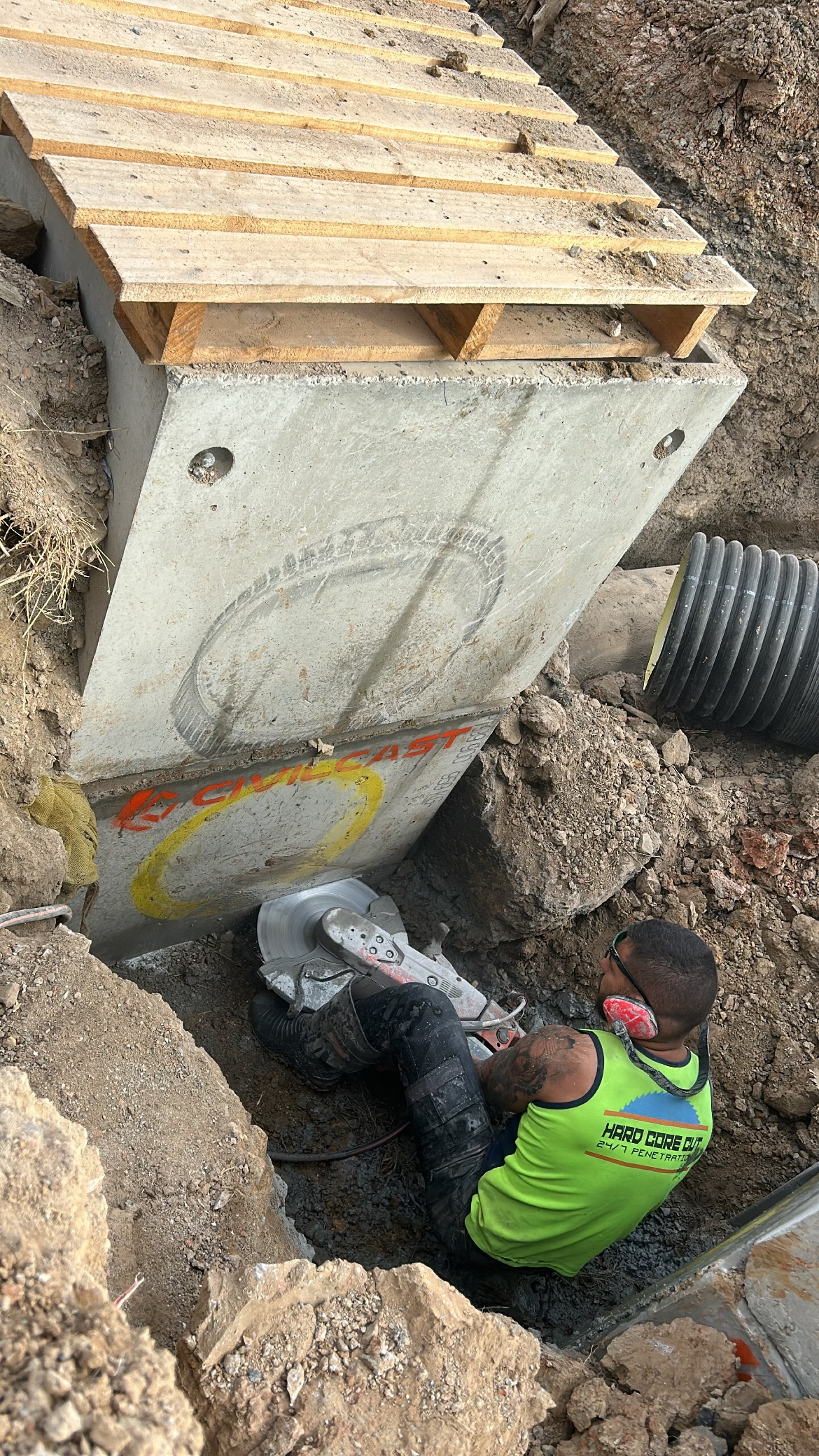
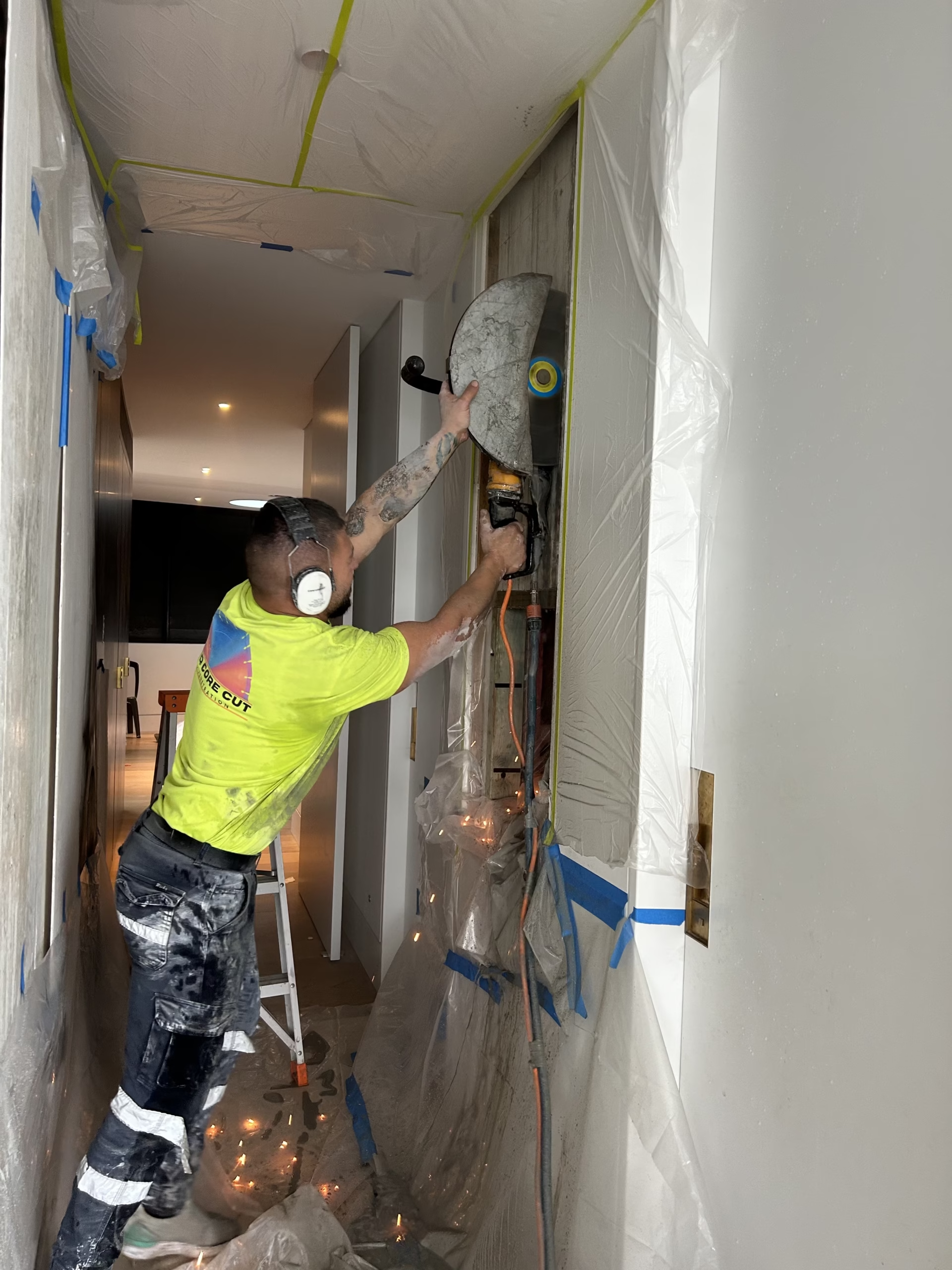
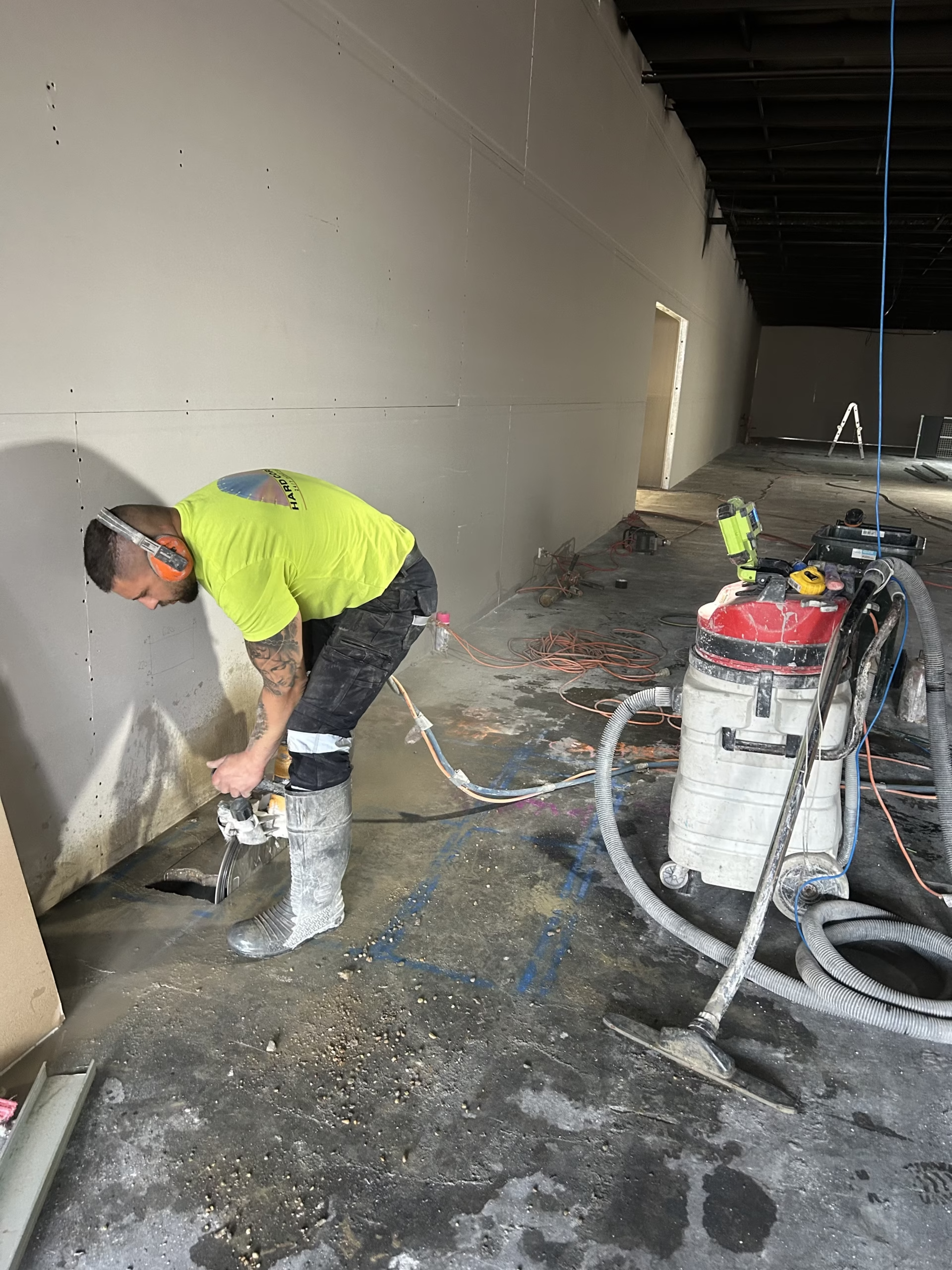
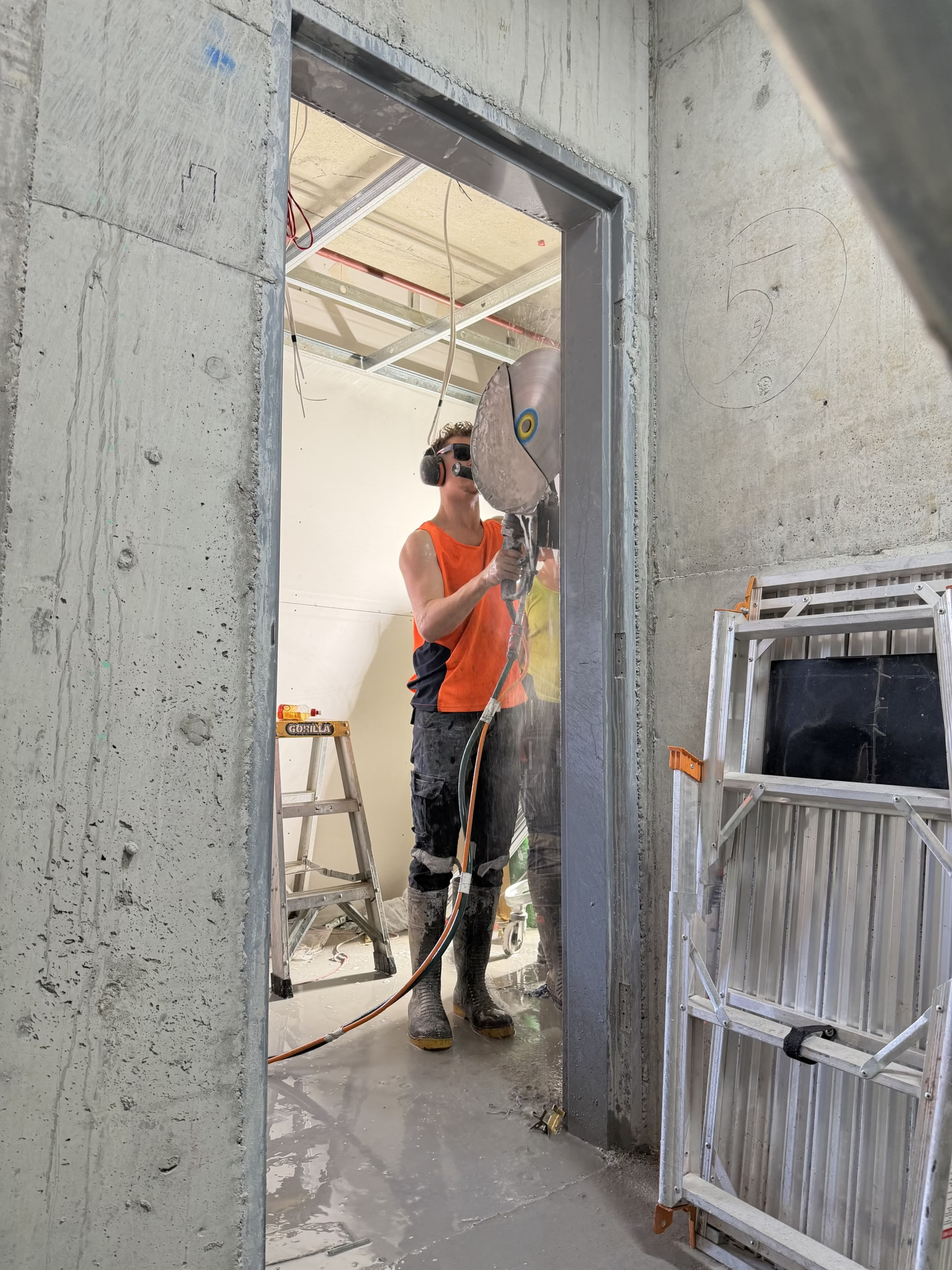
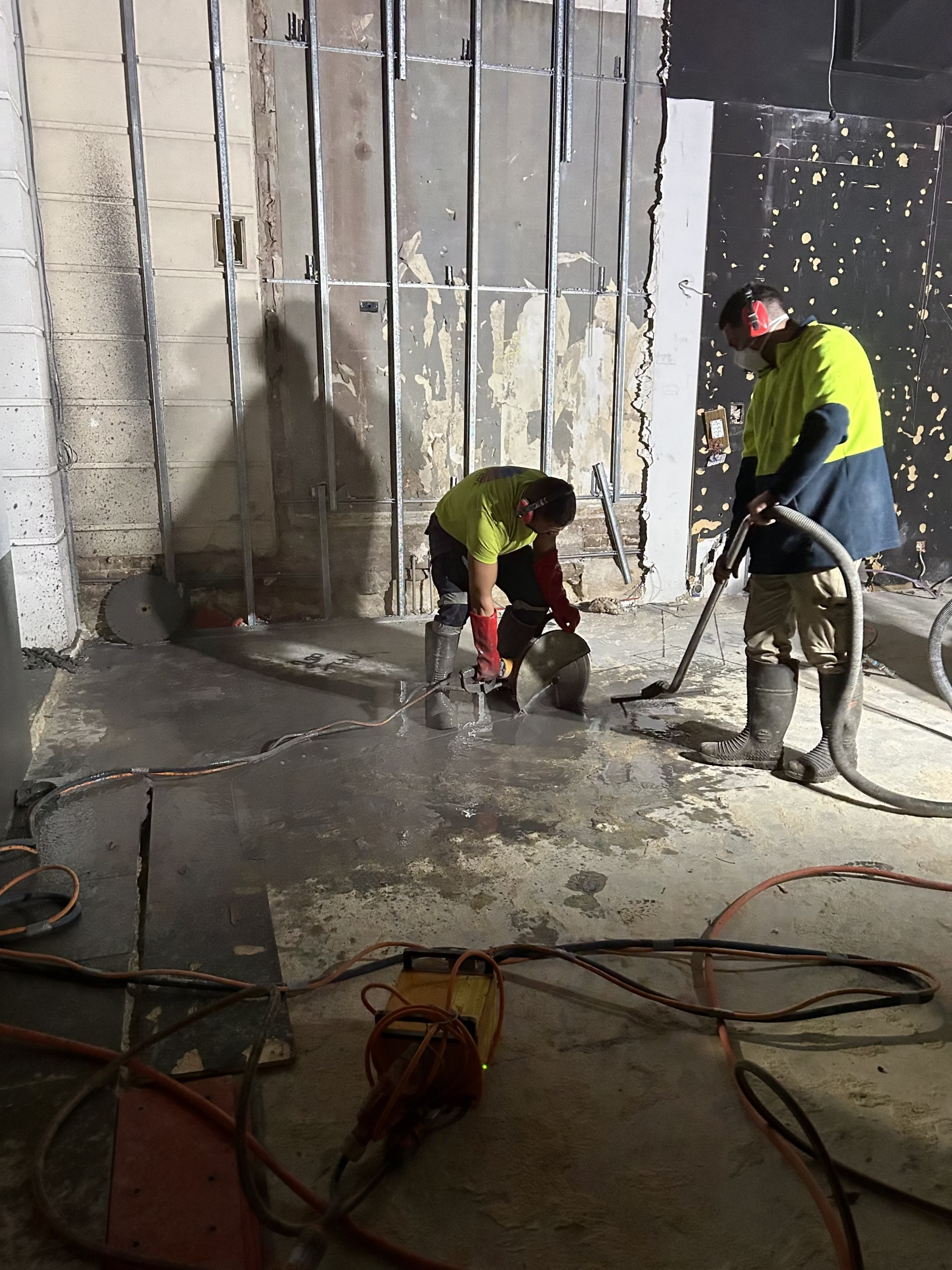
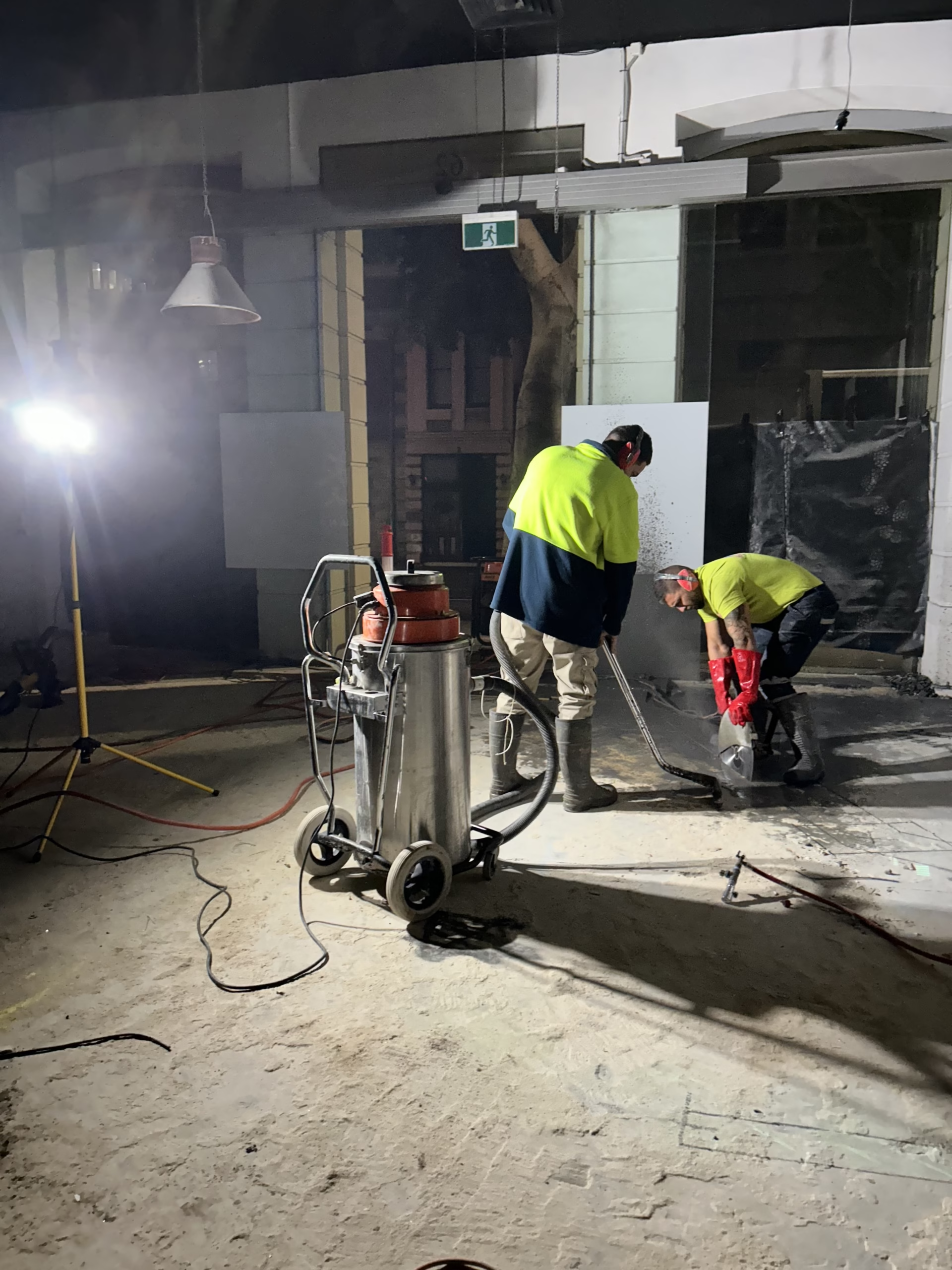
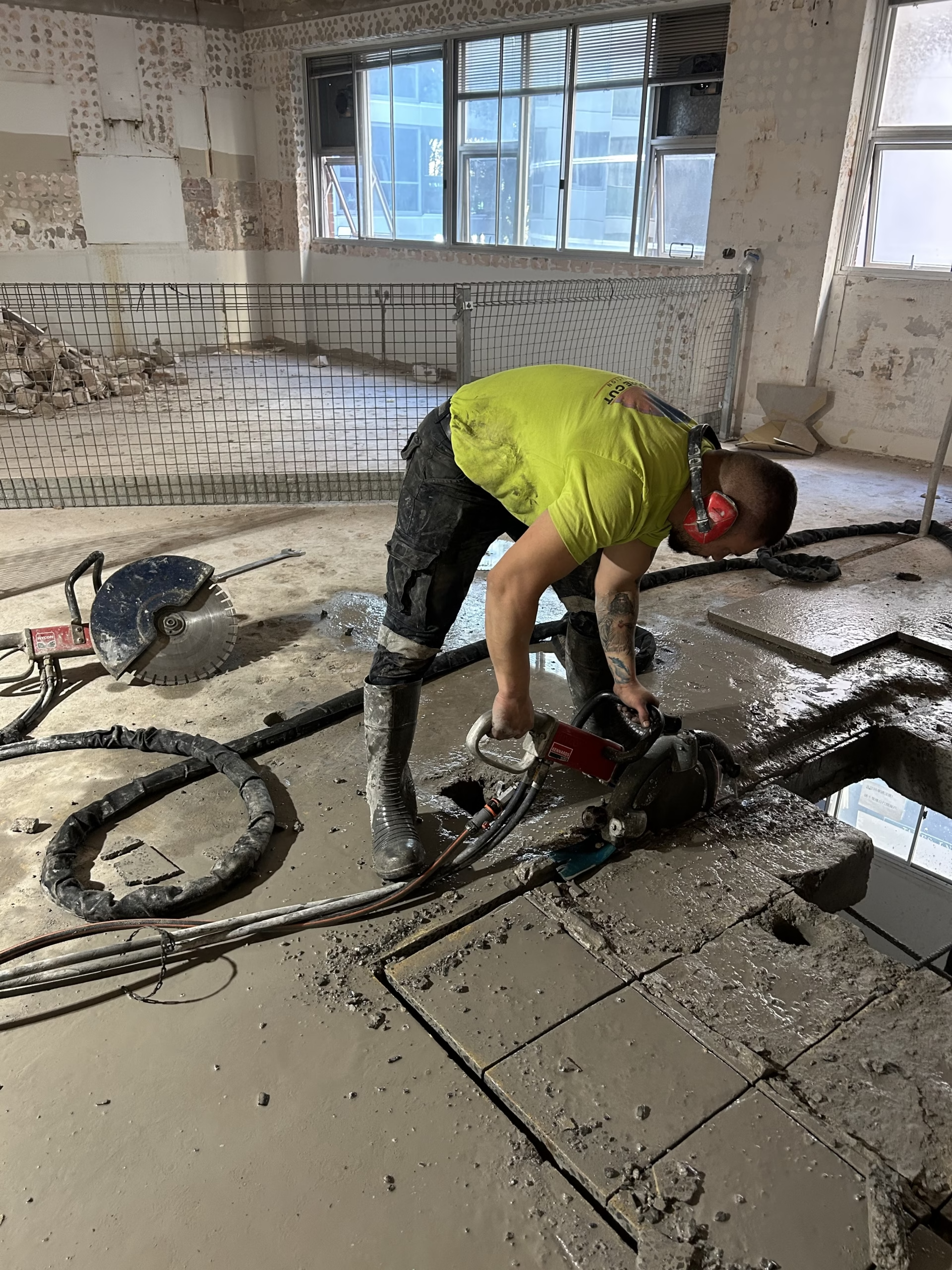
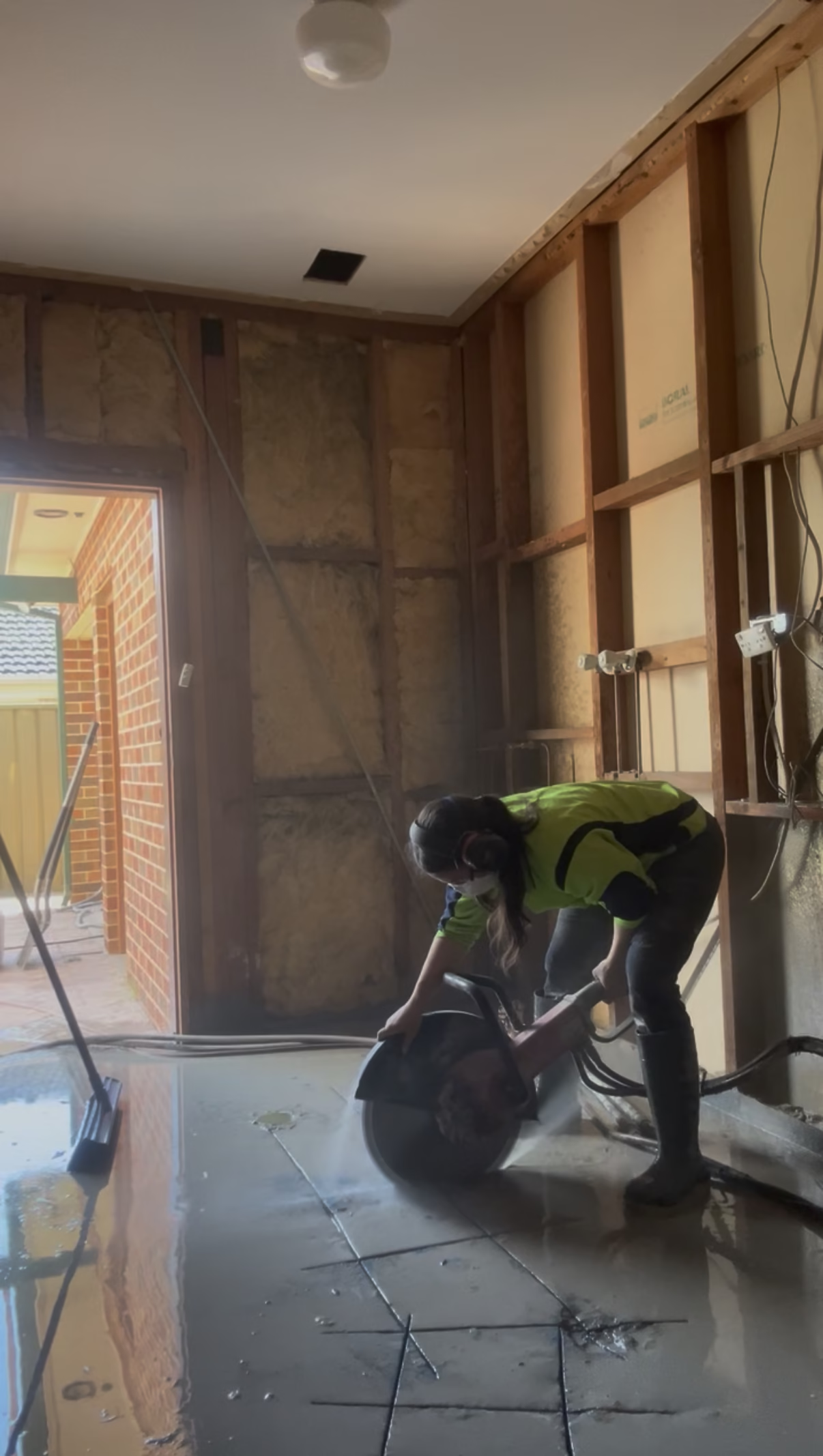
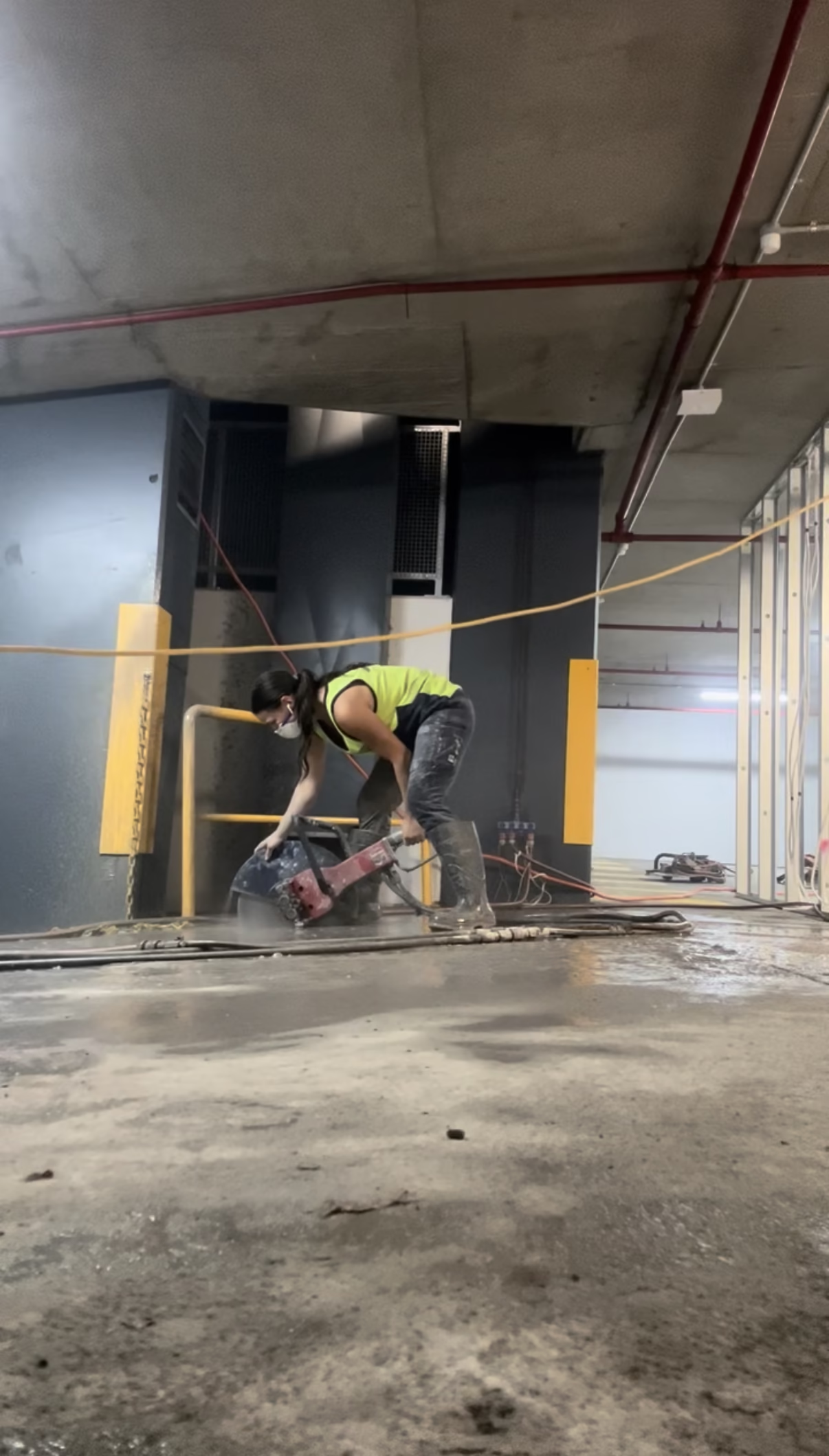
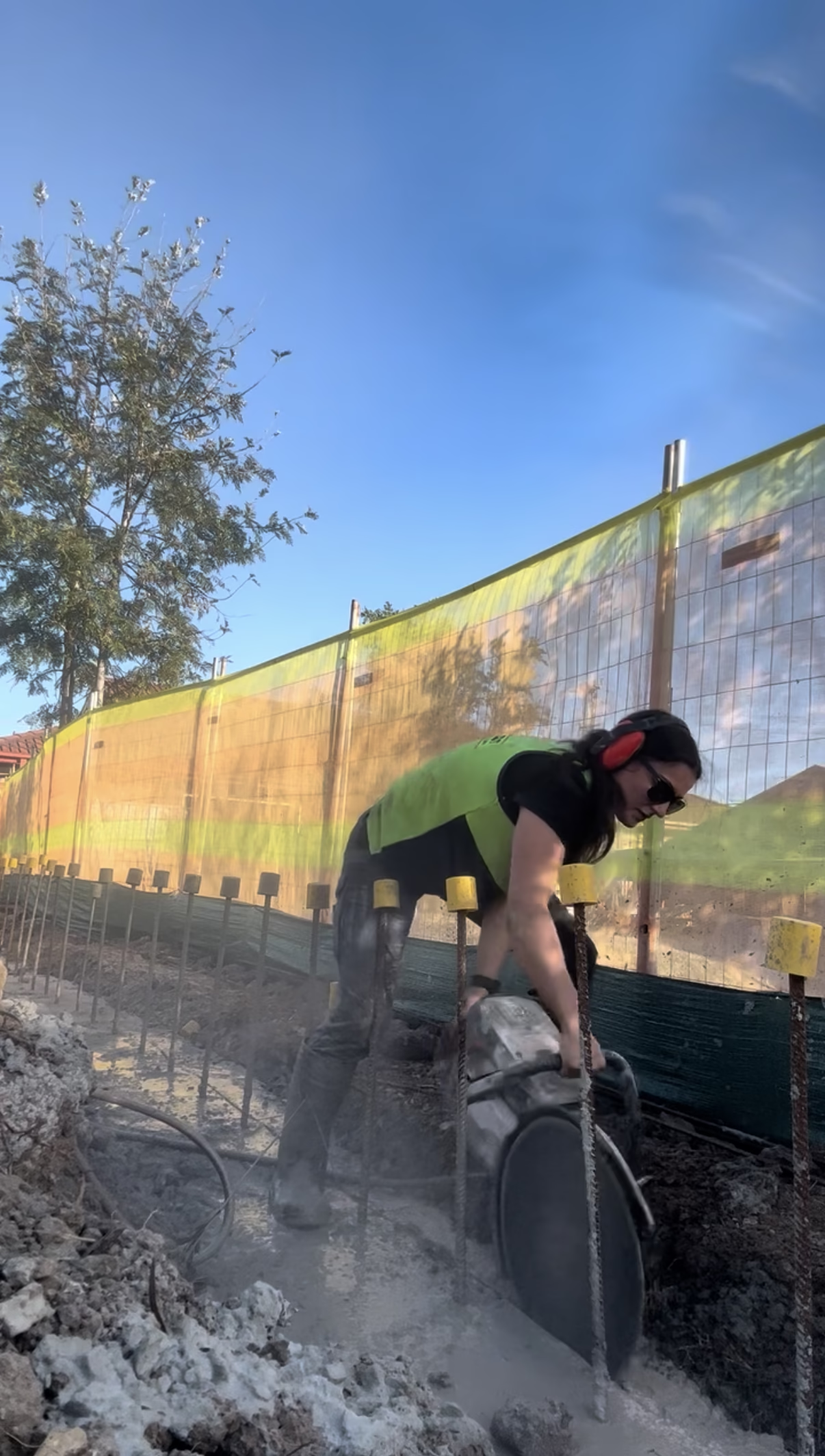
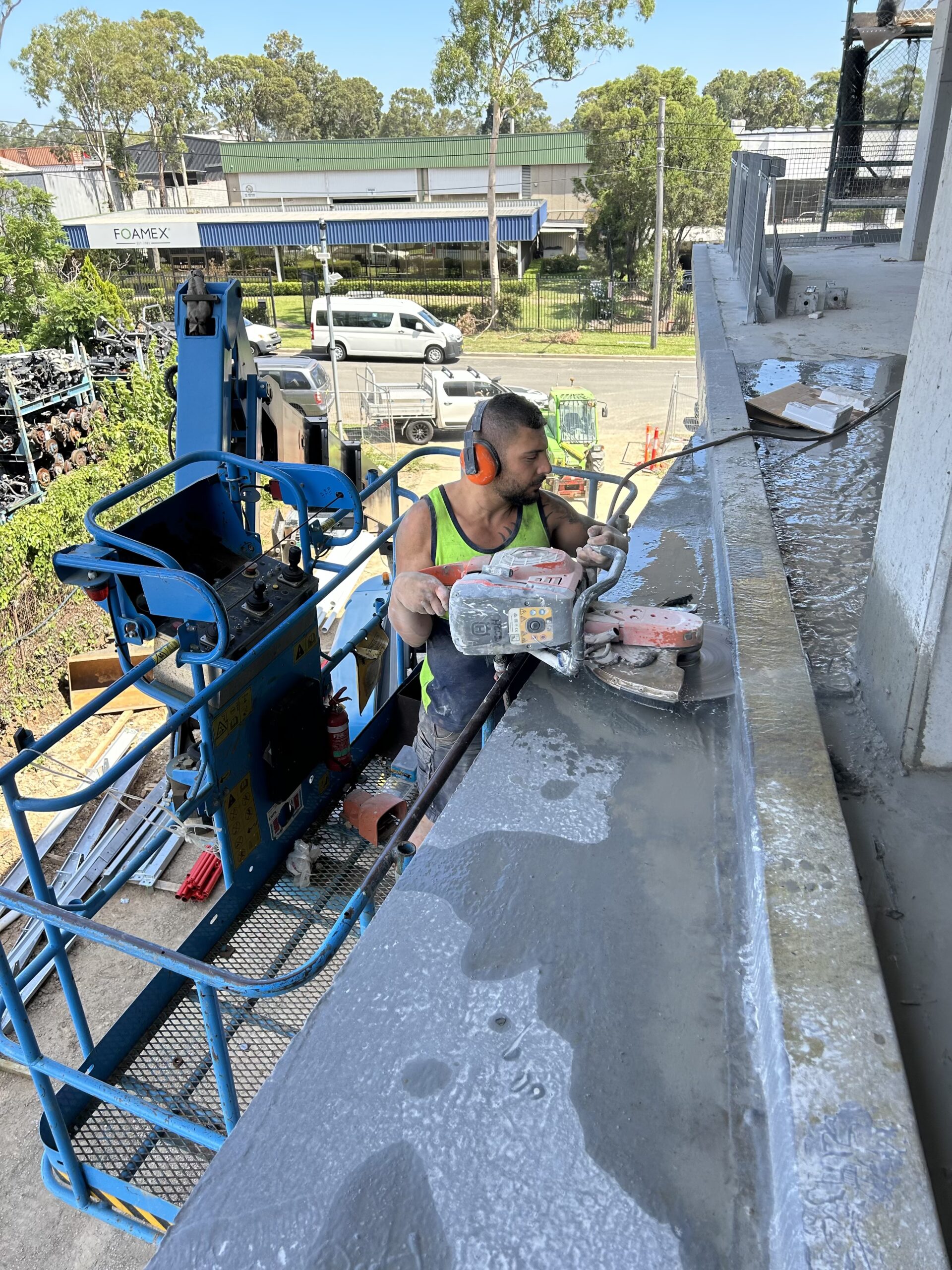
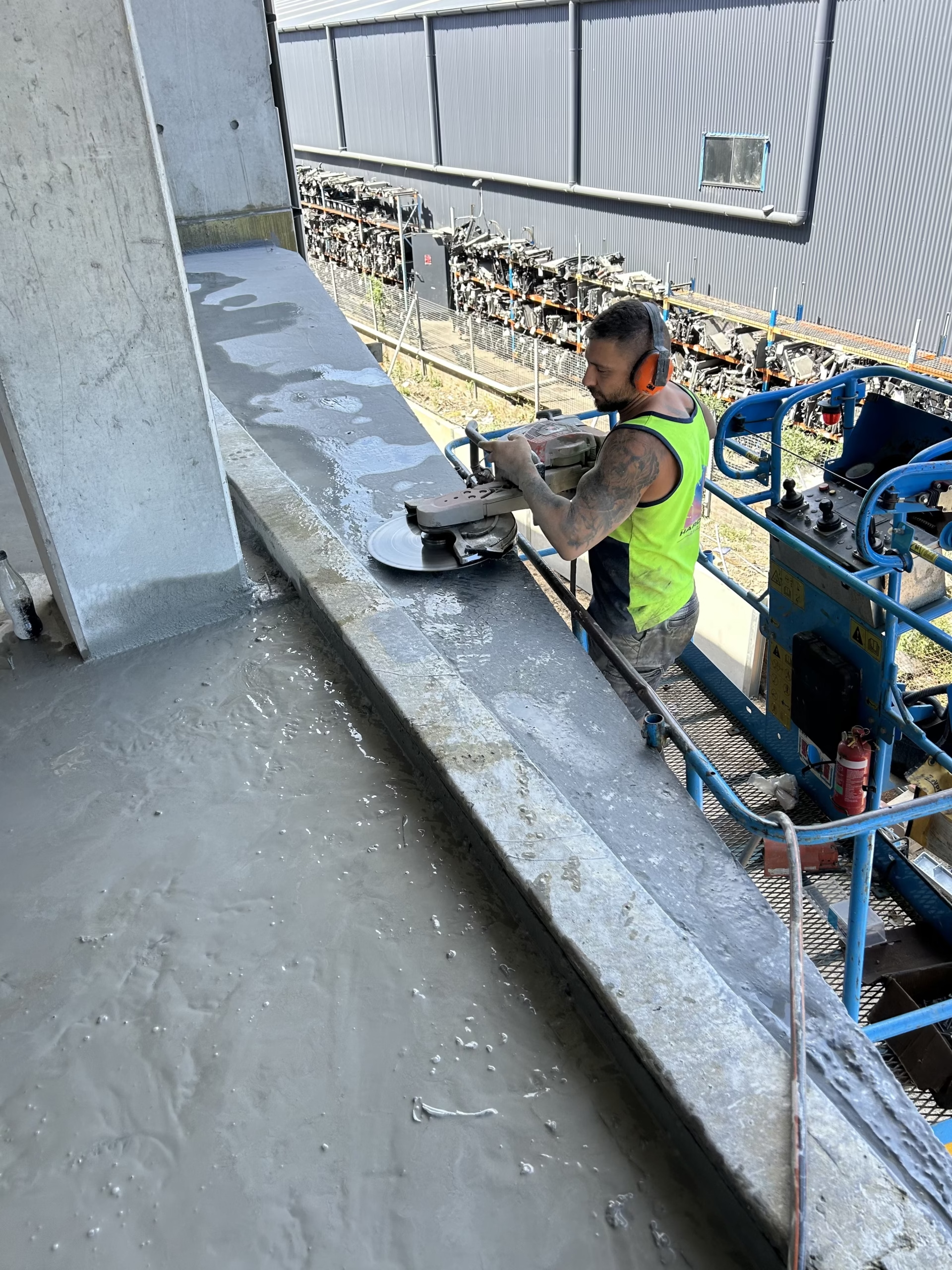
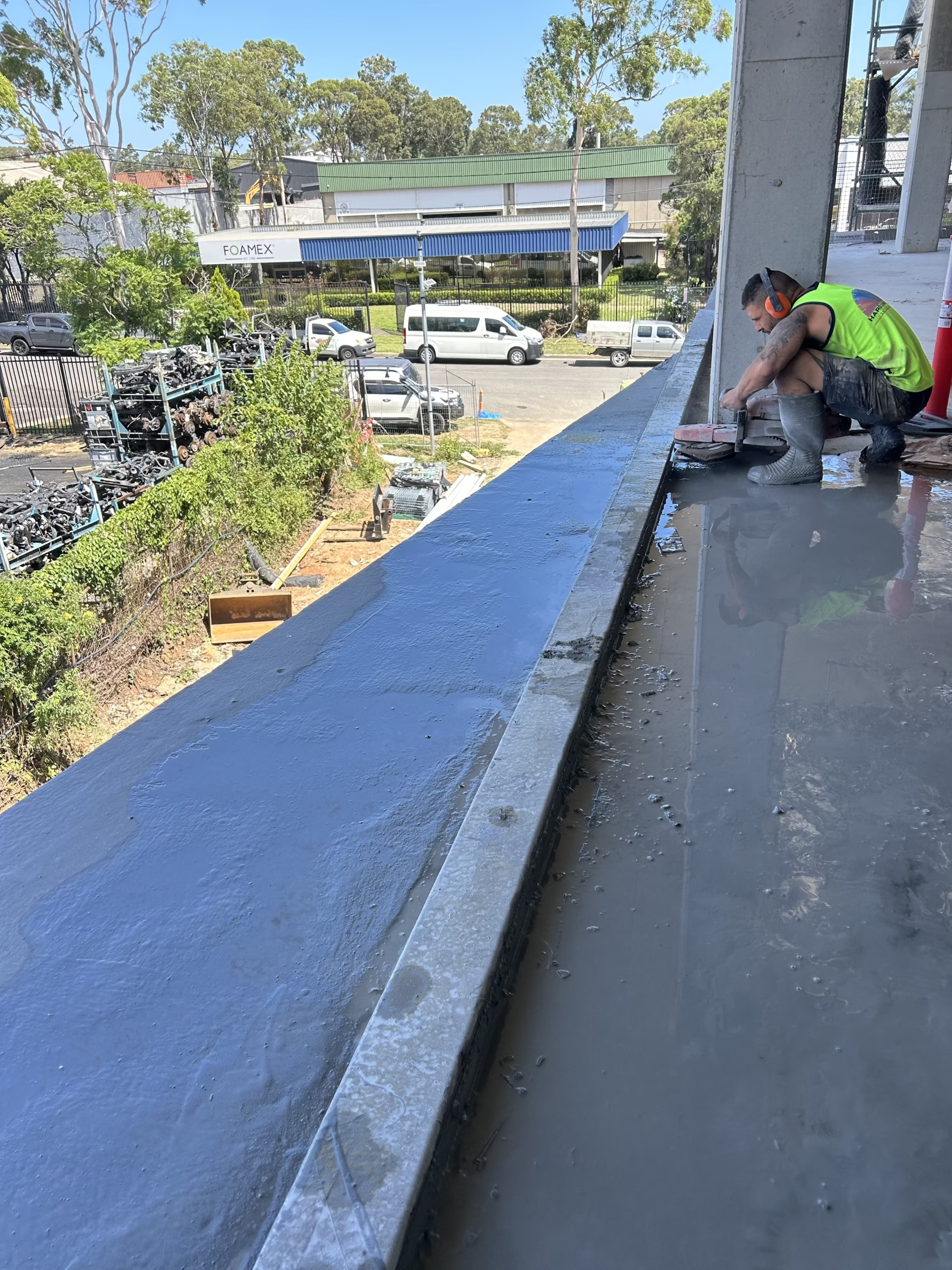
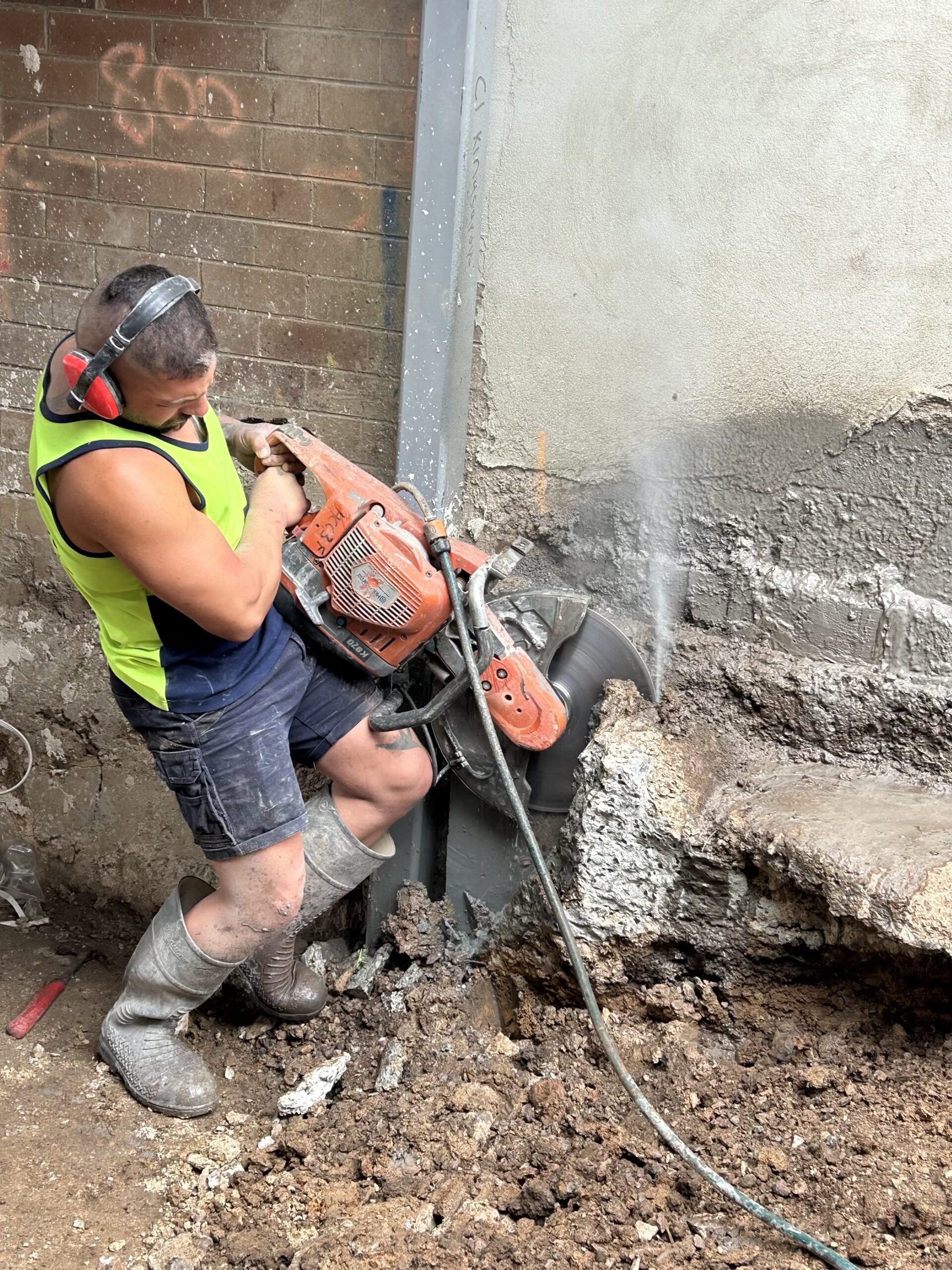
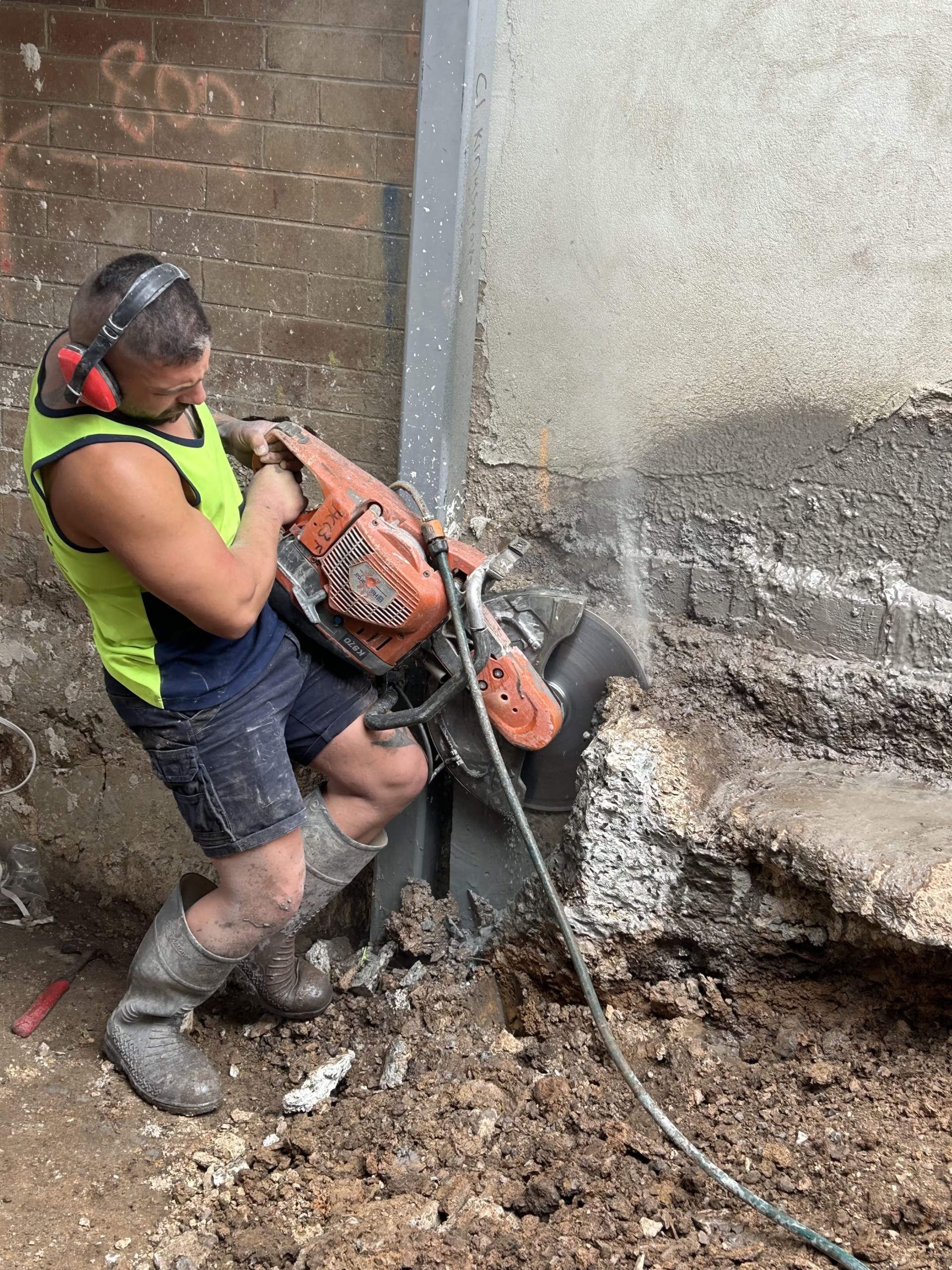
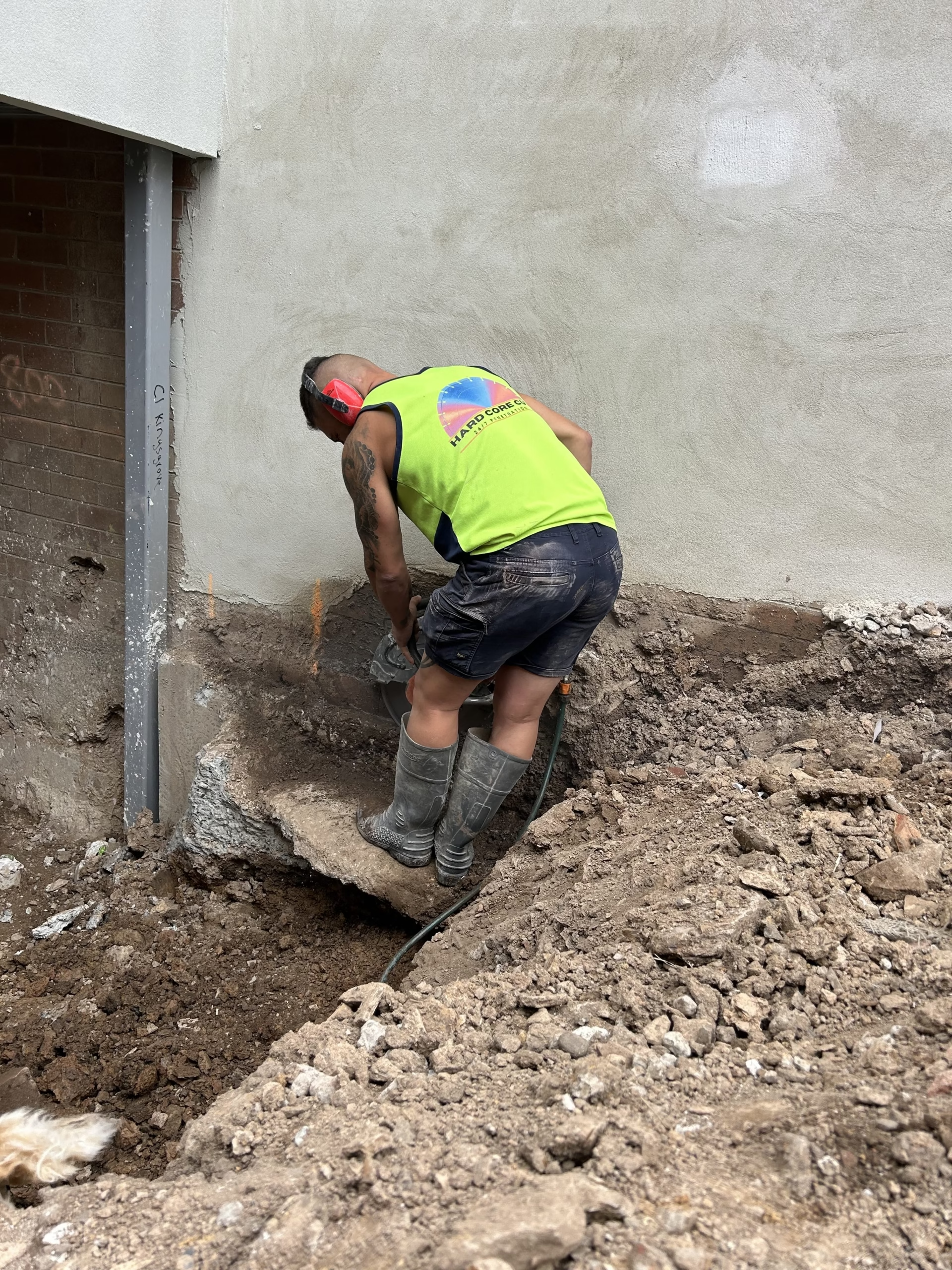
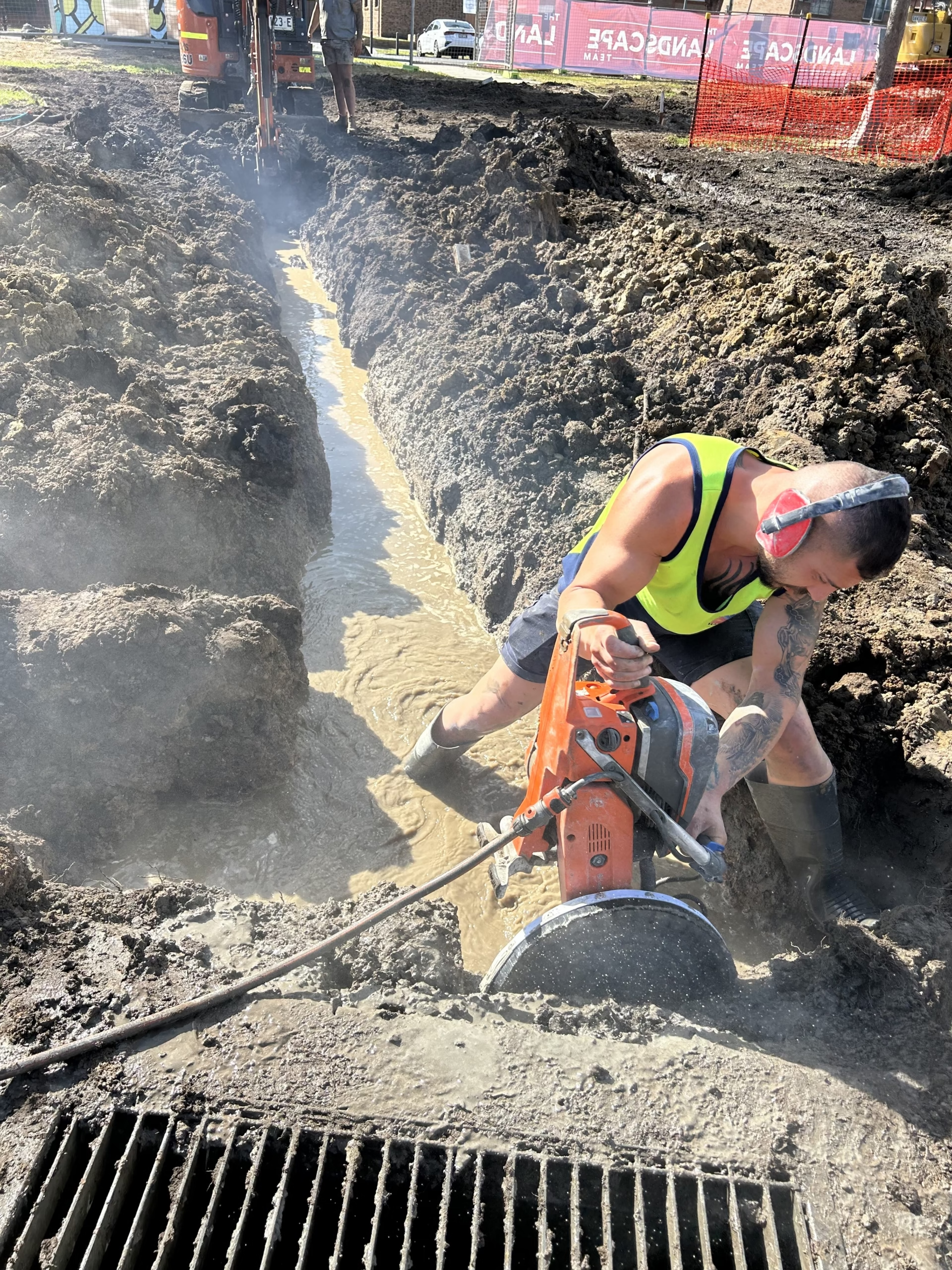
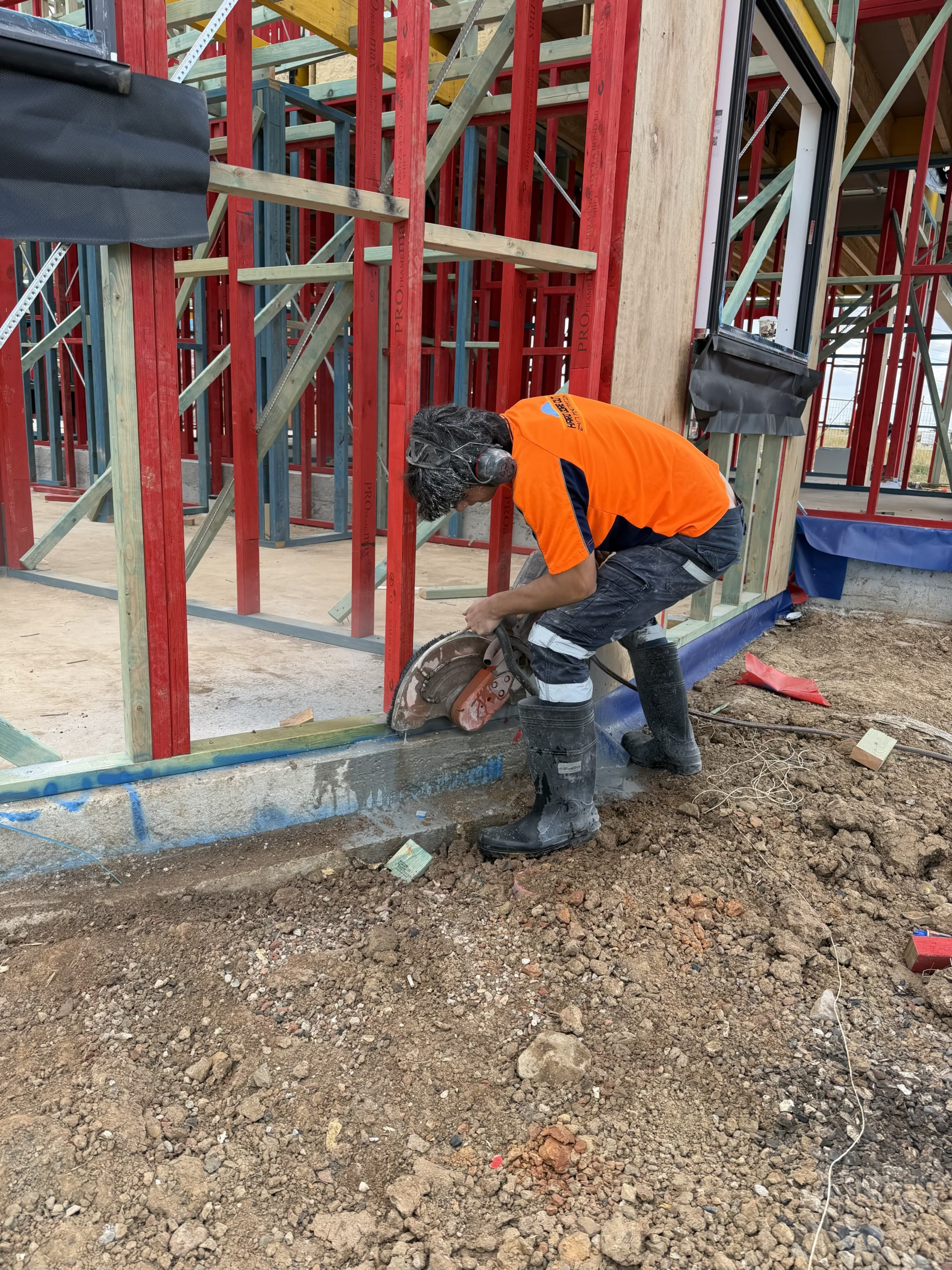
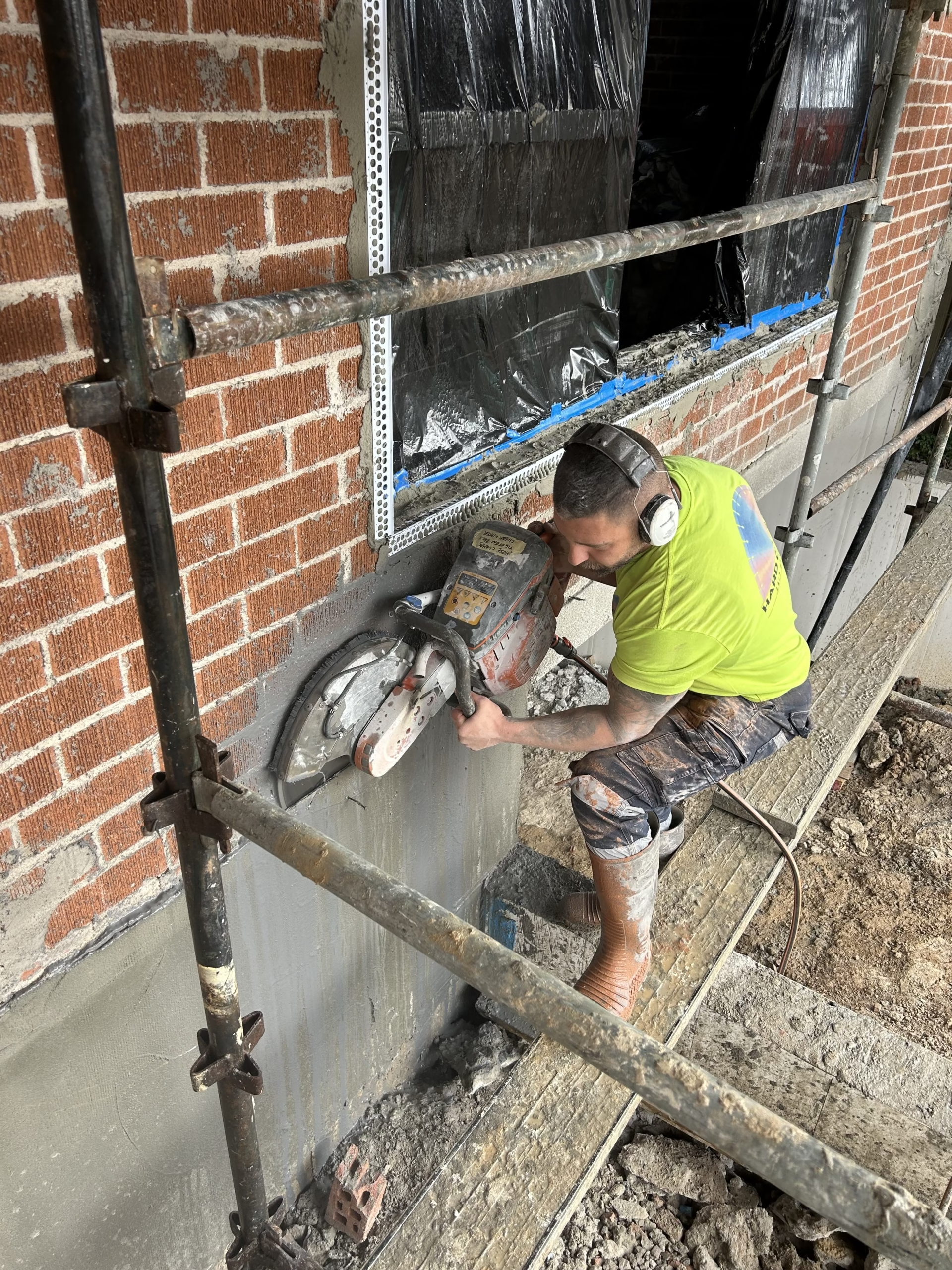
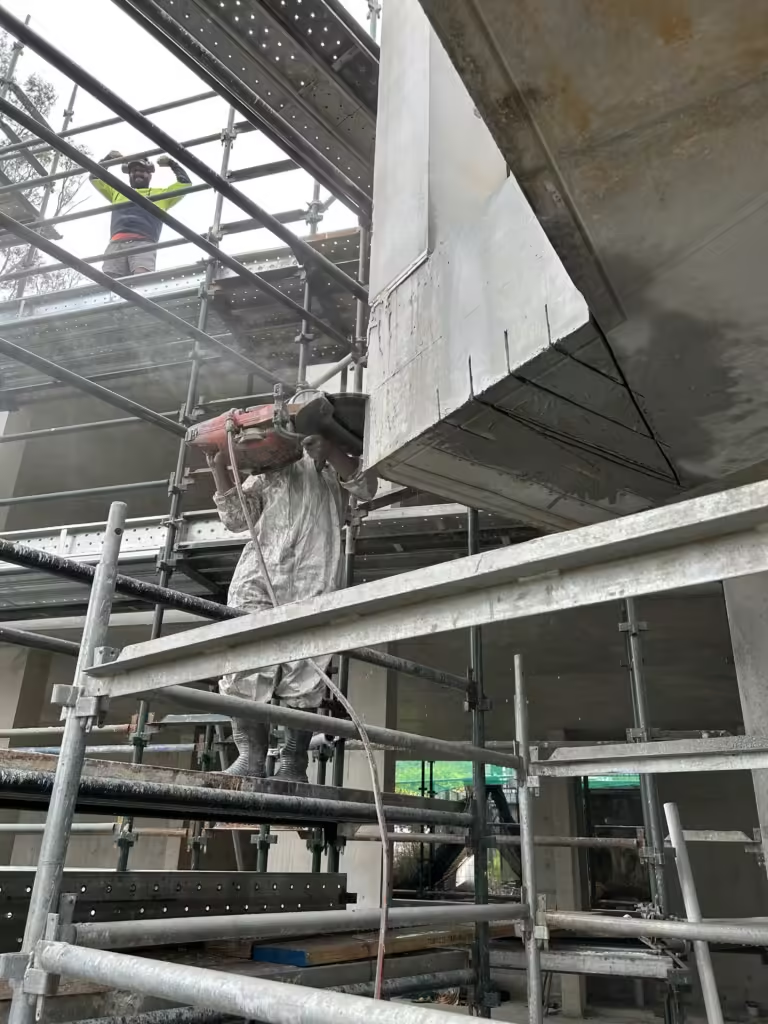
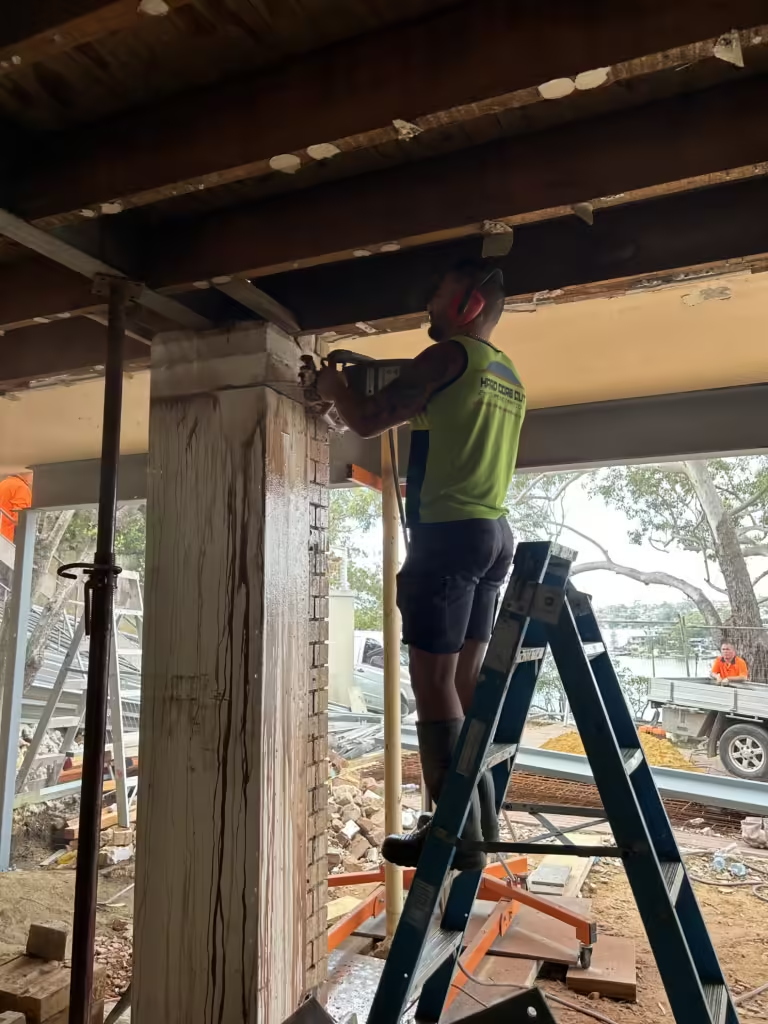
Hand sawing in concrete cutting refers to cutting concrete manually with a handheld concrete saw rather than using larger walk-behind or wall-mounted cutting equipment.
Typically, a worker uses a handheld saw fitted with a diamond blade to make cuts in concrete, masonry, asphalt, brick, or stone. Common types include:
- Petrol handheld concrete saws
- Electric handheld concrete saws
- Hydraulic or pneumatic handheld saws
Common uses of hand sawing
- Creating openings for doors and windows
- Cutting expansion joints
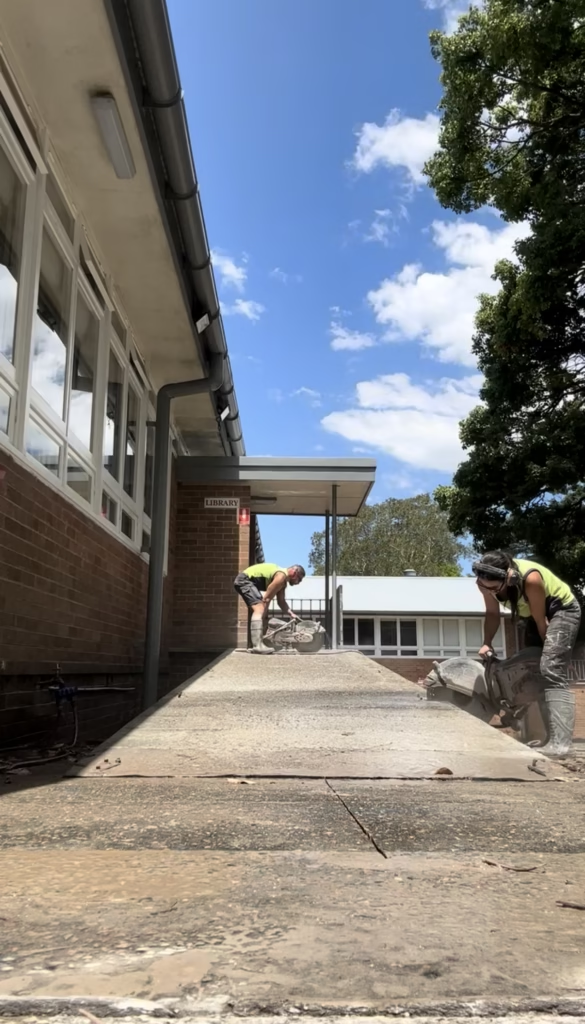
- Trimming concrete slabs or curbs
- Utility installations (pipes, cables, drains)
- Small demolition and renovation work
- Areas where larger saws cannot access
Advantages
- Portable and versatile
- Can be used in tight or elevated locations
- Suitable for short cuts and detail work
- Minimal setup time compared to larger equipment

Limitations
- Limited cutting depth compared with larger saws
- More physically demanding for the operator
- May produce significant dust and noise if not using wet-cutting methods
- Less efficient for long, straight cuts across large slabs
Typical Cutting Depths
The maximum depth depends on the saw and blade size, but handheld concrete saws commonly cut approximately:
- 100–150 mm (4–6 inches) deep with standard equipment
Concrete CHasing
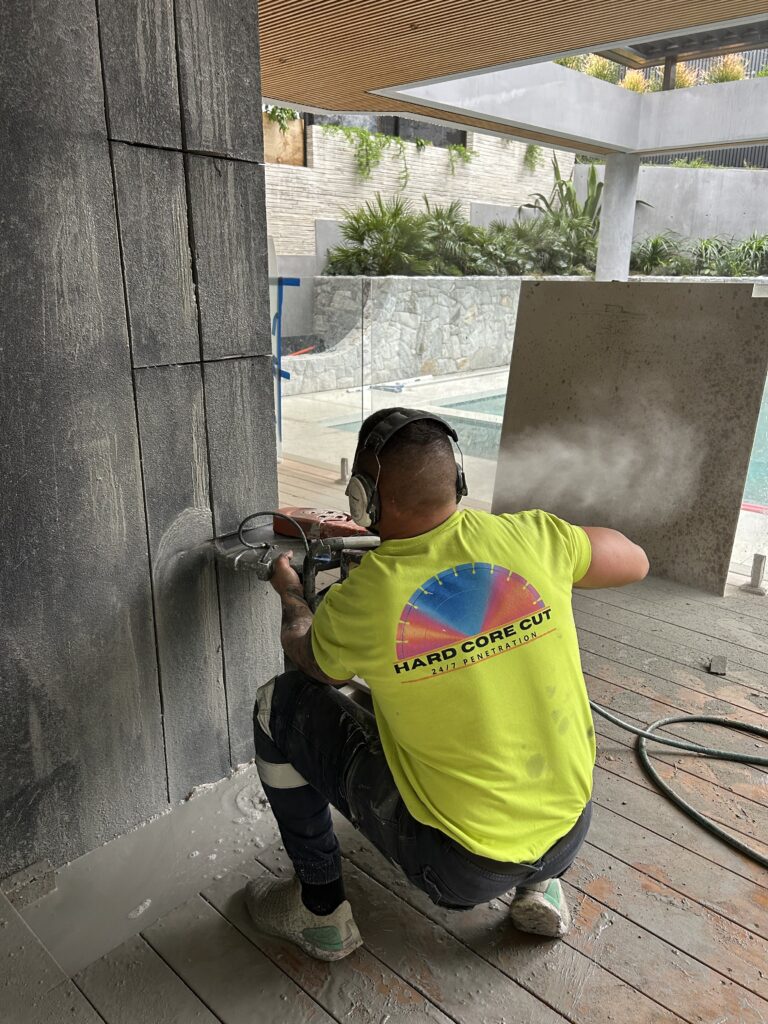
Concrete chasing (also called wall chasing or concrete grooving) is the process of cutting narrow channels (chases) into concrete, brick, blockwork, or masonry so services can be installed and concealed within the wall, floor, or slab.
What Is Concrete Chasing Used For?
Electrical Work
- Conduits
- Power cables
- Data and communications cabling
- Switch and outlet runs
Plumbing
- Small water pipes
- Drainage lines
- Gas pipe installations (where permitted)
Air Conditioning
- Refrigeration pipework
- Condensate drains
- Control cables
Renovations and Fit-Outs
- Hiding services within walls
- Avoiding surface-mounted conduits and pipes
How is it done?
Typically, two parallel cuts are made using:
- A wall chaser
- Handheld diamond saw
- Small floor saw (for slabs)
The material between the cuts is then removed with:
- Hammer drill
- Small jackhammer
- Chisel
This leaves a neat channel for the service installation.
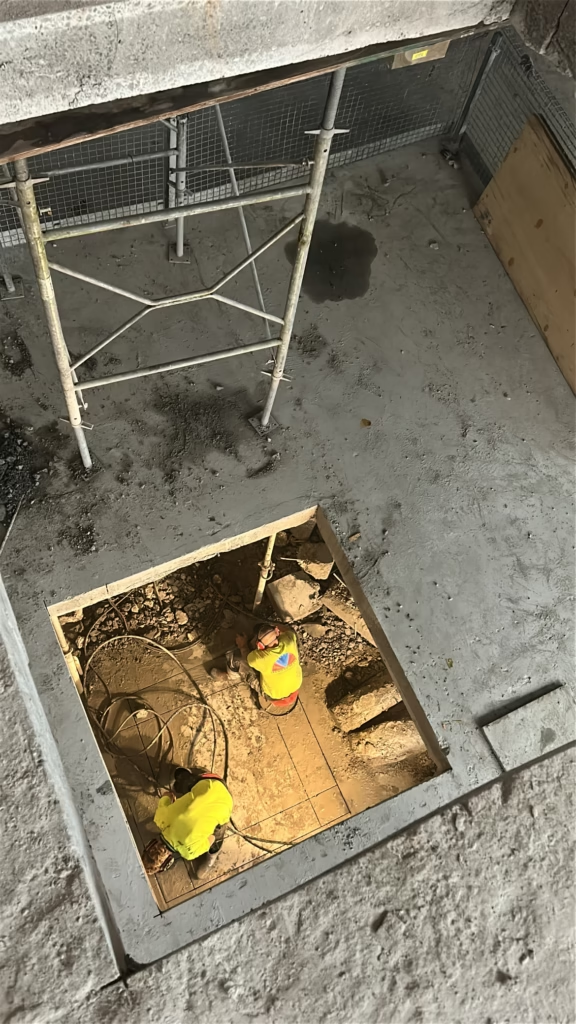
Common Equipment
Wall Chasers: Purpose-built machines with twin diamond blades that cut two parallel grooves at once.
Handheld Concrete Saws: Used for deeper or wider chases.
Vacuum Systems: Often connected directly to the chaser to control silica dust.
Difference Between Chasing and Other Concrete Cutting
Method | Purpose |
Core drilling | Round holes |
Wall sawing | Large openings |
Road sawing | Slab and pavement cuts |
Wire sawing | Very thick concrete |
Chasing | Narrow channels for services |
Example
An electrician installing new power points in a concrete apartment wall might:
- Use a wall chaser to cut two parallel 30 mm-deep grooves.
- Remove the concrete between them.
- Install conduit and wiring.
- Have the chase patched and finished flush with the wall.
In the concrete-cutting industry, chasing is generally a smaller, precision service compared with core drilling, wall sawing, and wire sawing, but it’s a common part of renovation and fit-out projects.
Concrete Ringsawing
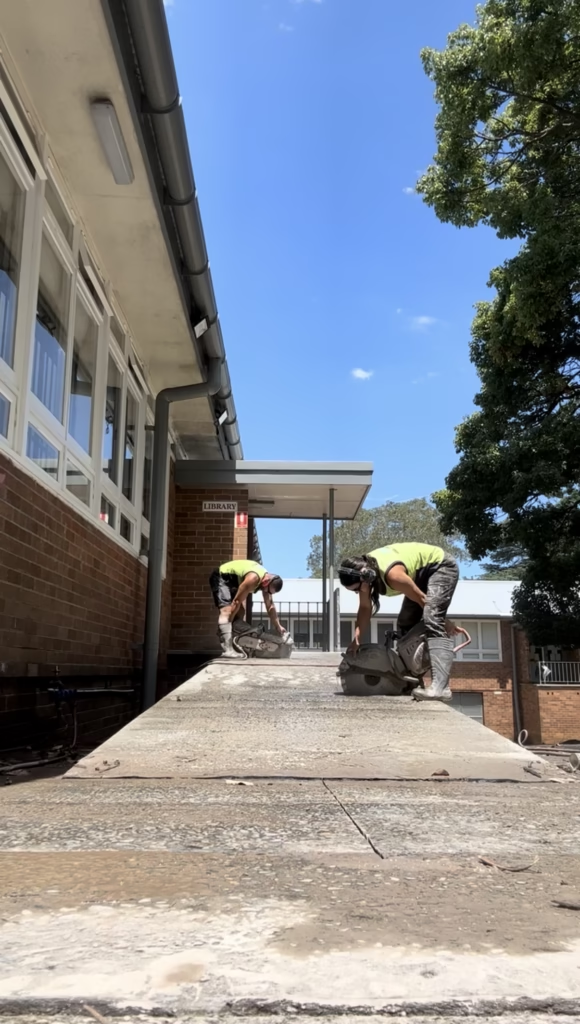
Concrete Ring Sawing experts in sydney
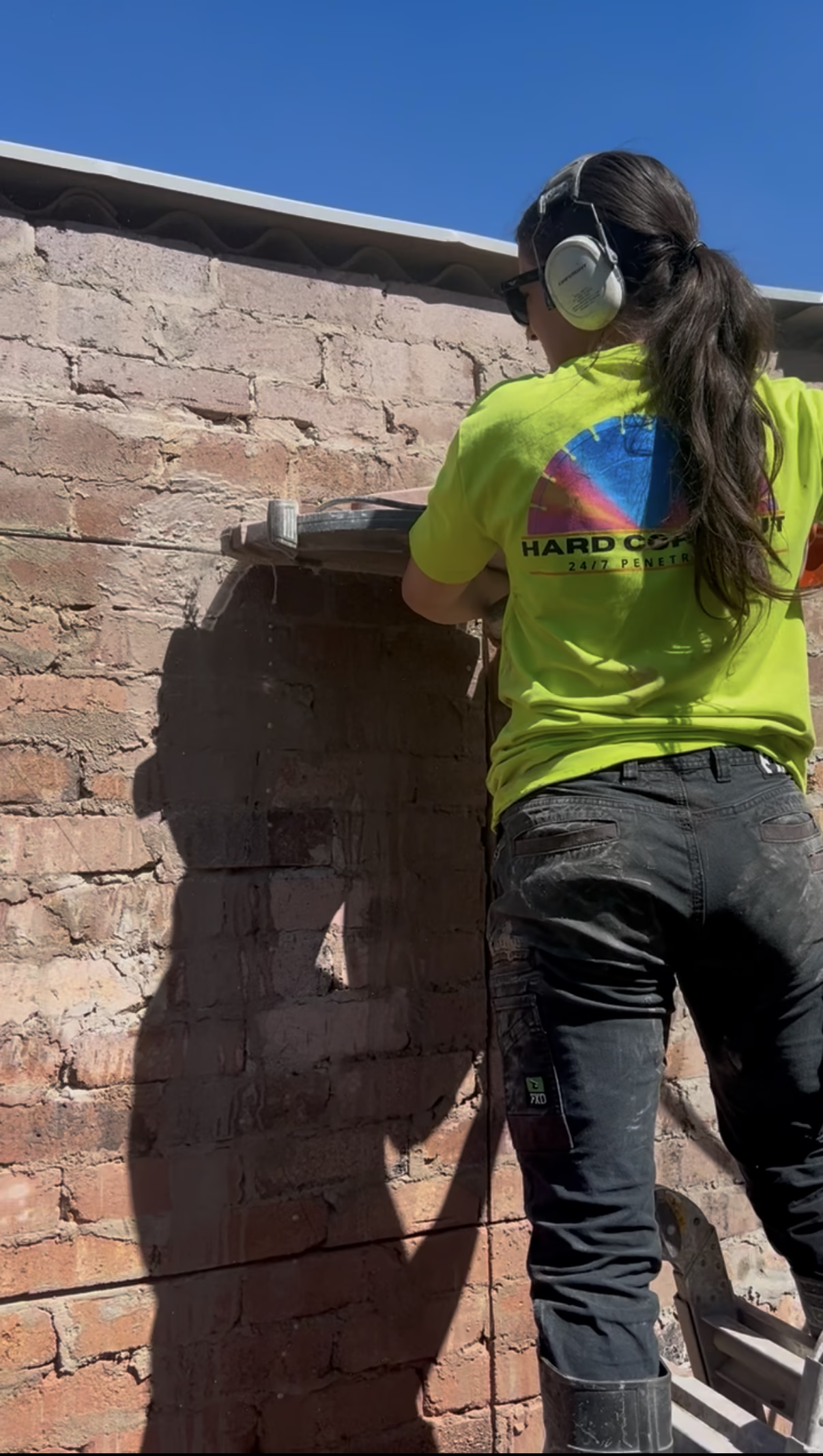
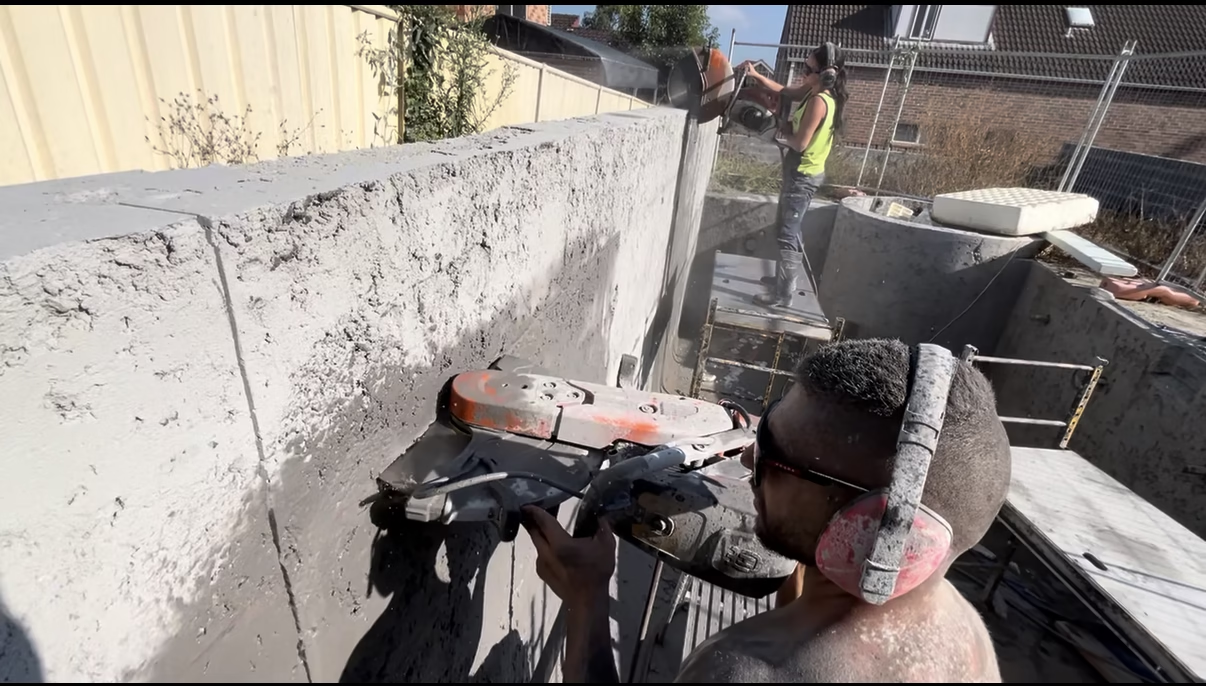
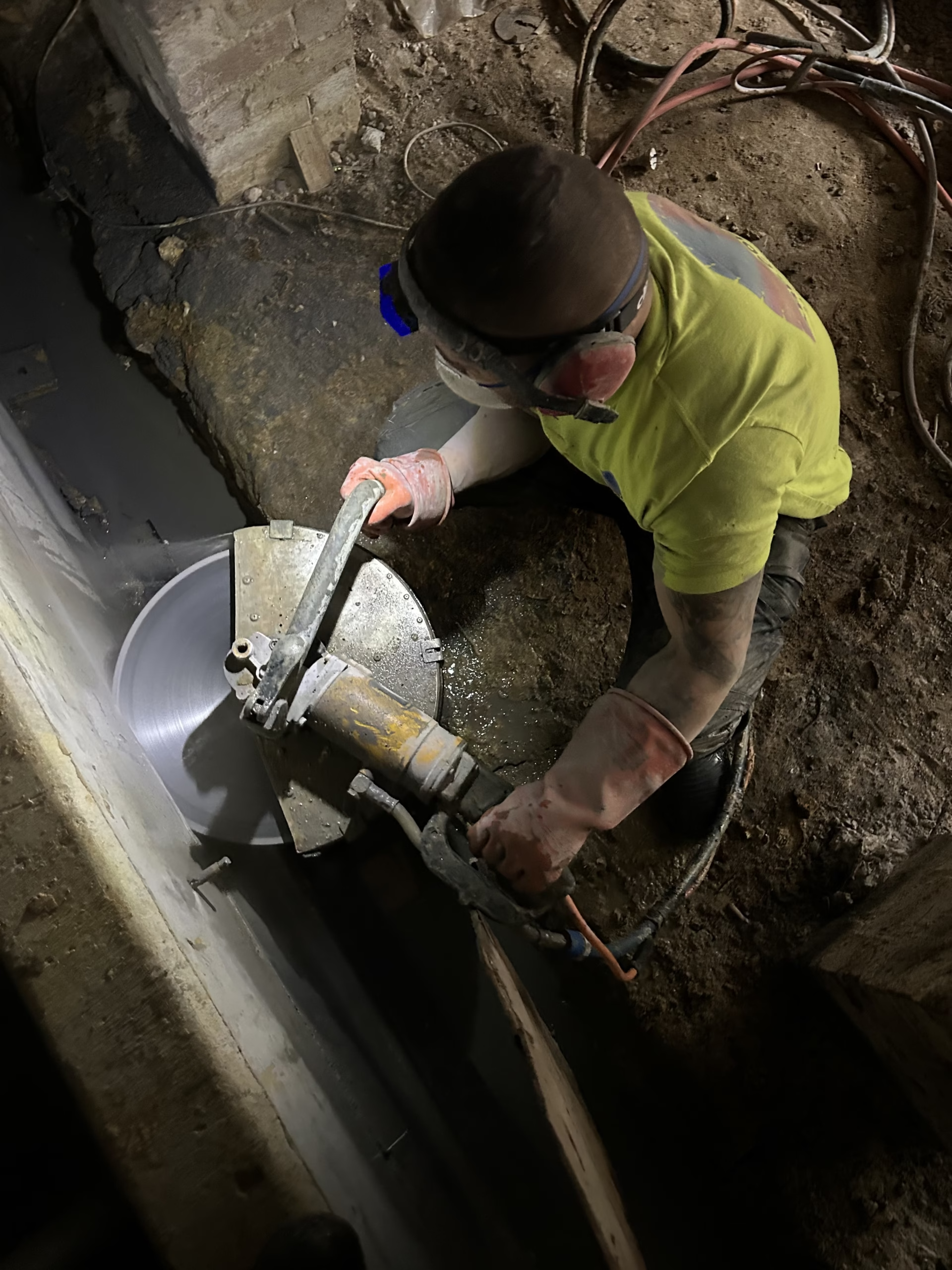
Ring sawing is a specialized concrete-cutting method that uses a handheld ring saw, where the diamond blade is shaped like a ring and driven from its outer edge rather than through a central arbor.
This design allows the blade to cut much deeper than a conventional handheld concrete saw of similar size.
How it works
A ring saw has:
- A large diamond-coated circular blade (the “ring”)
- Drive rollers that rotate the blade from its perimeter
- Usually a water supply to cool the blade and suppress dust
Common Applications
- Cutting door and window openings in concrete walls
- Deep plunge cuts where access is limited
- Demolition work
- Cutting reinforced concrete, brick, and masonry
- Rescue and emergency-response operations
Advantages
- Greater cutting depth than standard handheld saws
- Can start cuts directly into a surface (plunge cutting)
- Useful where wall saws or larger equipment cannot be used
- Good for cutting reinforced concrete
Limitations
- Slower than larger wall-saw or floor-saw systems for extensive work
- More expensive equipment and blades
- Requires operator skill to maintain straight, accurate cuts
- Higher maintenance costs
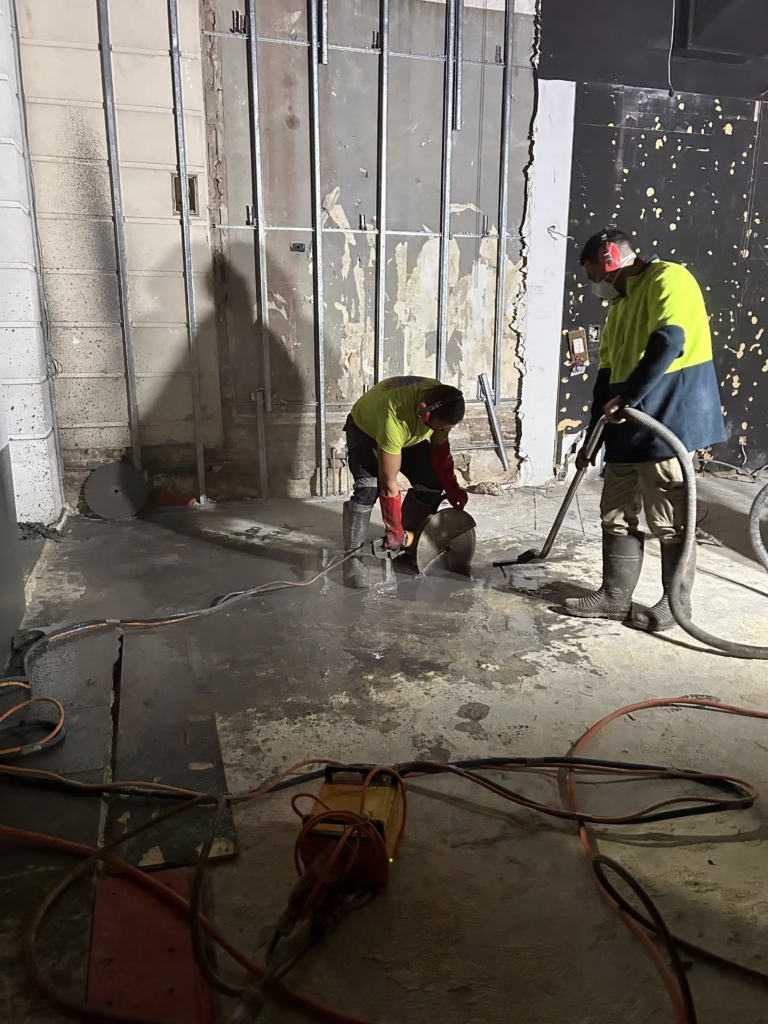
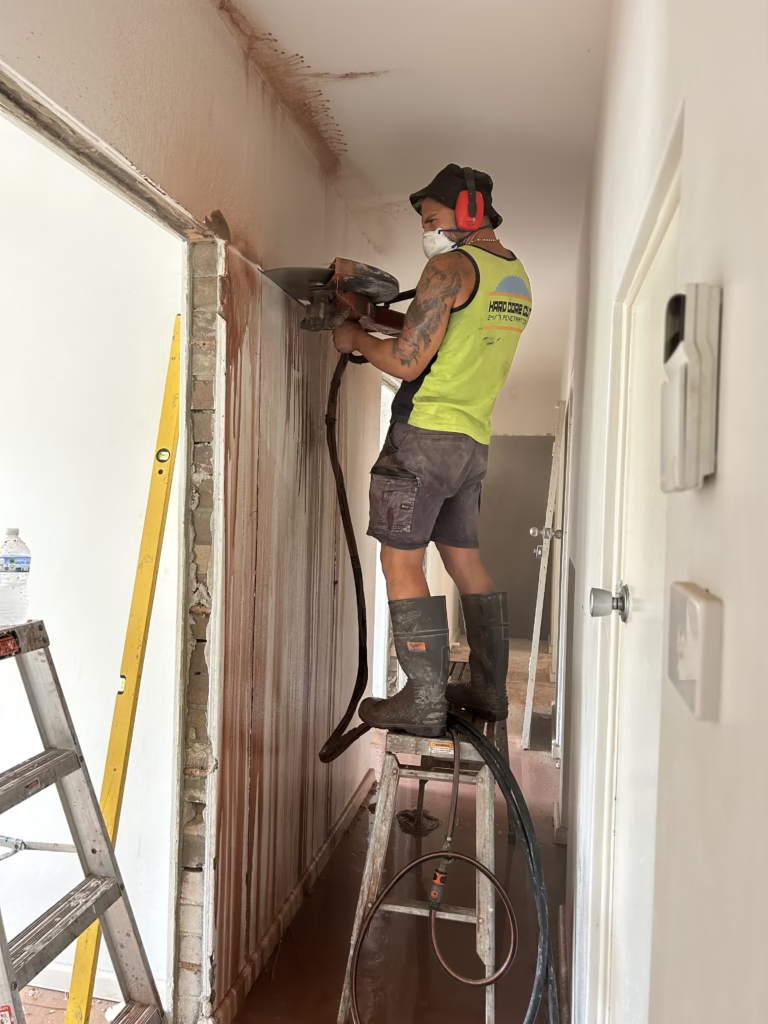
Typical cutting depth
Ring sawing vs. hand sawing
- Hand sawing is a broad category that includes any handheld concrete saw.
- Ring sawing is a specific type of hand sawing that uses a ring blade to achieve deeper cuts.
So, if a concrete-cutting contractor lists “ring sawing” separately from “hand sawing”, they are usually referring to deep-cut handheld work performed with a ring saw rather than a standard handheld diamond-blade saw
The use of three phase electric handsaws and ringsaws
Three-phase electric handsaws and ringsaws are used for heavy-duty concrete and masonry cutting where high power, continuous operation, and reduced emissions are important.
Why use three-phase electric saws?
Compared with single-phase electric or petrol-powered saws, three-phase electric saws provide:
- Higher and more consistent power output
- Better performance when cutting heavily reinforced concrete
- Continuous operation without refueling
- No exhaust emissions, making them suitable for indoor work
- Lower noise levels than many petrol-powered saws
- Reduced maintenance requirements
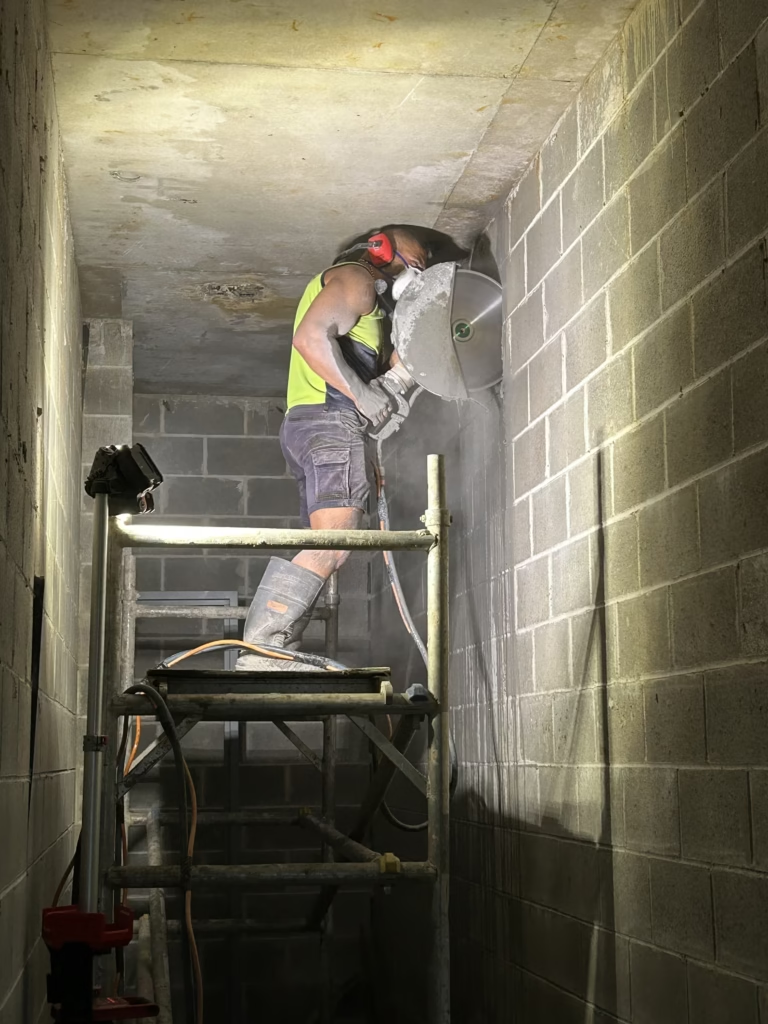
Uses of three-phase electric handsaws
Handsaws are typically used for:
- Cutting openings for doors and windows
- Trimming concrete walls and slabs
- Expansion joint cutting
- Utility trenching and service penetrations
- Demolition and renovation projects
- Work in confined spaces where larger saws cannot be used
Uses of three-phase electric ringsaws
Because ringsaws can cut deeper, they are commonly used for:
- Deep wall penetrations
- Cutting reinforced concrete walls
- Creating square openings with minimal overcutting
- Bridge and infrastructure repairs
- Lift shaft and stairwell modifications
- Demolition of thick concrete structures
Typical project environments
Three-phase electric saws are often chosen for:
- Commercial buildings
- Hospitals
- Data centers
- Tunnels
- Industrial facilities
- Underground structures
- Occupied buildings where fumes are unacceptable
Example
A contractor cutting a 250 mm reinforced concrete wall inside a building may use a three-phase electric ringsaw because it:
- Has enough power to cut through reinforcement.
- Produces no engine exhaust.
- Can achieve the required depth without bringing in a larger wall-saw system.
In concrete-cutting businesses, three-phase electric handsaws and ringsaws are often considered specialized equipment for high-power indoor or infrastructure work, bridging the gap between standard handheld saws and larger wall-sawing systems.
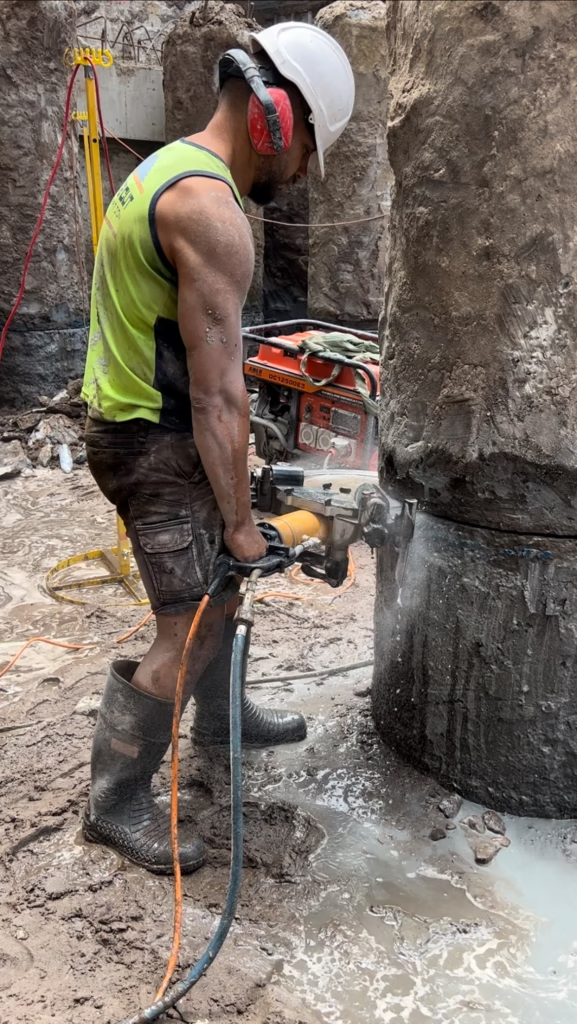
Why use hydraulic Saws?
Hydraulic saws offer:
- High power-to-weight ratio
- Strong torque for cutting reinforced concrete
- No electric motor or petrol engine on the saw itself
- Ability to operate in wet environments
- Lower risk of electrical hazards
- Reliable operation under heavy loads
Where hydraulic saws are preferred
Hydraulic systems are often selected for:
- Remote sites
- Wet or flooded environments
- Underground works
- Marine construction
- High-production demolition
- Locations with limited electrical supply
Advantages over electric saws
- Typically more tolerant of harsh conditions
- Excellent performance when cutting heavy reinforcement
- Can operate continuously without concerns about motor overheating
- Suitable for underwater and extremely wet applications
Limitations
- Require a hydraulic power unit and hoses
- More setup and transport effort
- Hydraulic hoses can restrict mobility
- Higher equipment cost than many electric handheld saws
Common applications
Hydraulic handsaws
Used for:
- Cutting reinforced concrete walls and slabs
- Bridge repair work
- Road and infrastructure maintenance
- Demolition projects
- Marine and underwater construction work
- Tunnel and mining operations
Hydraulic ringsaws
Used for:
- Deep cuts in reinforced concrete
- Door and window openings
- Thick wall penetrations
- Structural modification work
- Areas where wall saws cannot be installed
Hydraulic wall saws
Used for:
- Large openings in concrete walls
- Lift shafts and stairwells
- Building alterations
- Nuclear, industrial, and infrastructure projects
Example
On a bridge rehabilitation project, workers may use a hydraulic ringsaw to cut a deep opening through heavily reinforced concrete. The hydraulic system provides the torque needed to maintain blade speed when encountering steel reinforcement, while the equipment can safely operate in a wet environment.
In the concrete-cutting industry, hydraulic saws are often chosen for heavy structural work, infrastructure projects, marine applications, and situations where maximum cutting performance is needed.
Concrete Flush CUtting
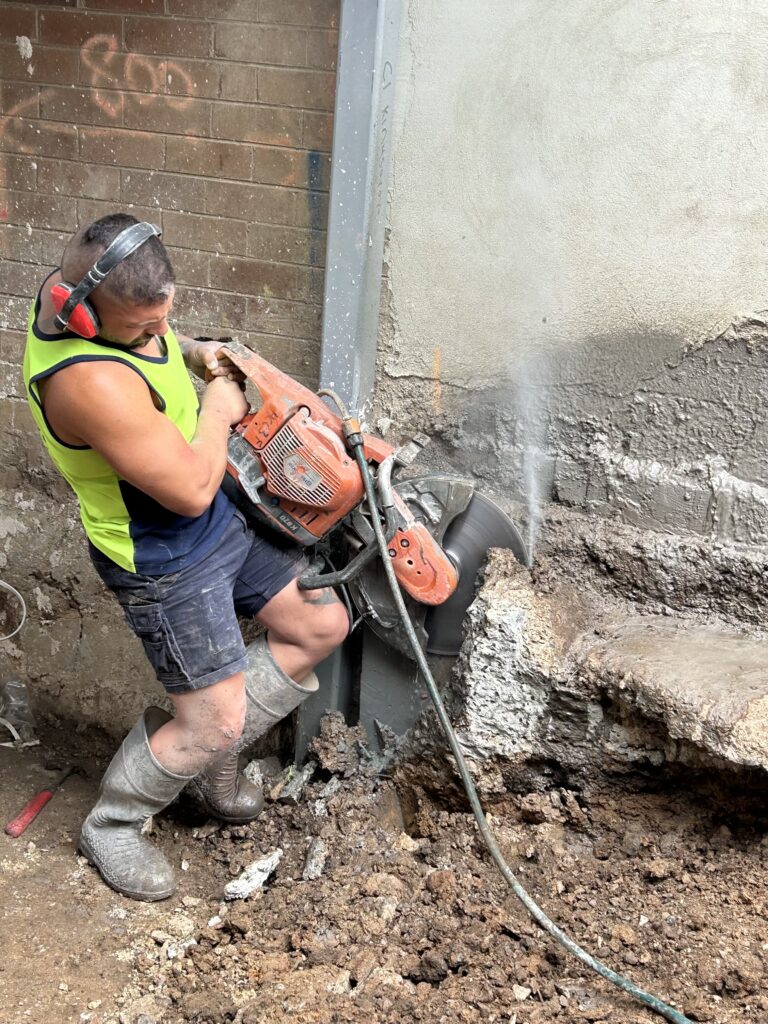
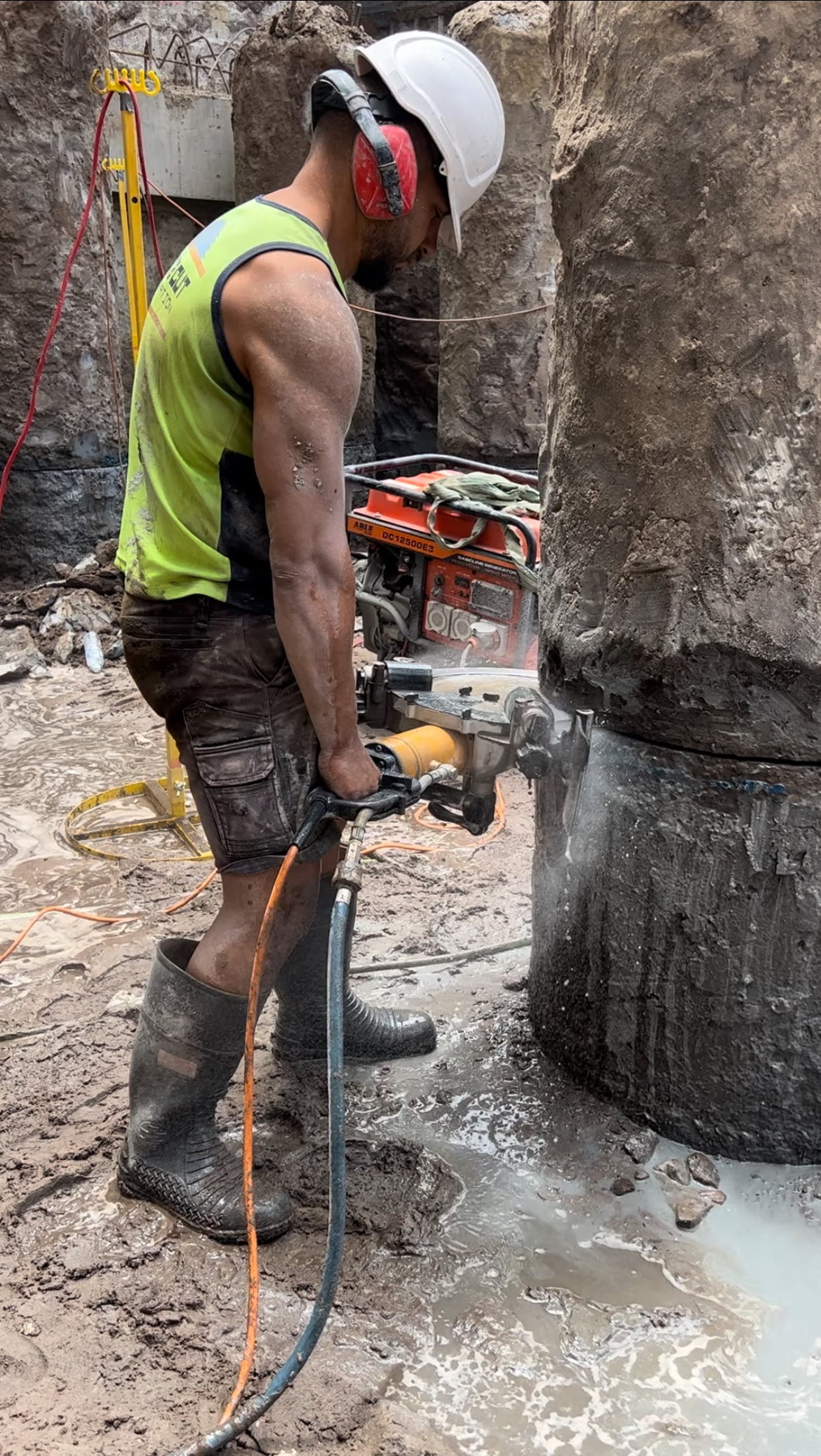
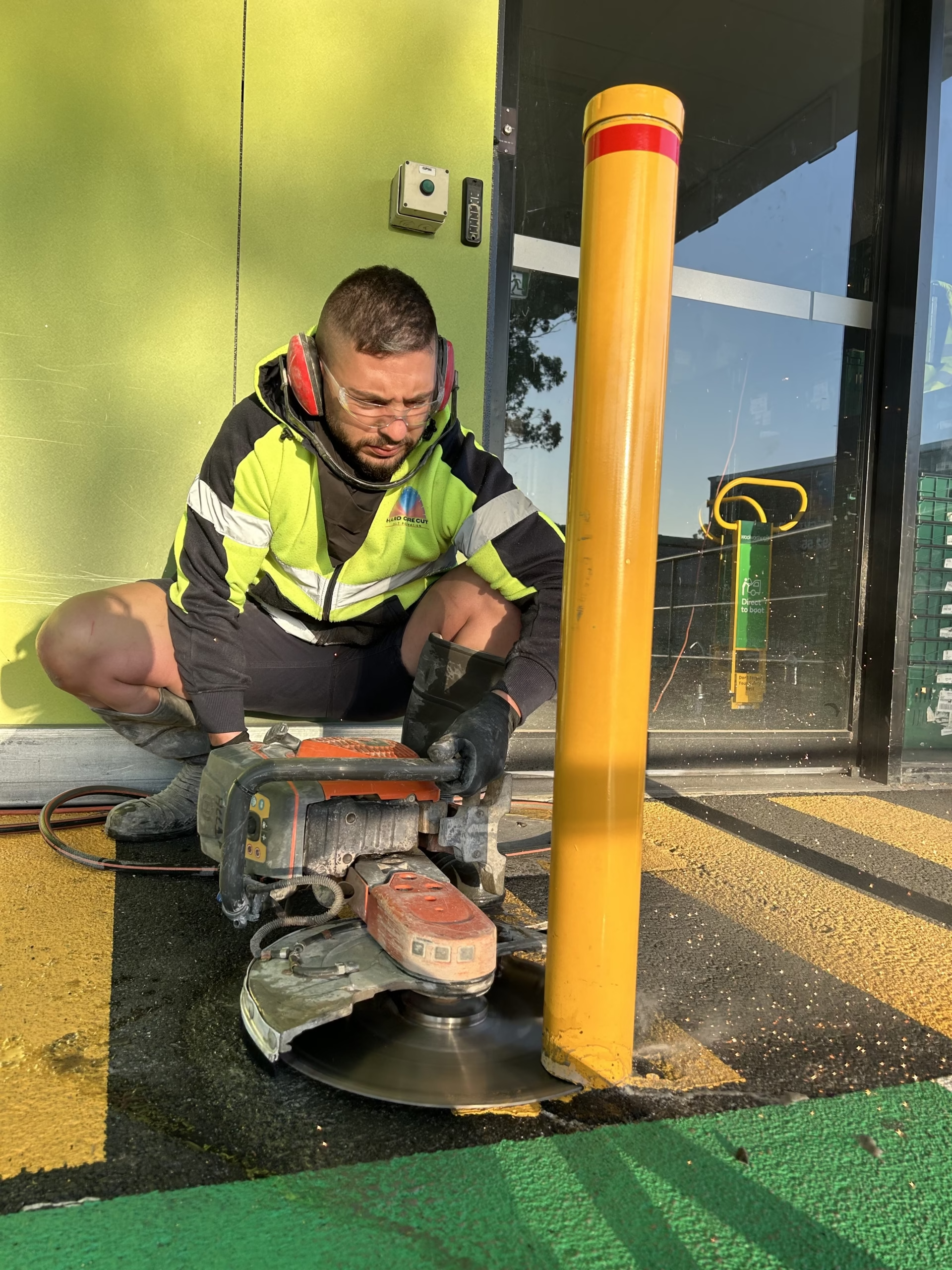
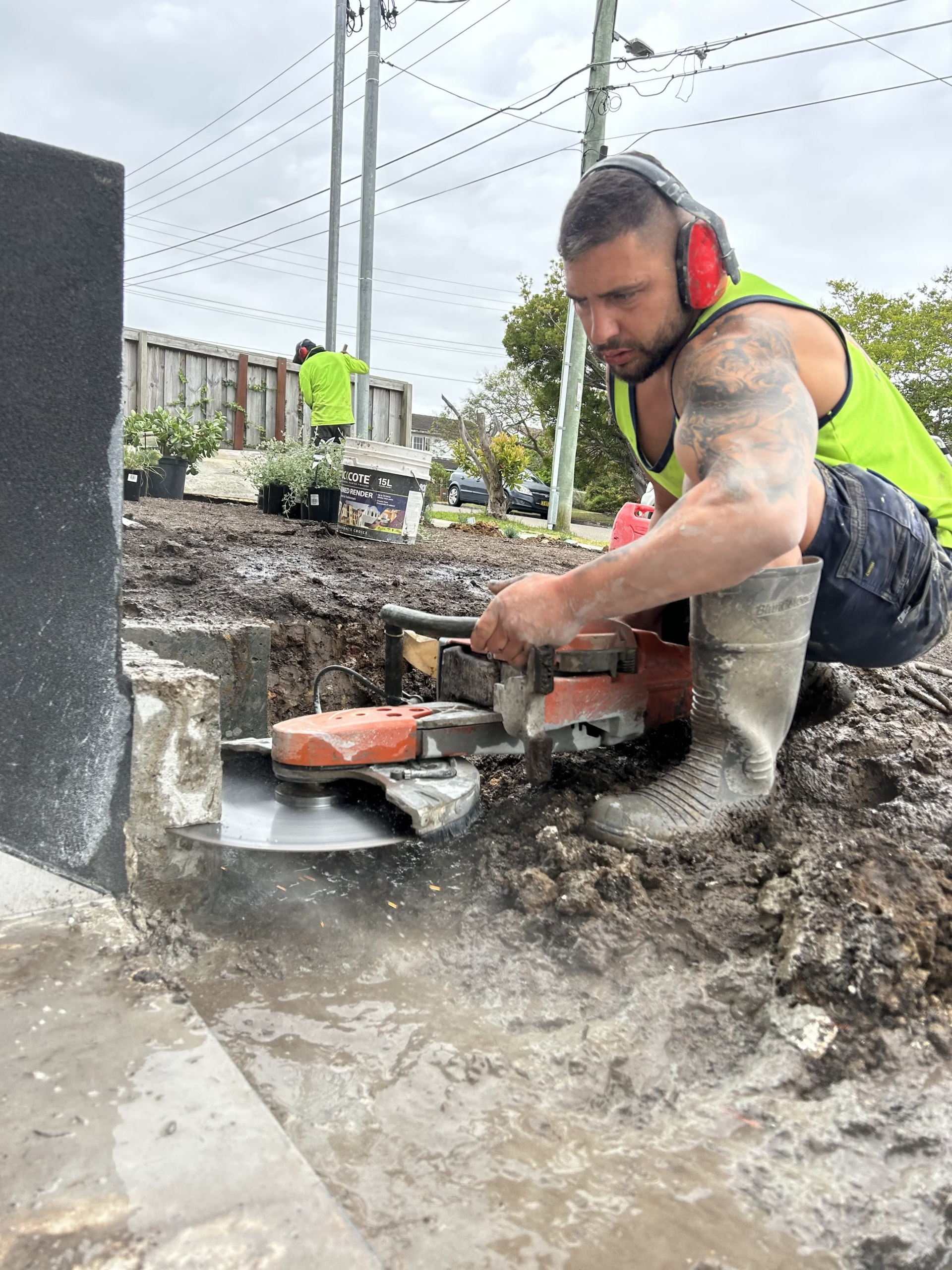
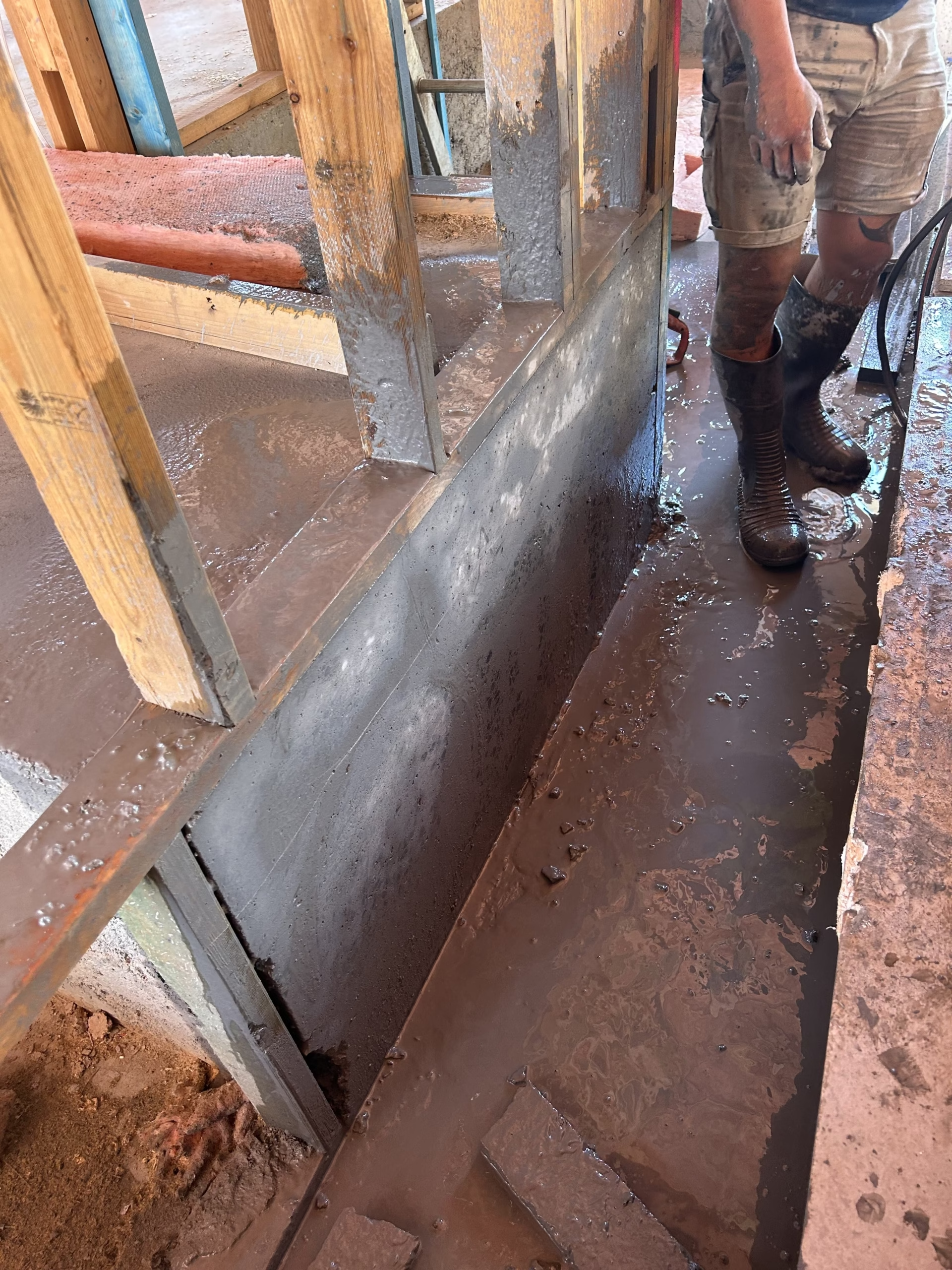
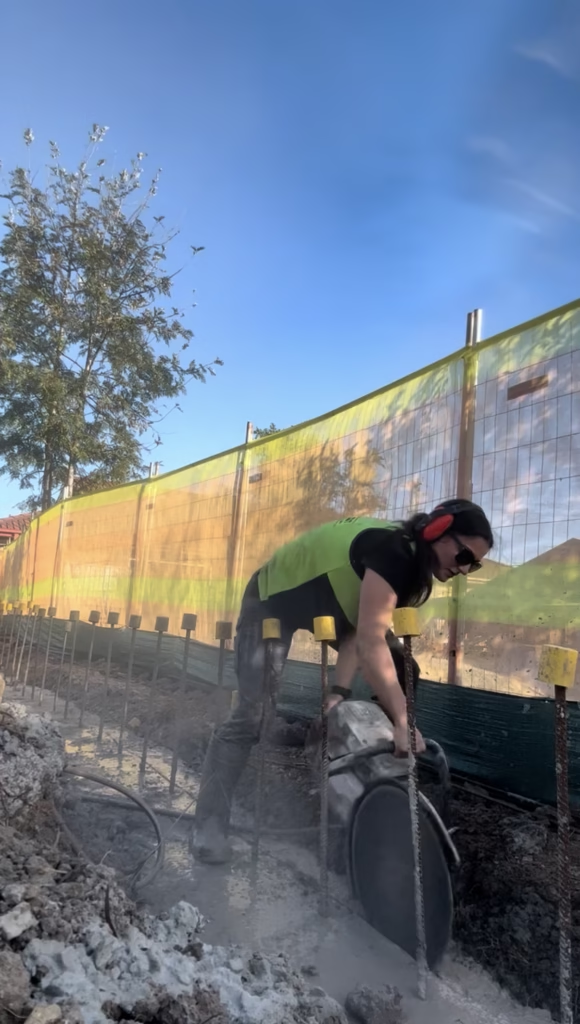
Flush cutting in concrete cutting is the process of cutting concrete, steel, pipes, bolts, piles, or other protrusions as close as possible to an adjacent surface, leaving little or no material sticking out.
How Is Flush Cutting Done?
Depending on the situation, contractors may use:
Wall/Track Saws
- Special flush-cut blade guards allow the blade to cut very close to a wall or slab.
- Common for structural concrete.
Ring Saws
- Used where a wall saw won’t fit.
- Can cut deeper than conventional hand saws.
Wire Saws
- Ideal for very large structures.
- Can cut almost perfectly flush because the wire has no central hub.
Handheld Diamond Saws
- Used for smaller flush-cutting jobs.
Common Flush-Cutting Applications
Removing Concrete Piles
One of the most common uses.
- Cut bored piles or sheet piles down to the required level.
- Leave the pile flush with the footing or slab.
Cutting Off Anchor Bolts and Reinforcing Steel
- Remove protruding anchor bolts.
- Trim starter bars and reinforcement.
- Leave a smooth surface ready for finishing.
Door and Window Openings
- Remove remaining concrete nibs after wall sawing.
- Make openings flush with adjoining surfaces.
Bridge and Infrastructure Work
- Remove damaged concrete sections.
- Cut protruding reinforcement.
- Trim structures during repair and widening works.
Pipe Removal
- Cut steel or concrete pipes flush with walls, slabs, or structures.

Why Flush Cutting Is Important
✅ Leaves a flat, clean surface
✅ Reduces grinding and patching work
✅ Allows new concrete to be poured against the surface
✅ Improves appearance and finish quality
✅ Essential for many repair and demolition projects
Example
Imagine a bridge widening project where a concrete barrier has been removed. After the main section is wall-sawed away, there may be small concrete stubs and reinforcing steel left behind. Flush cutting is used to trim these back level with the bridge deck so the new barrier can be installed.
In the concrete-cutting industry, flush cutting is often considered a specialized finishing operation that follows core drilling, wall sawing, or wire sawing to leave the structure ready for the next stage of construction.