
Flush Cutting Sydney
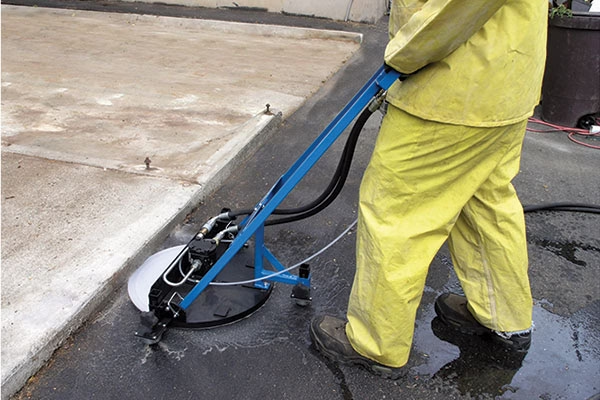
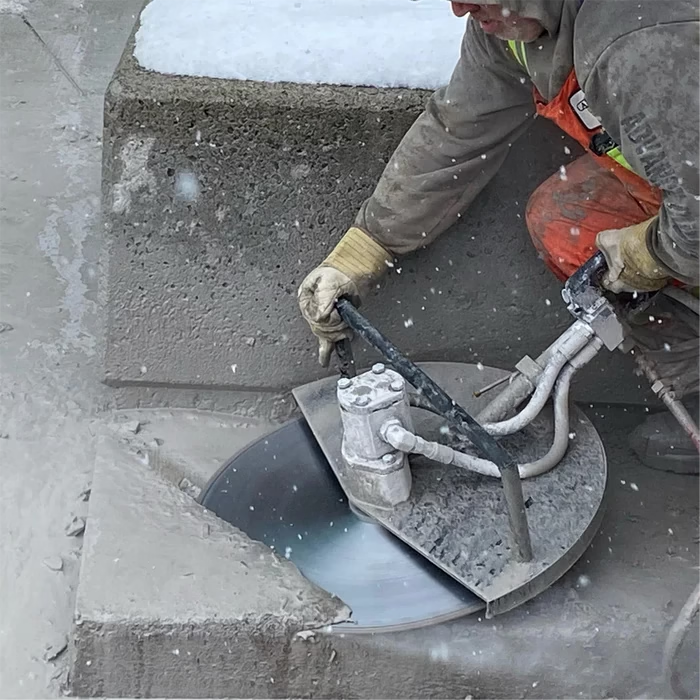
Flush cutting in concrete cutting is the process of cutting concrete, steel, pipes, bolts, piles, or other protrusions as close as possible to an adjacent surface, leaving little or no material sticking out.
How Is Flush Cutting Done?
Depending on the situation, contractors may use:
Wall/Track Saws
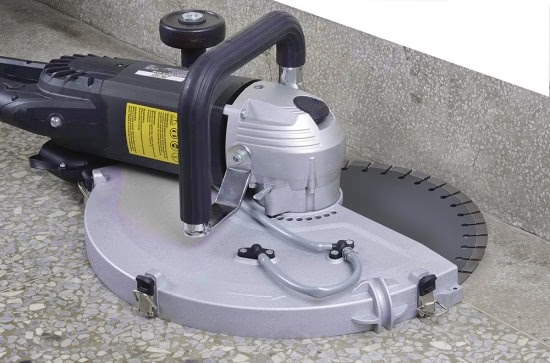
- Special flush-cut blade guards allow the blade to cut very close to a wall or slab.
- Common for structural concrete.
Ring Saws
- Used where a wall saw won’t fit.
- Can cut deeper than conventional hand saws.
Wire Saws
- Ideal for very large structures.
- Can cut almost perfectly flush because the wire has no central hub.
Handheld Diamond Saws
- Used for smaller flush-cutting jobs.
Common Flush-Cutting Applications
Removing Concrete Piles
One of the most common uses.
- Cut bored piles or sheet piles down to the required level.
- Leave the pile flush with the footing or slab.
Cutting Off Anchor Bolts and Reinforcing Steel
- Remove protruding anchor bolts.
- Trim starter bars and reinforcement.
- Leave a smooth surface ready for finishing.
Door and Window Openings
- Remove remaining concrete nibs after wall sawing.
- Make openings flush with adjoining surfaces.
Bridge and Infrastructure Work
- Remove damaged concrete sections.
- Cut protruding reinforcement.
- Trim structures during repair and widening works.
Pipe Removal
- Cut steel or concrete pipes flush with walls, slabs, or structures.
Why Flush Cutting Is Important
✅ Leaves a flat, clean surface
✅ Reduces grinding and patching work
✅ Allows new concrete to be poured against the surface
✅ Improves appearance and finish quality
✅ Essential for many repair and demolition projects
Example
Imagine a bridge widening project where a concrete barrier has been removed. After the main section is wall-sawed away, there may be small concrete stubs and reinforcing steel left behind. Flush cutting is used to trim these back level with the bridge deck so the new barrier can be installed.
In the concrete-cutting industry, flush cutting is often considered a specialized finishing operation that follows core drilling, wall sawing, or wire sawing to leave the structure ready for the next stage of construction.