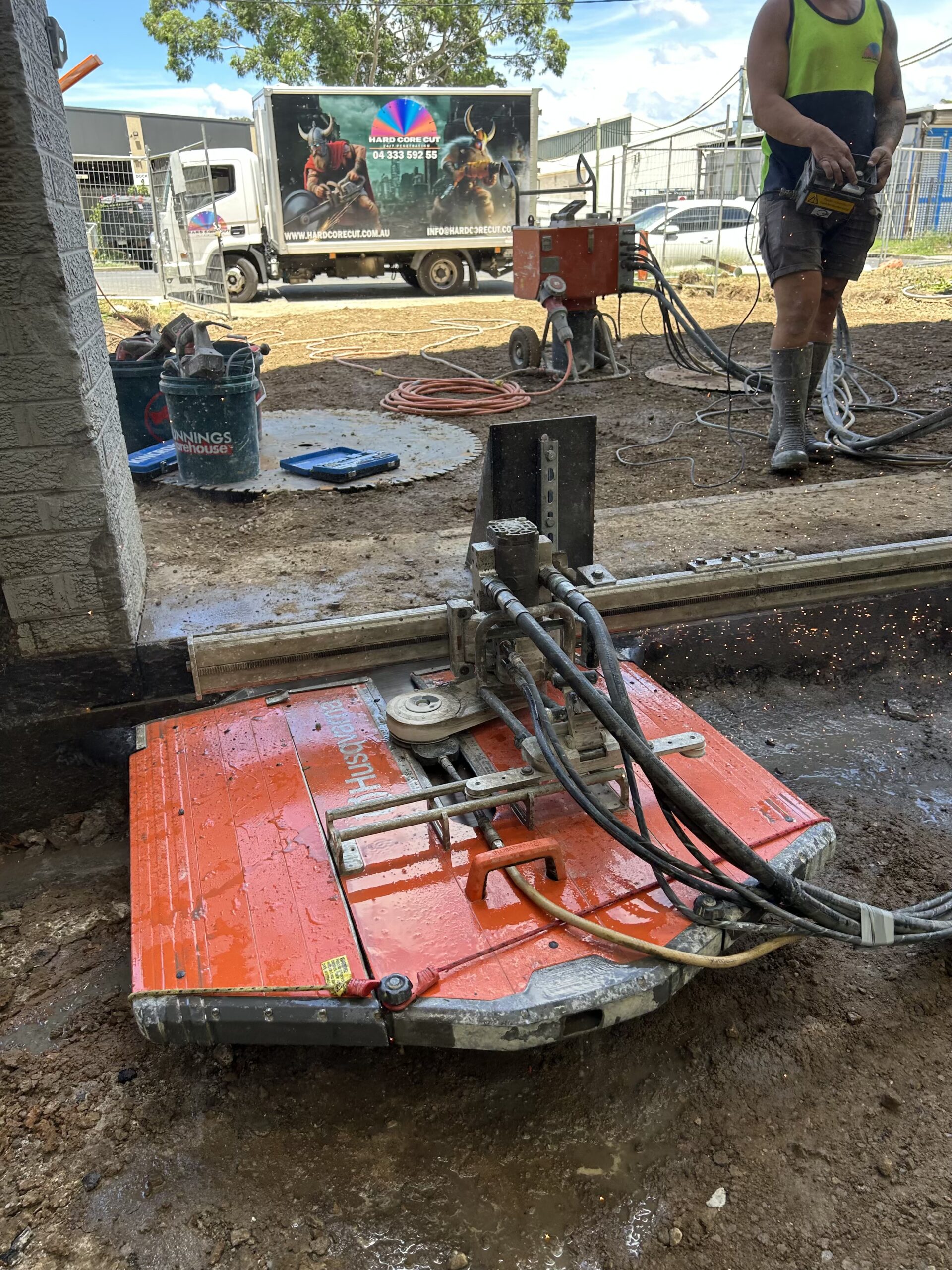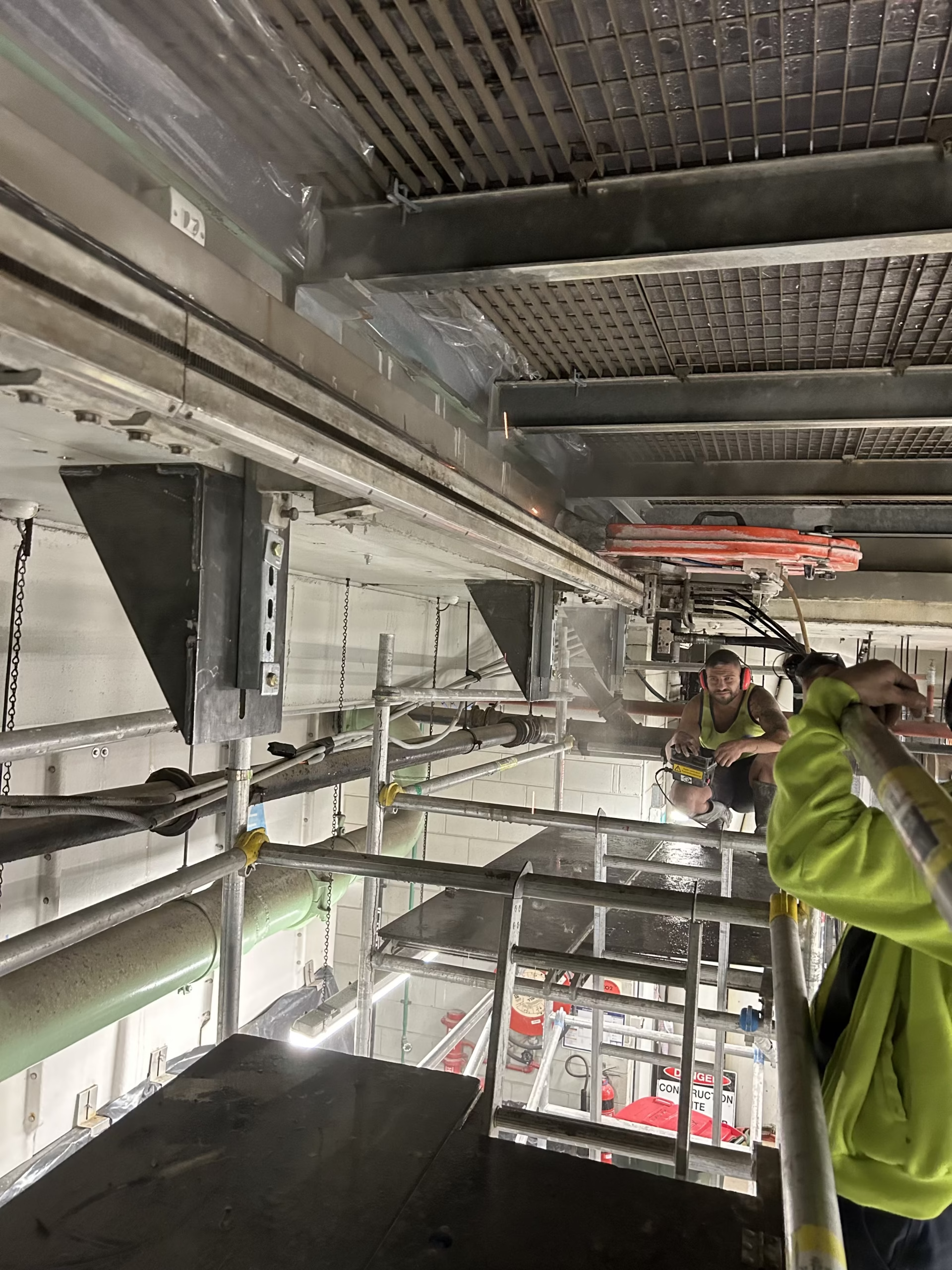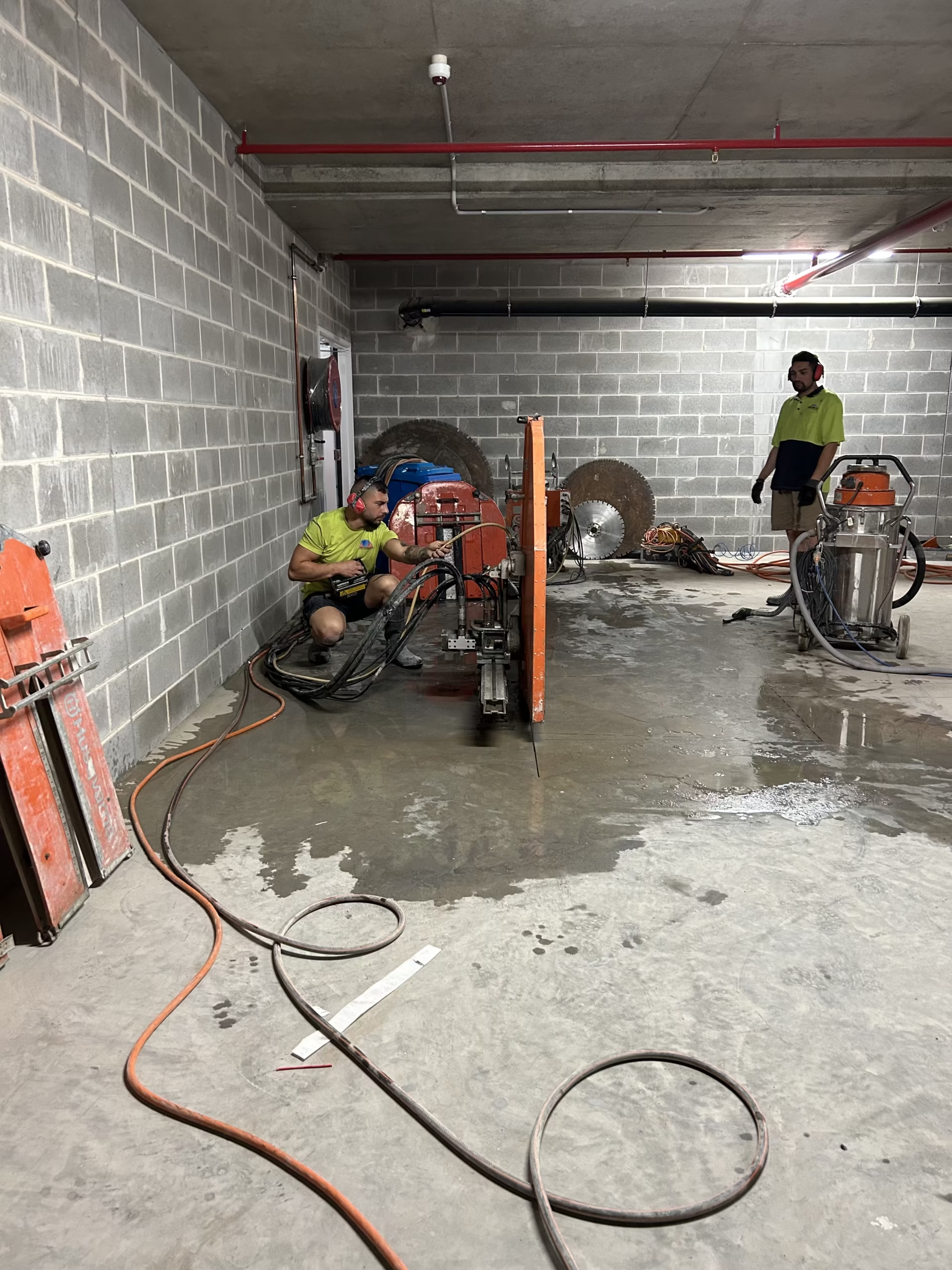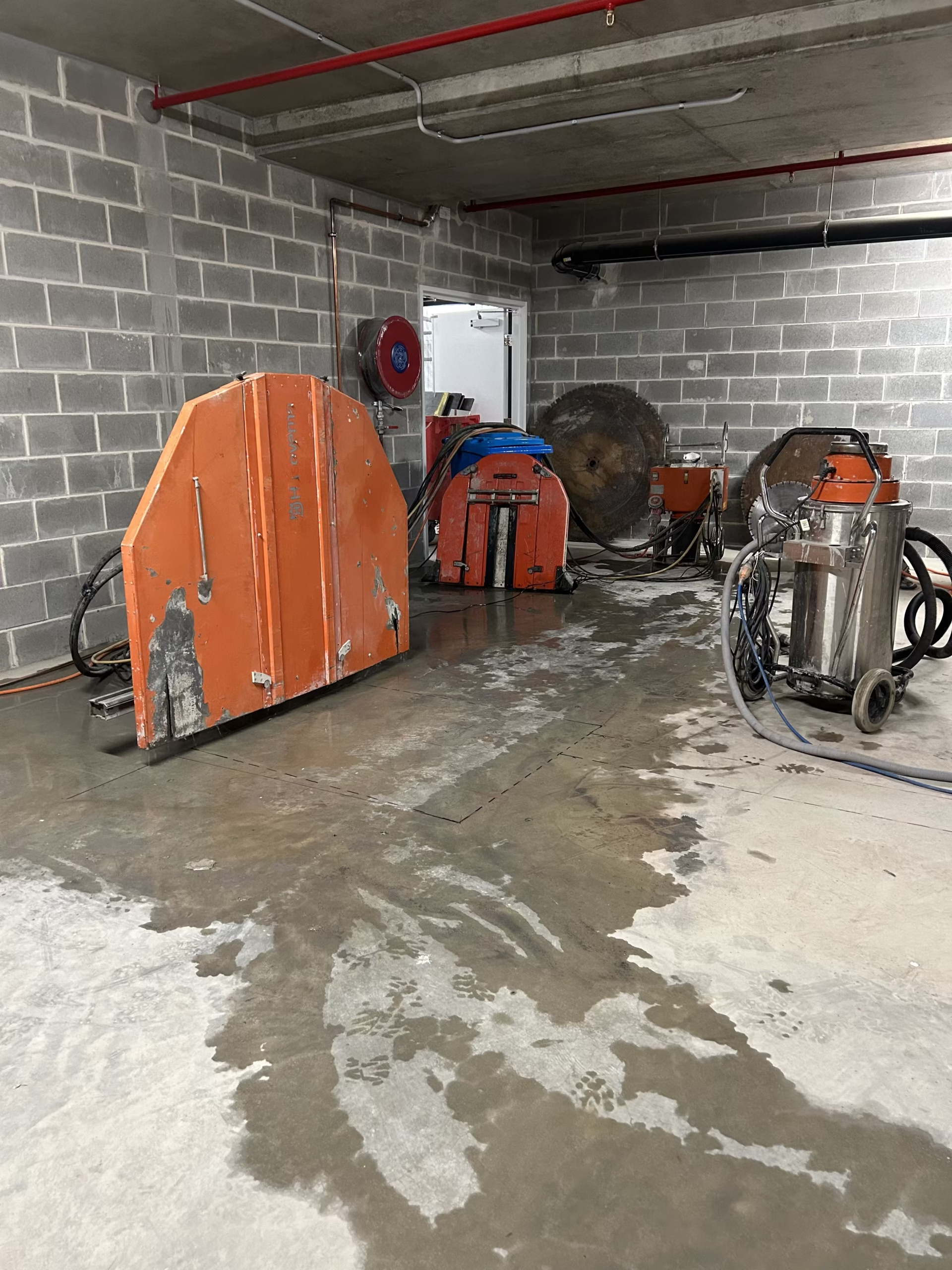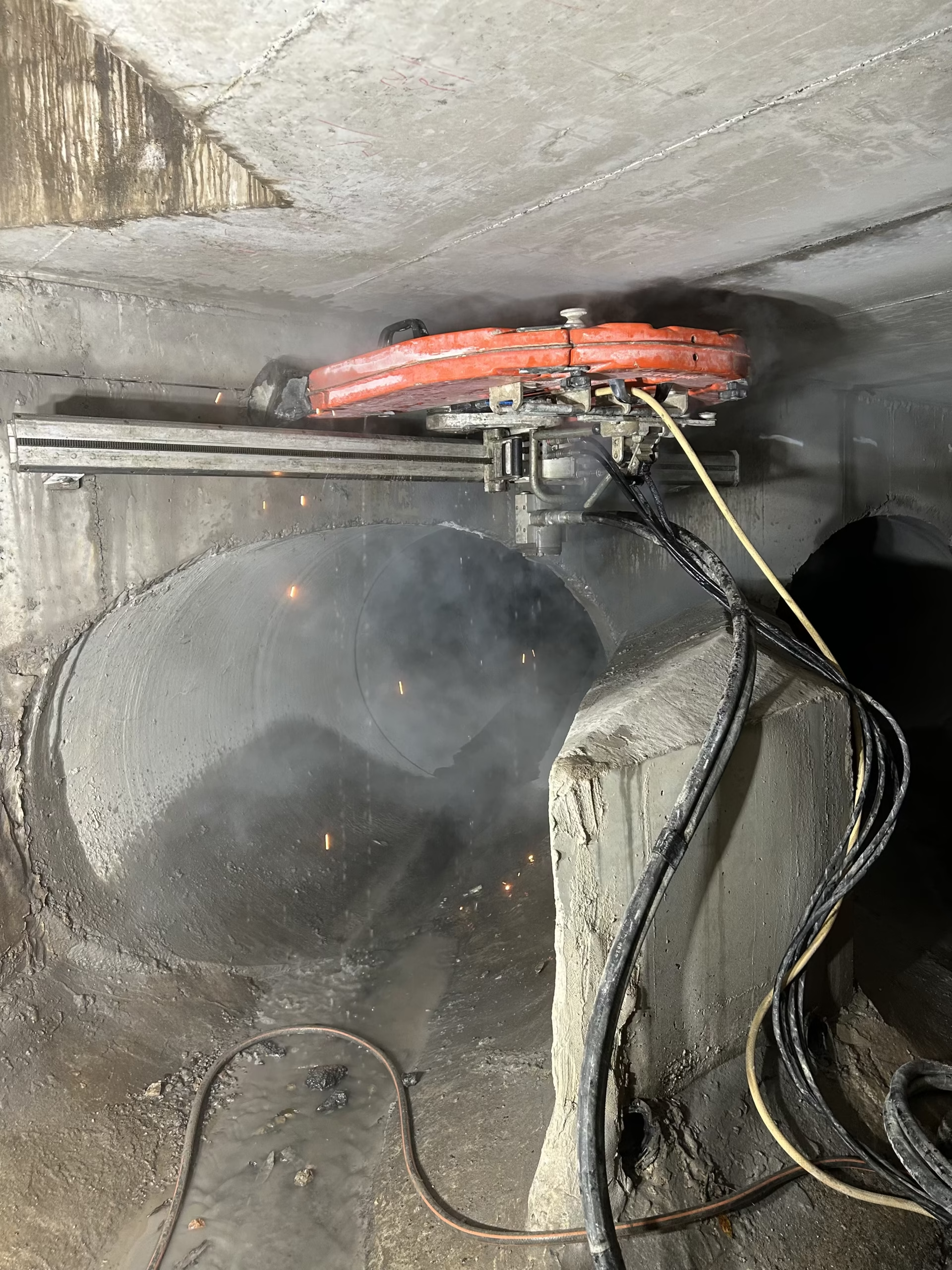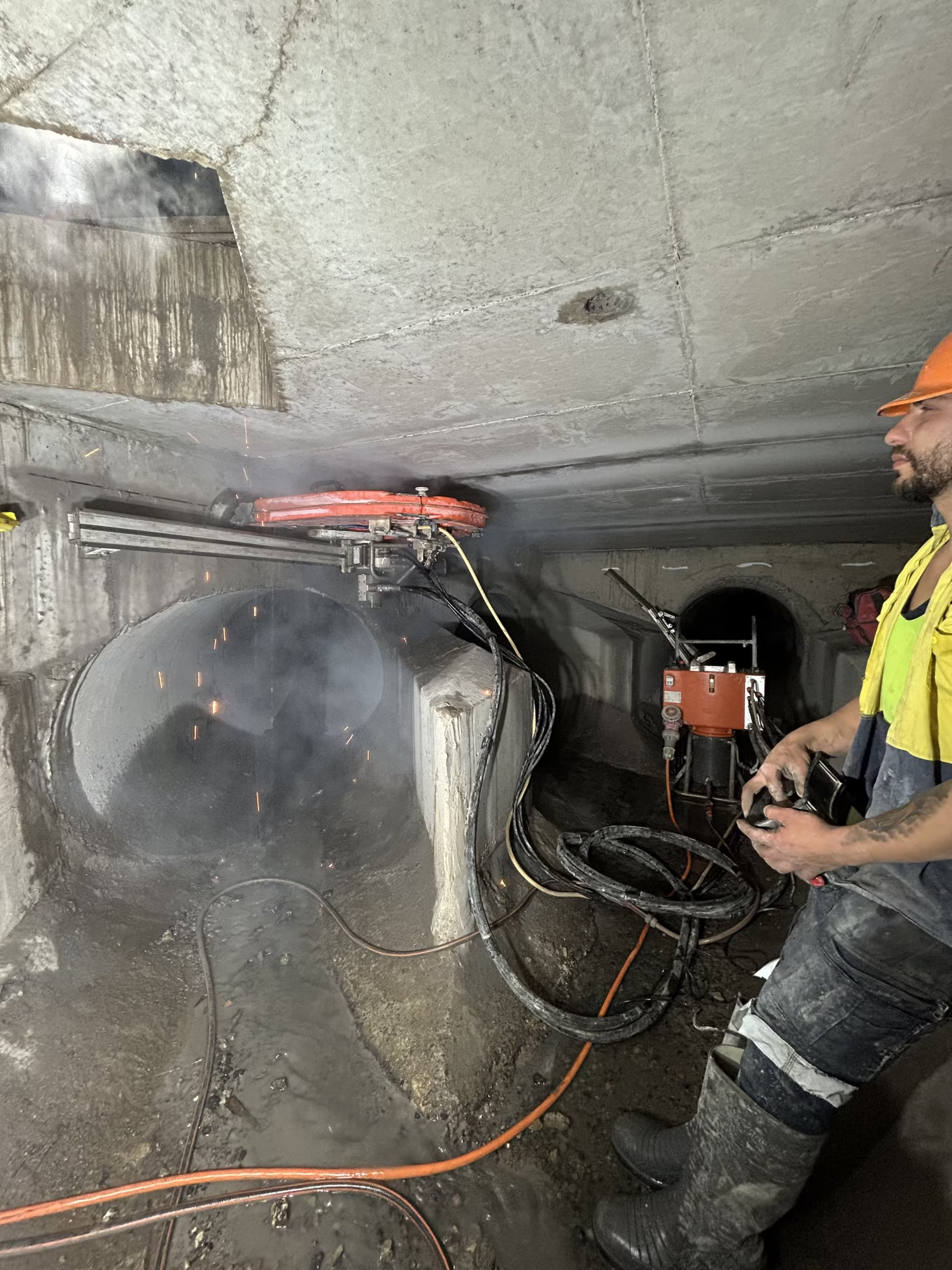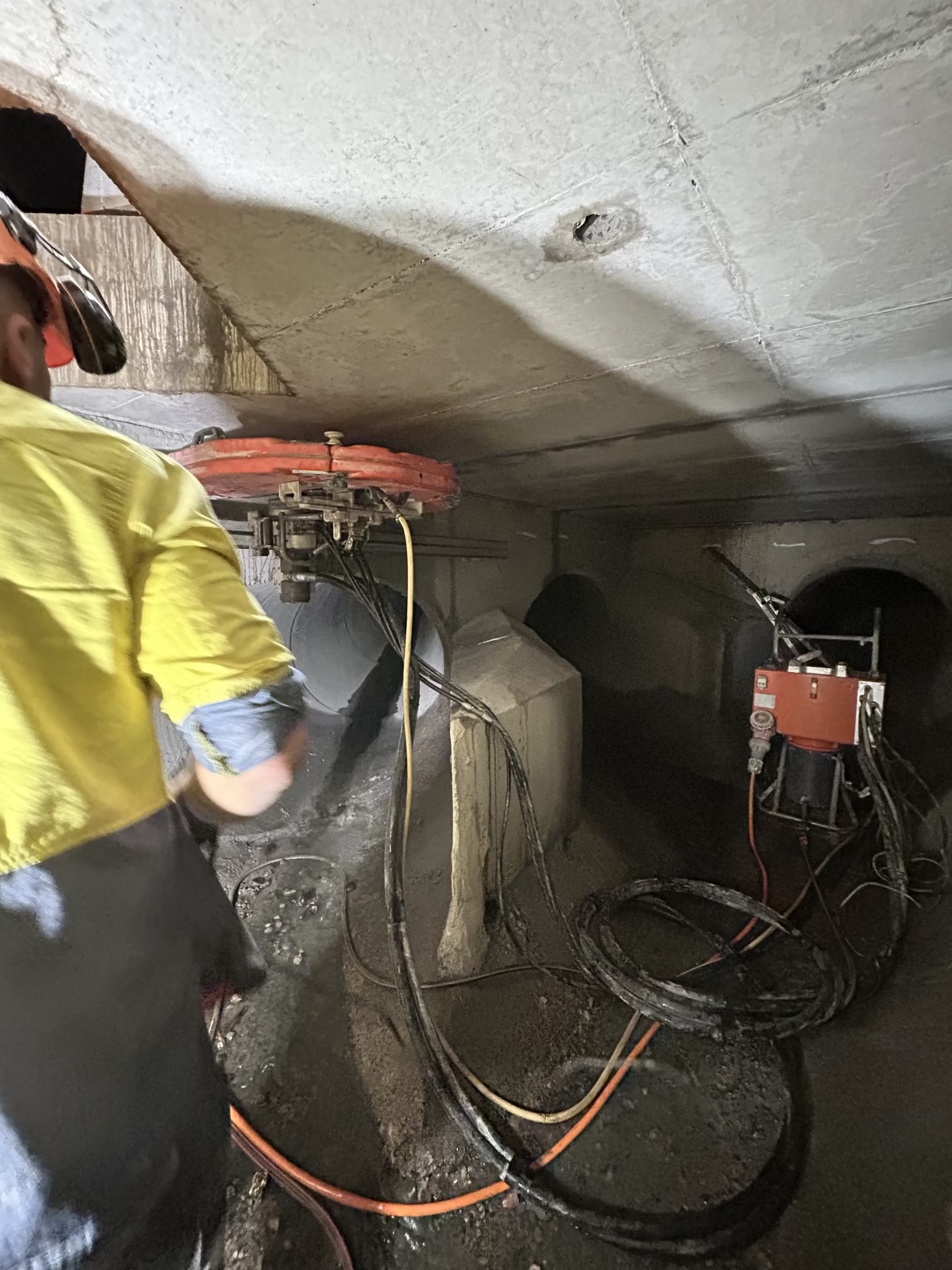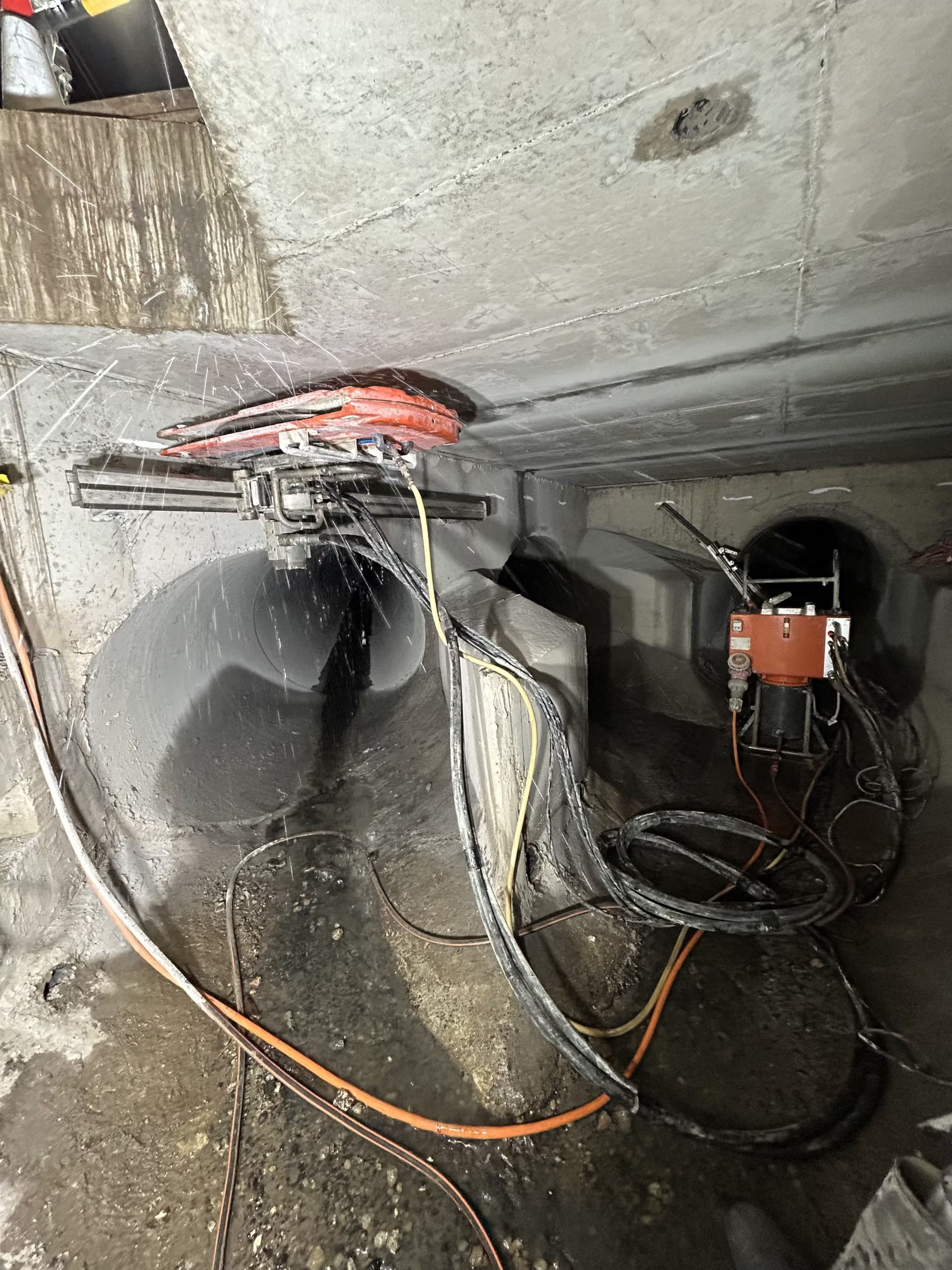
Concrete Tracksawing / Concrete Wallsawing
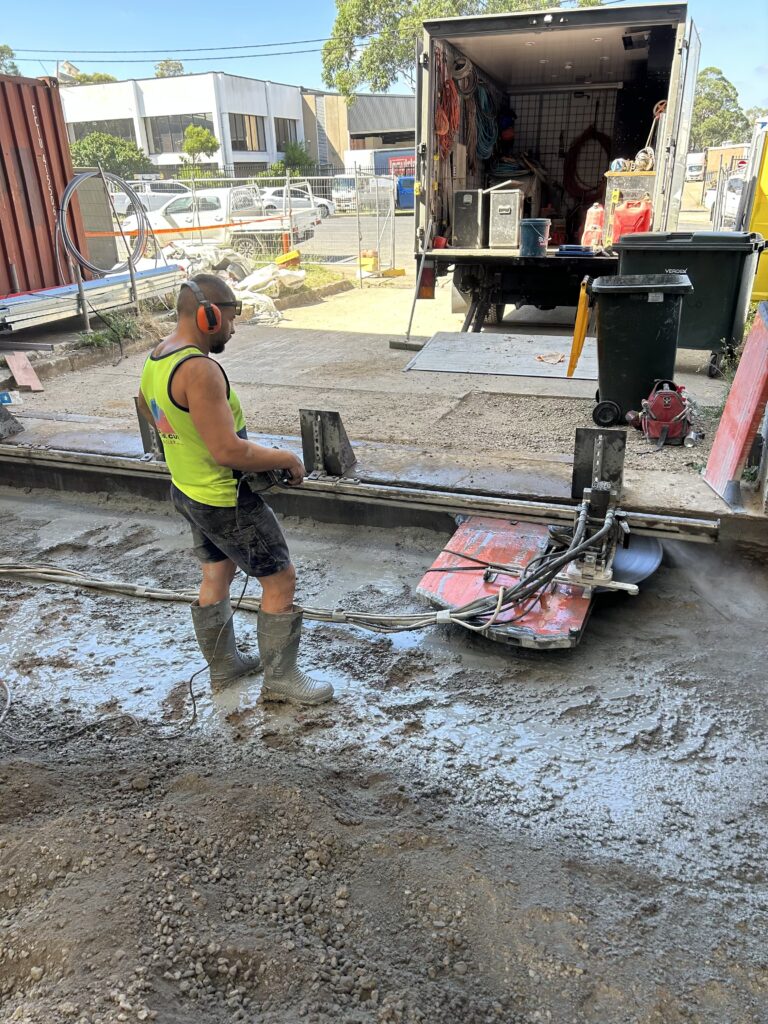
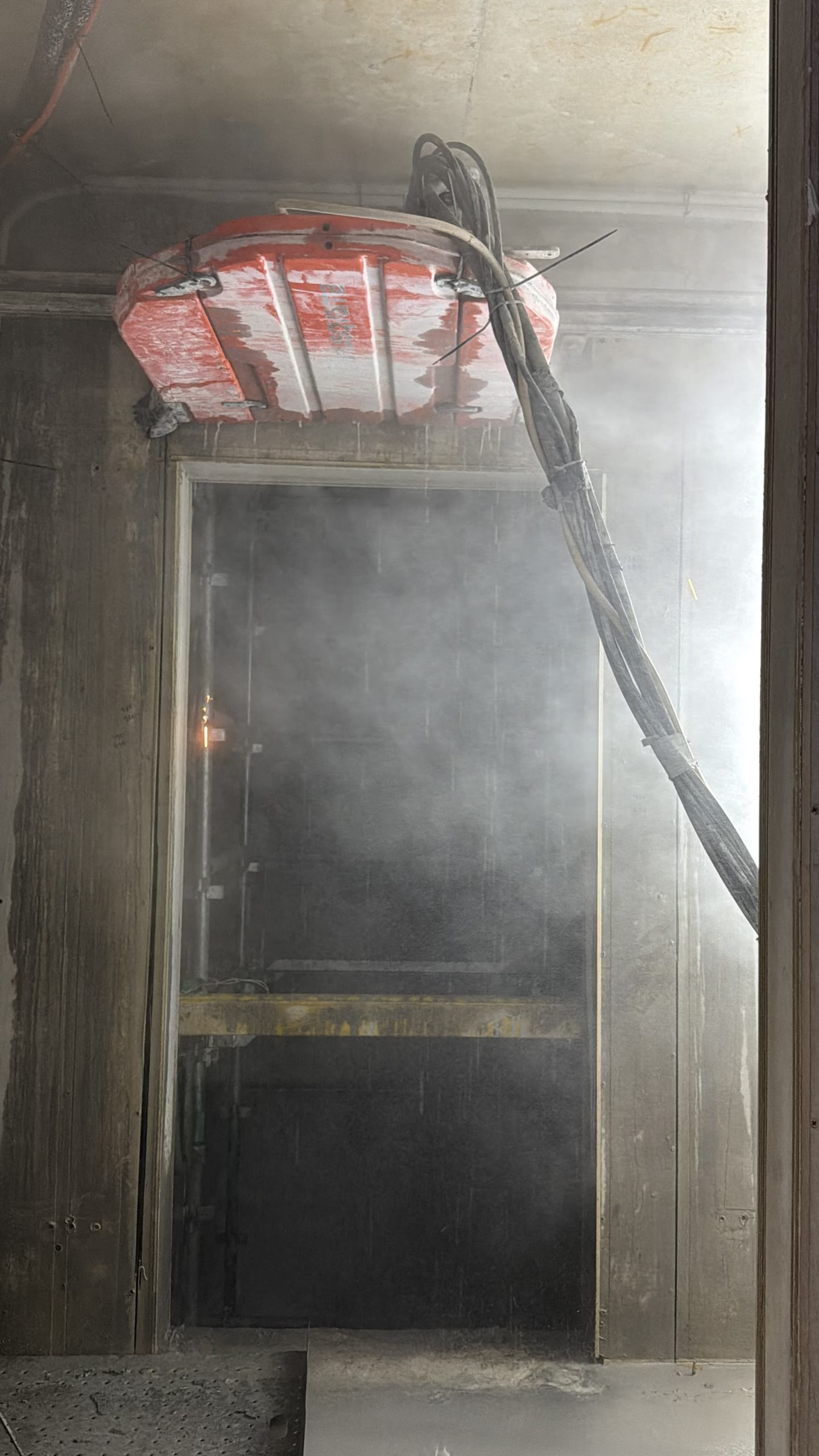
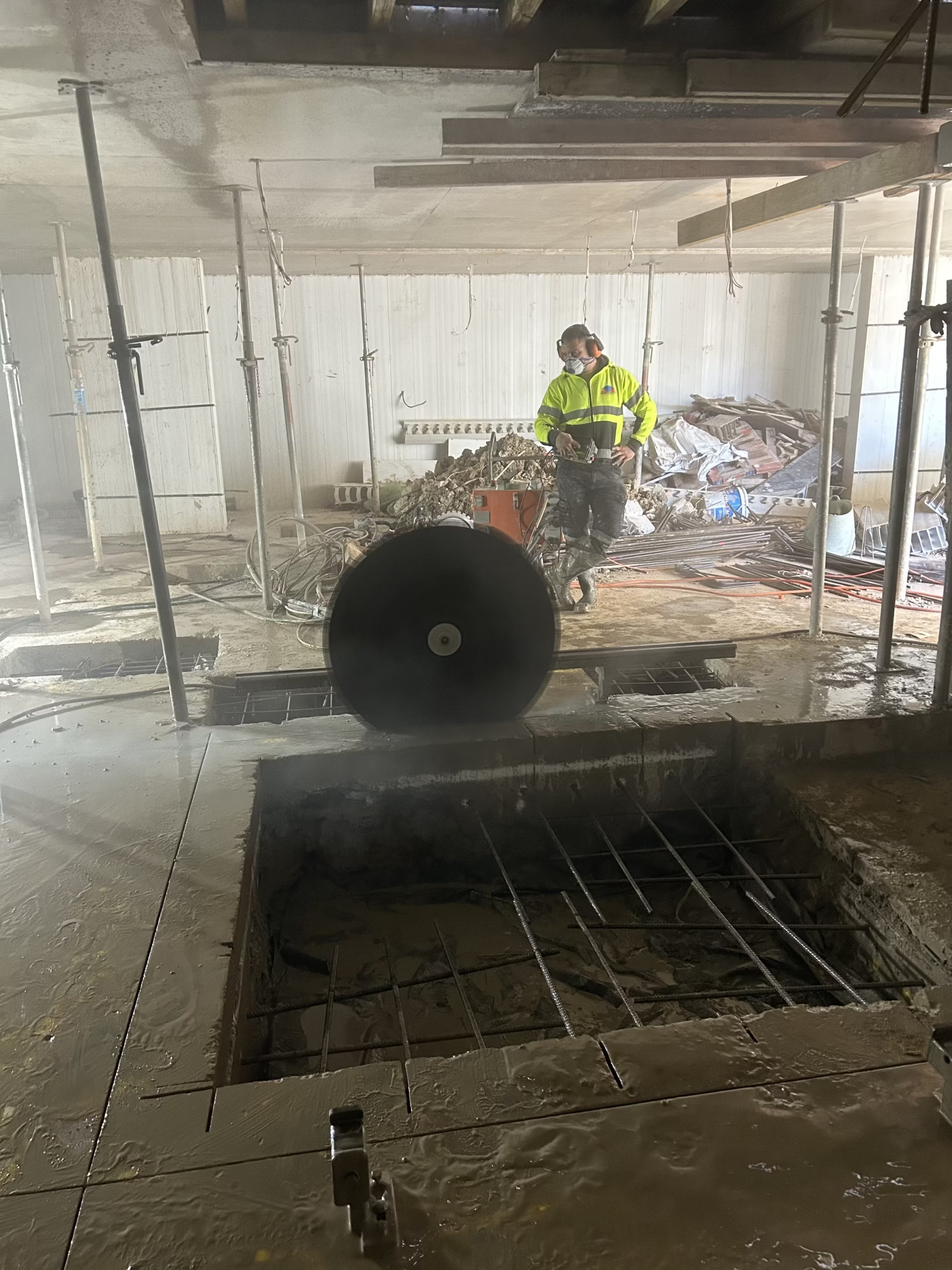
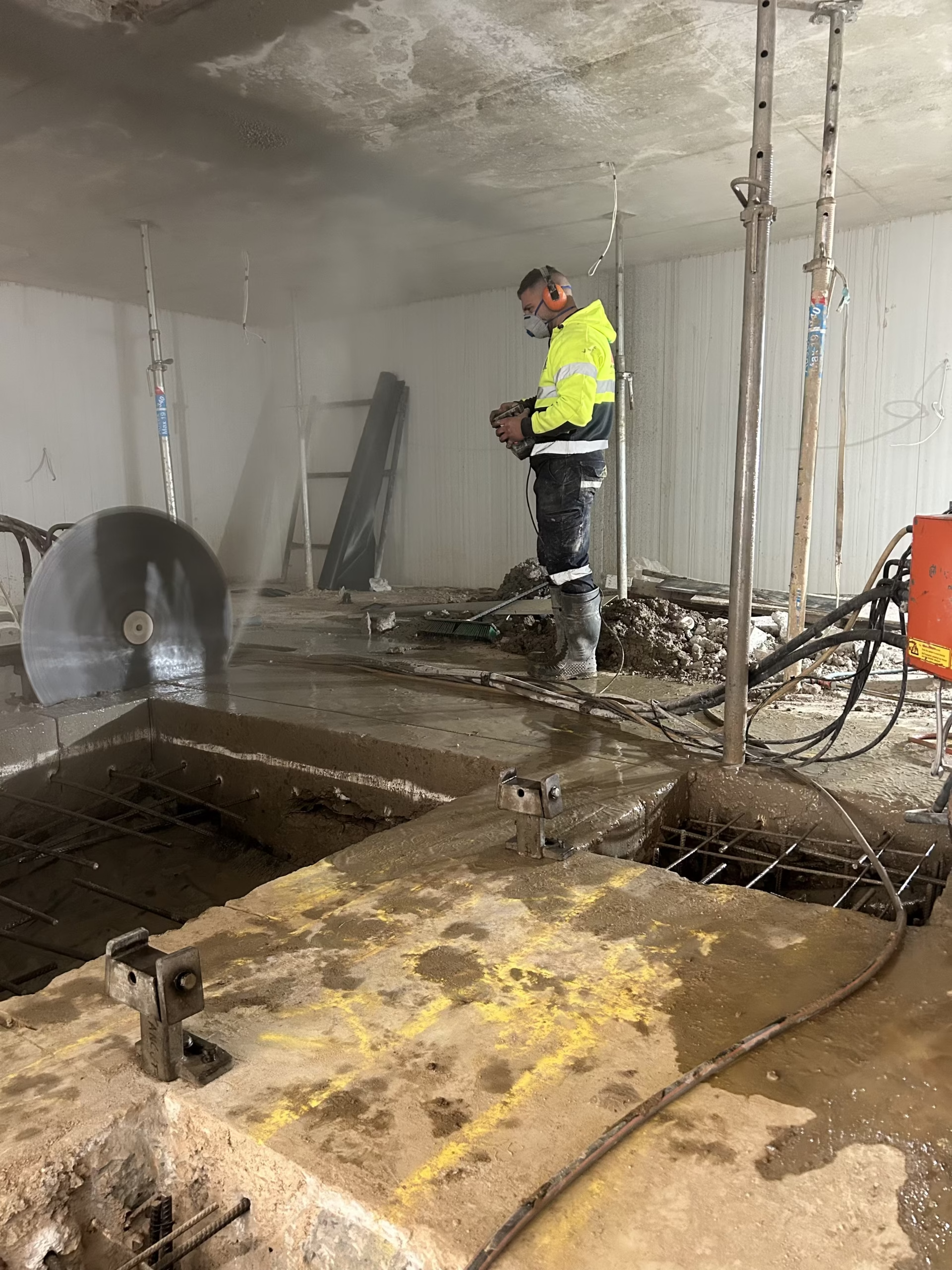
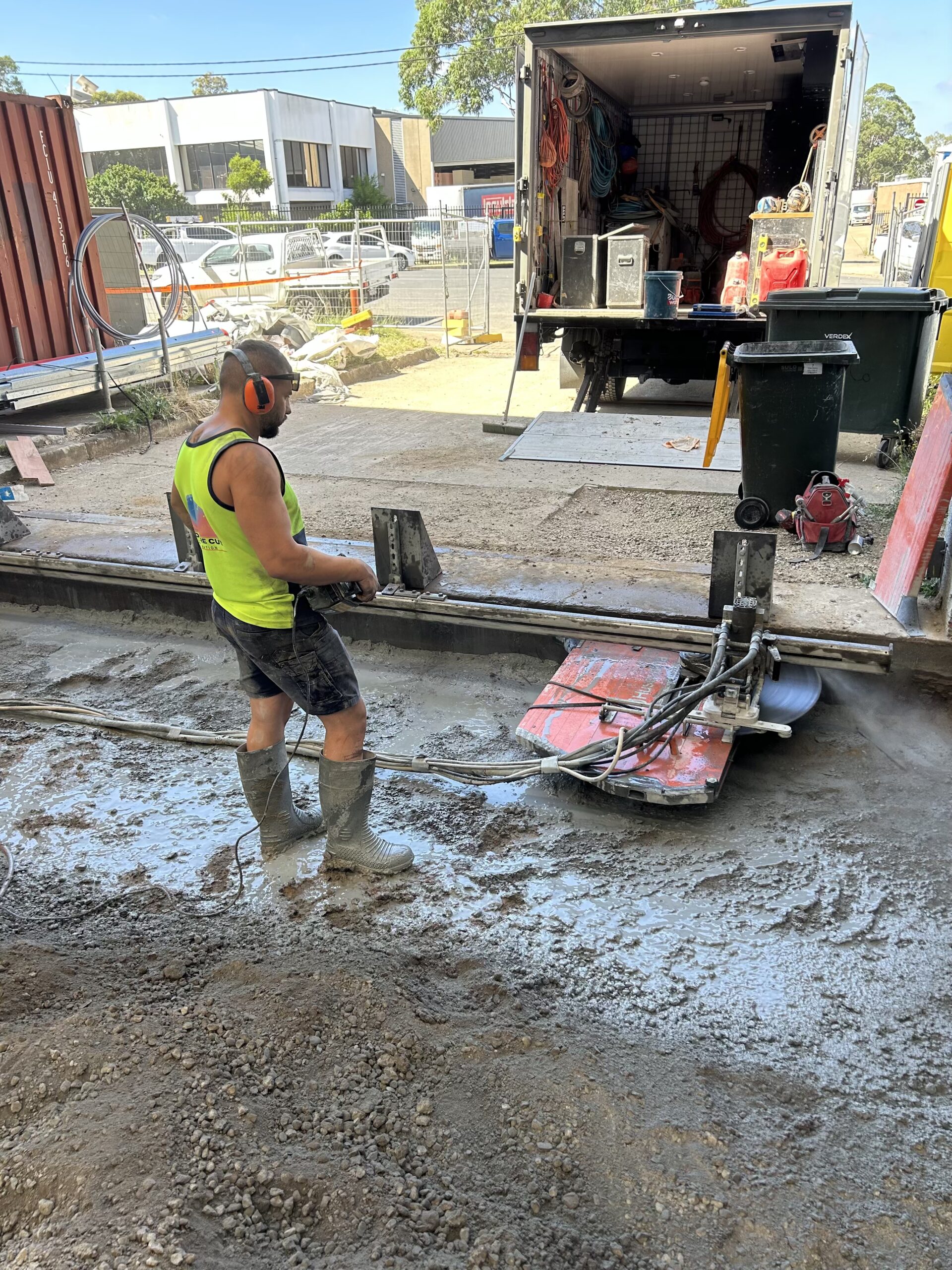
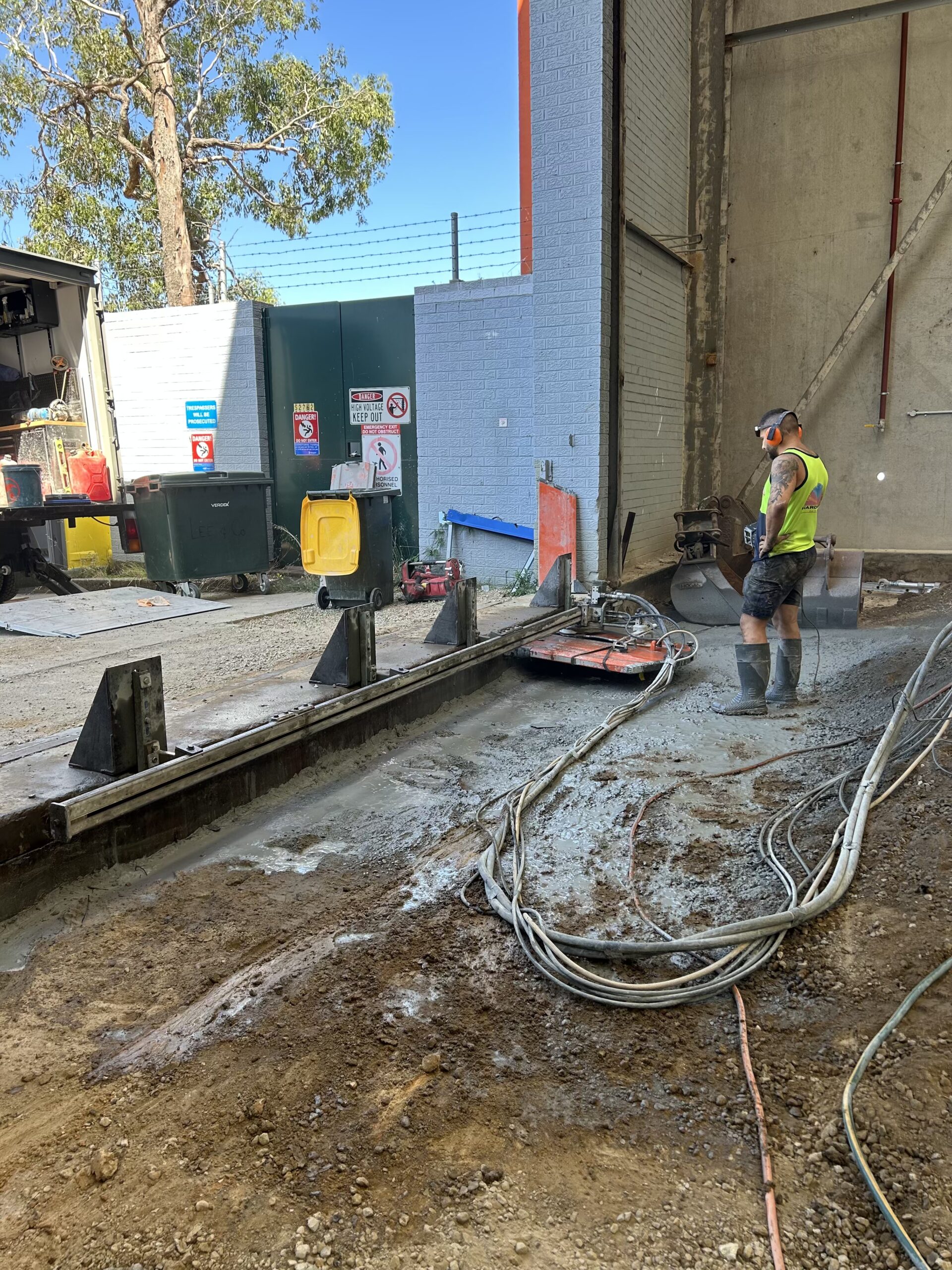
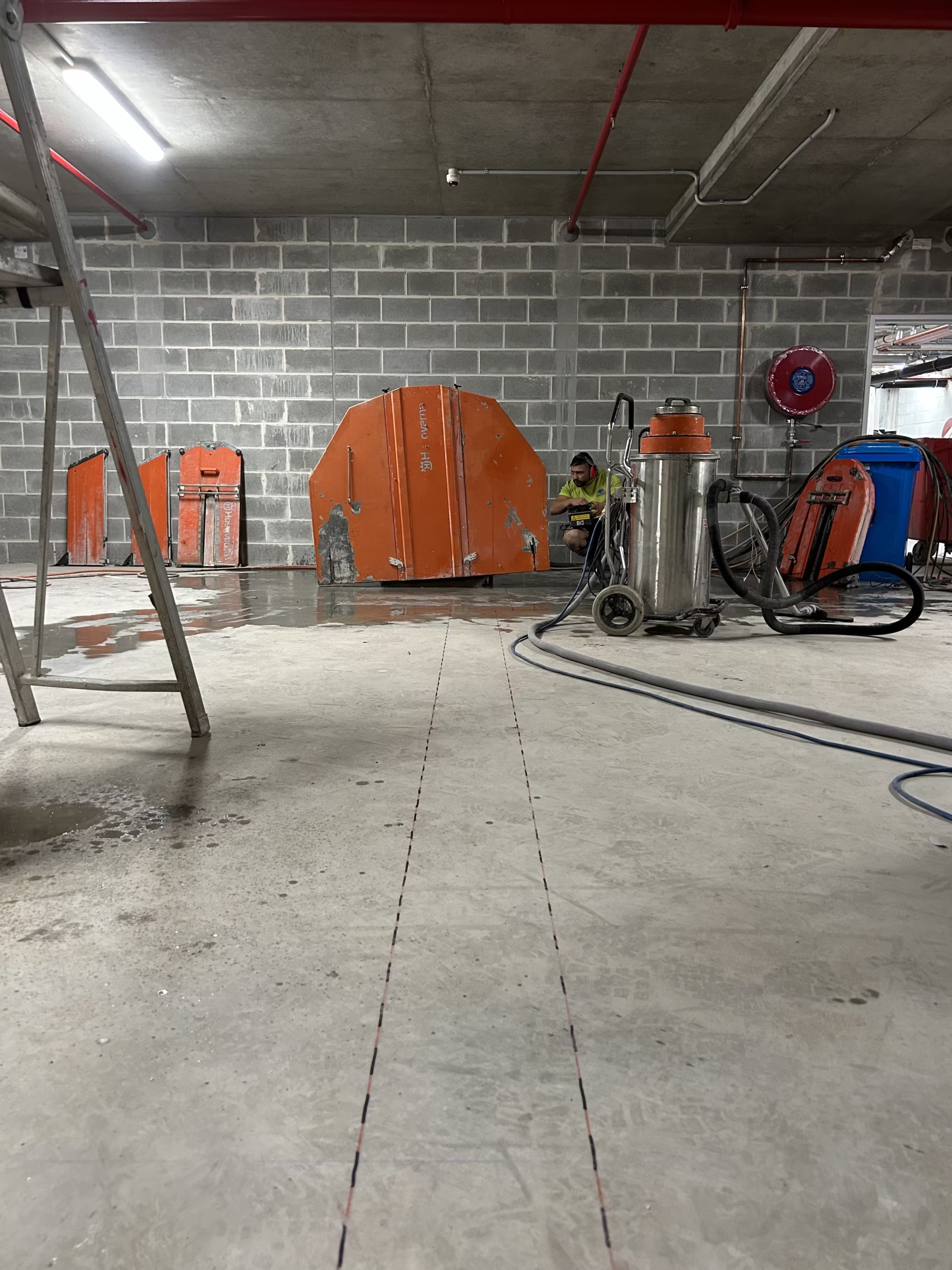
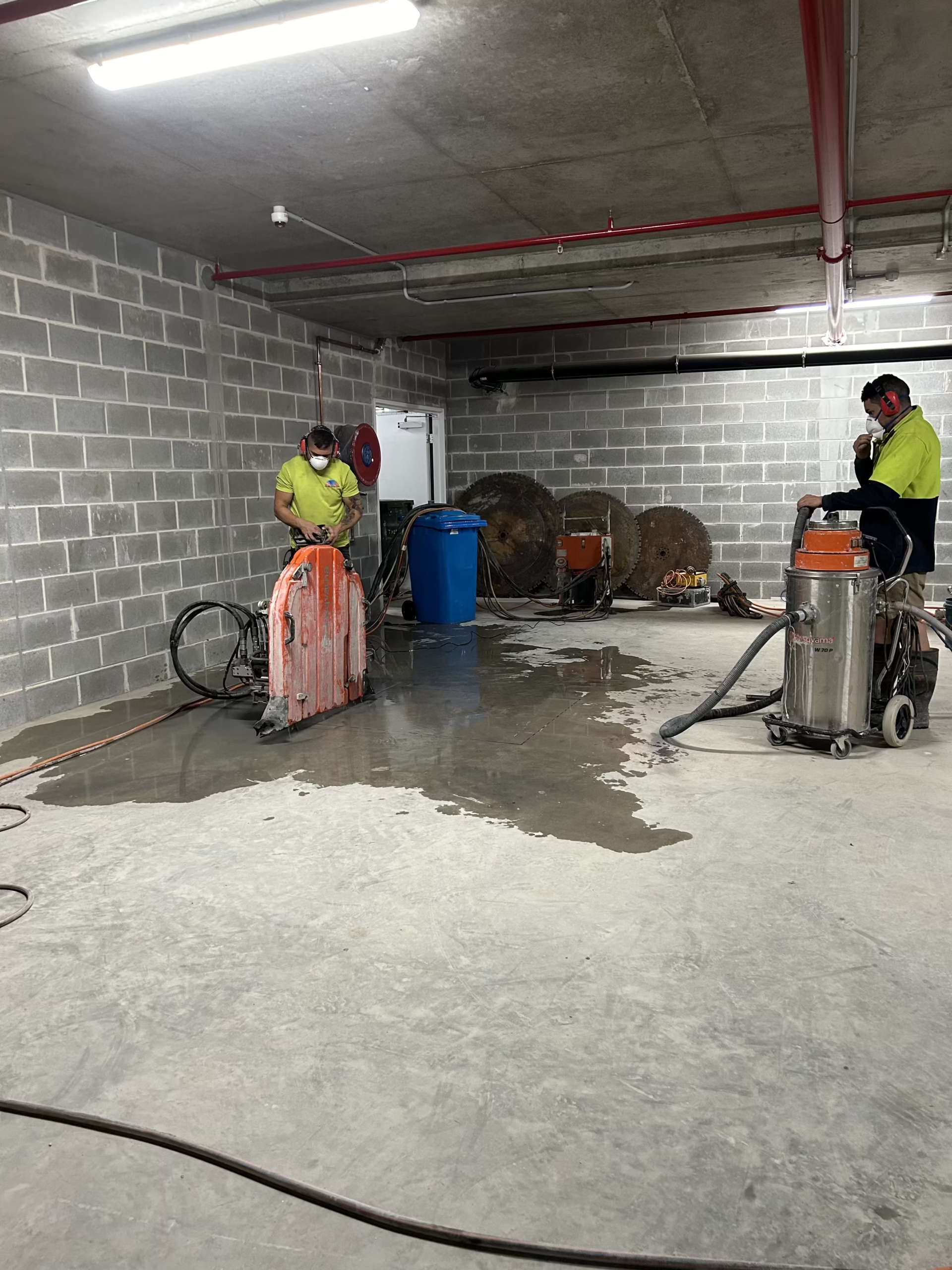
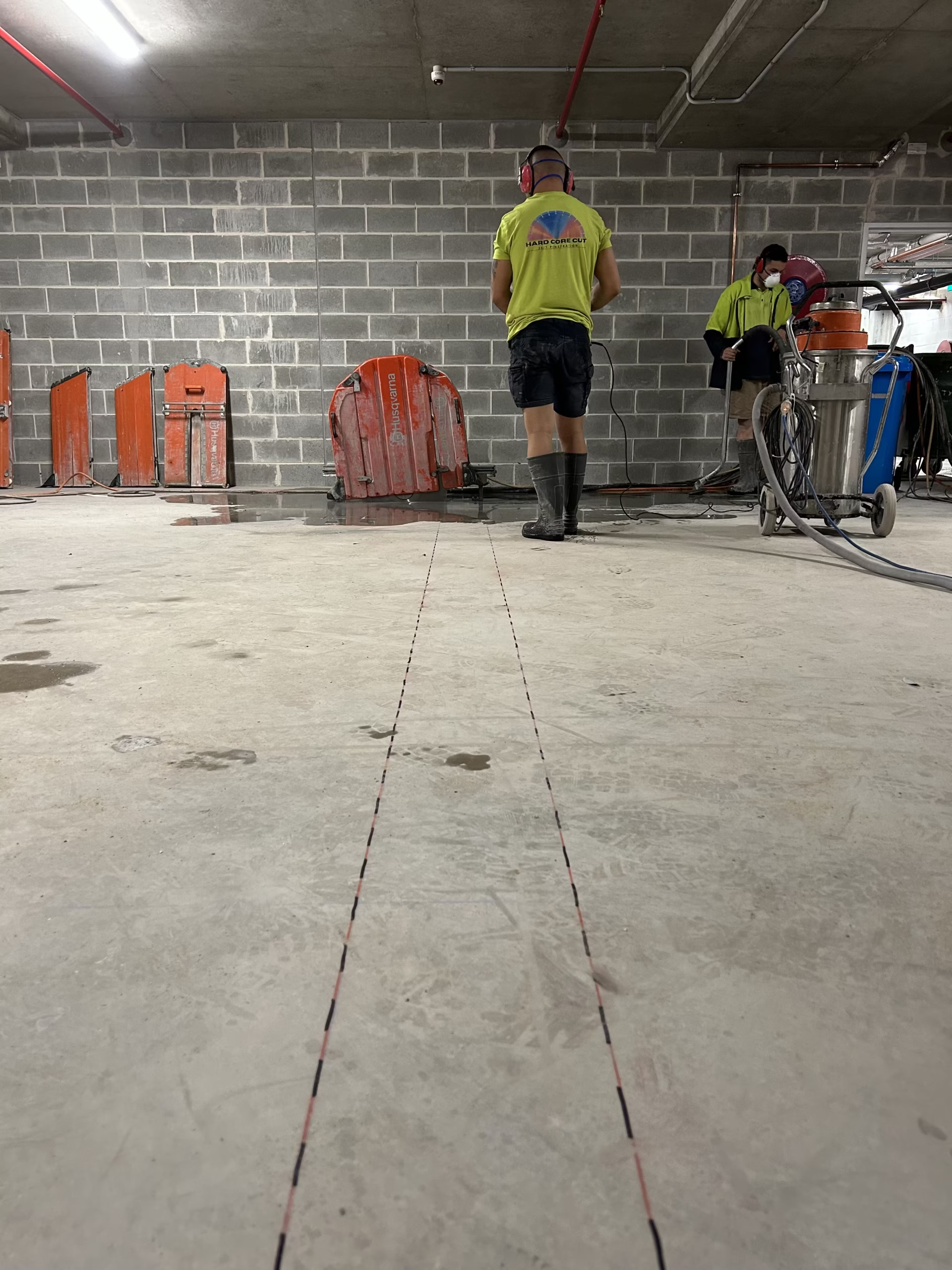
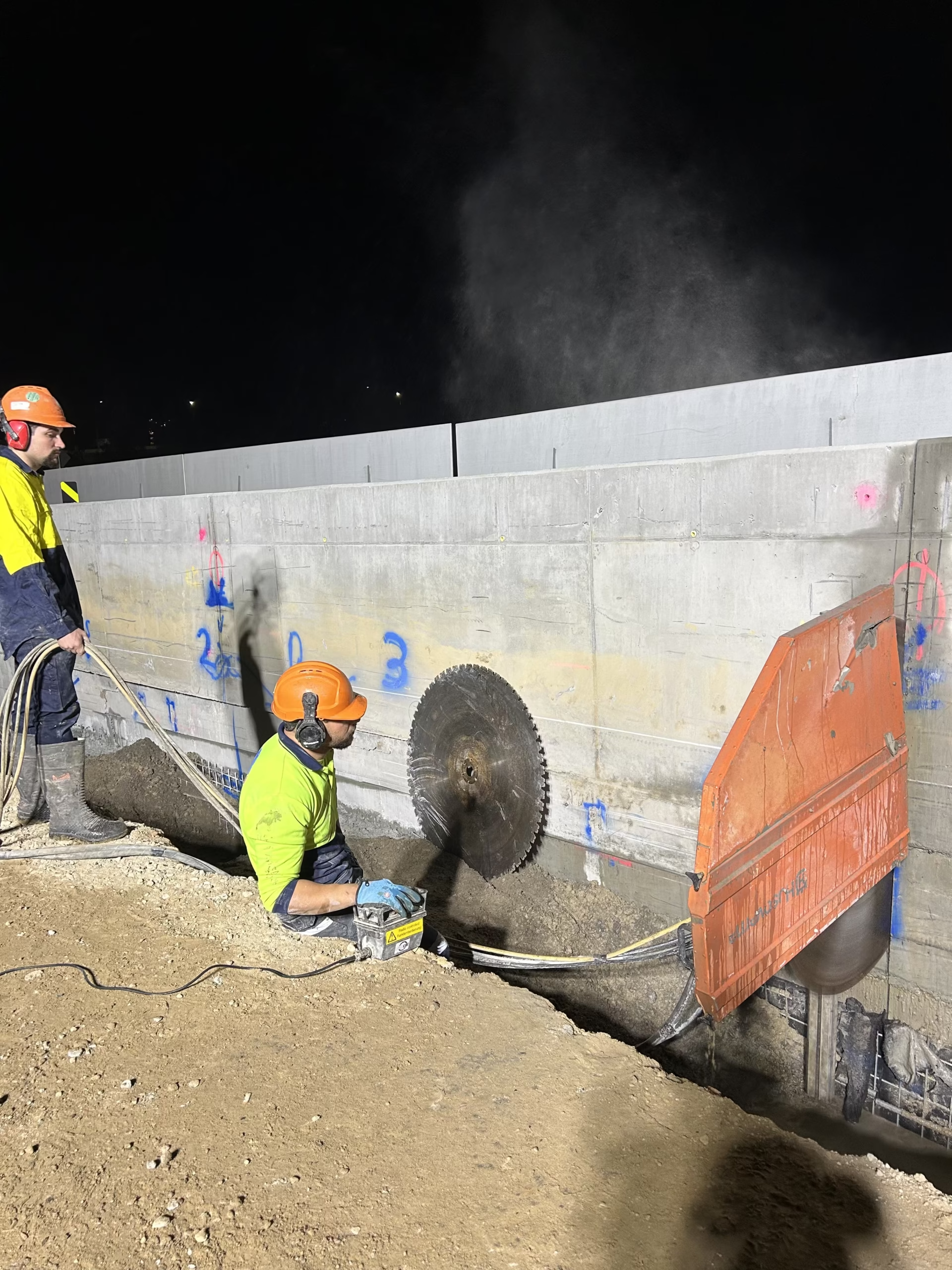
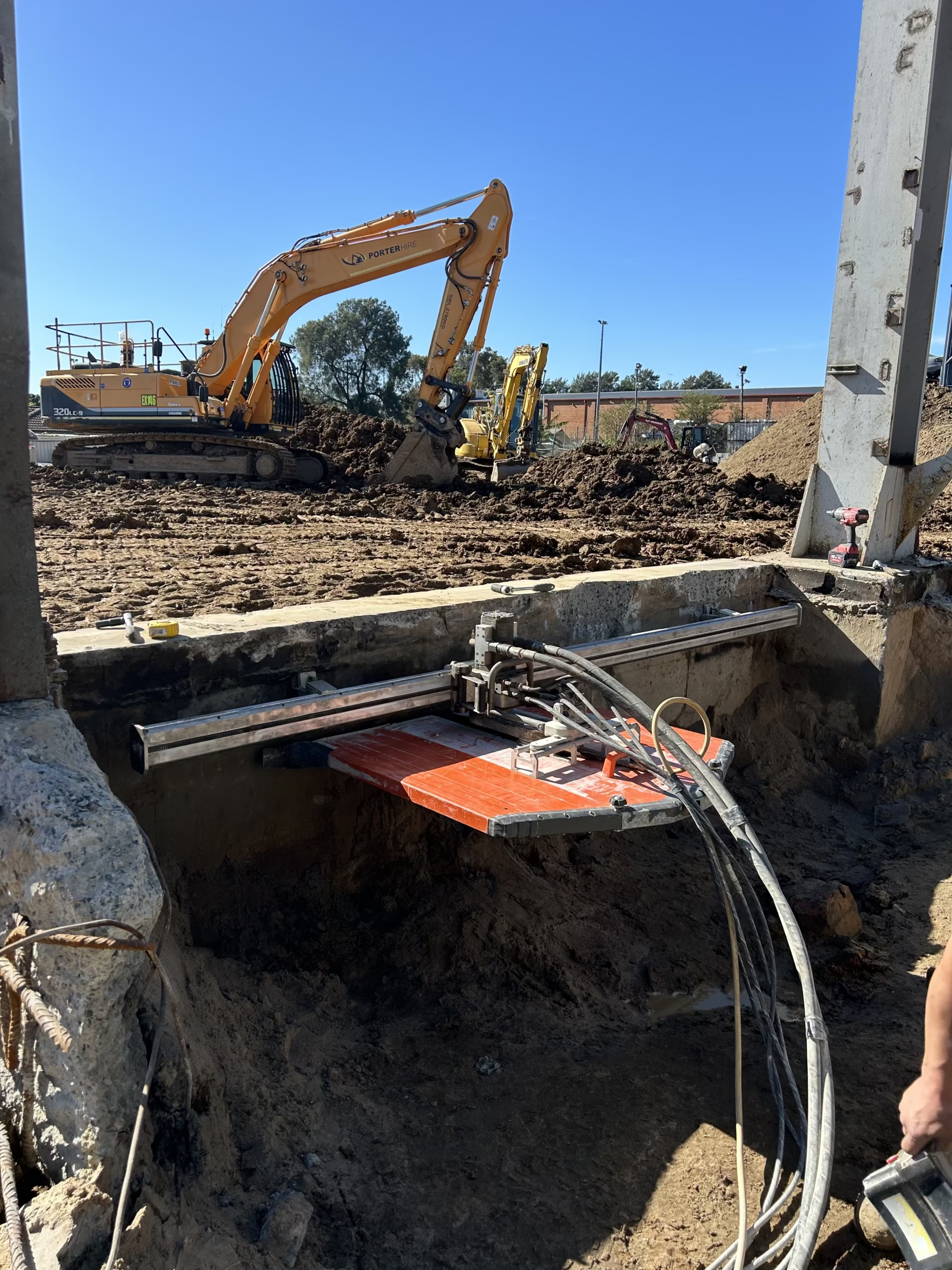
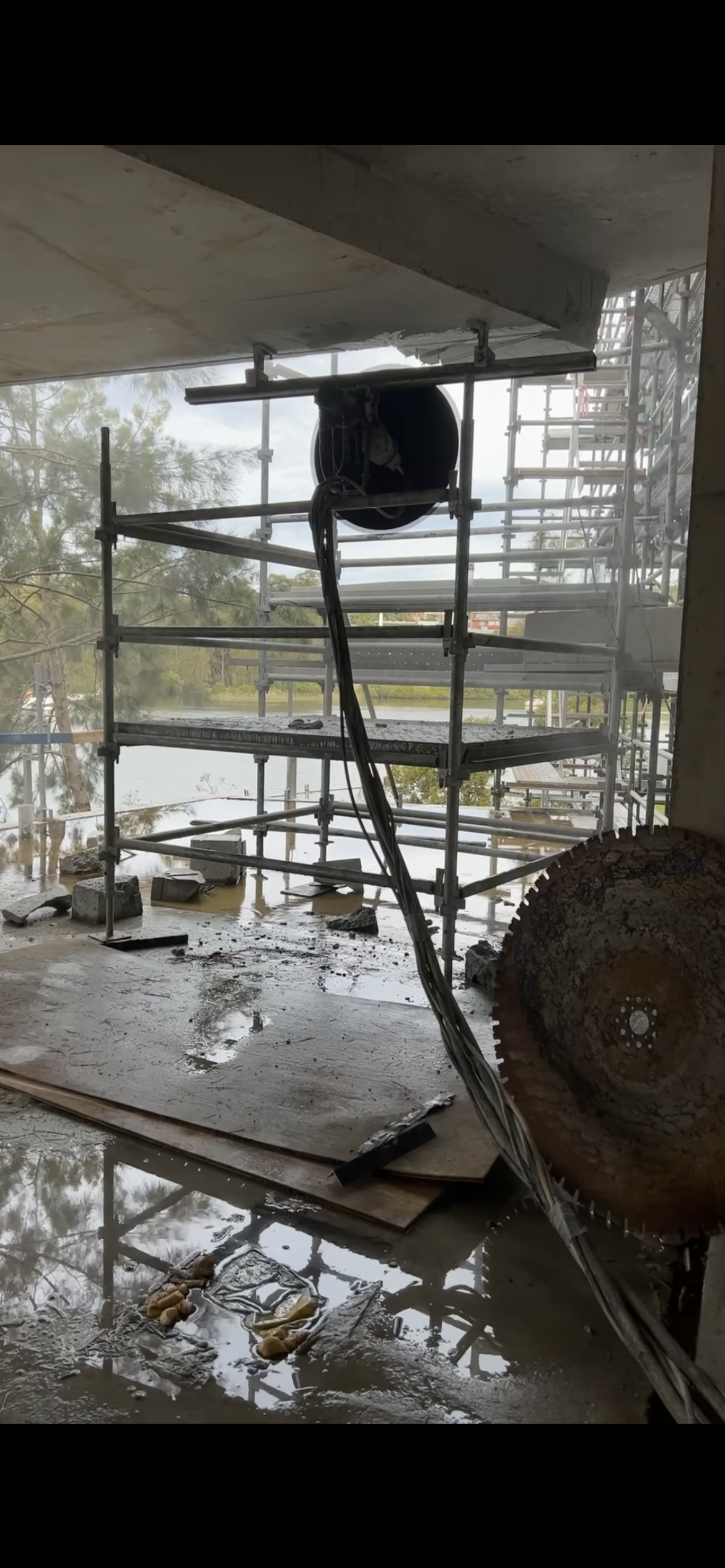
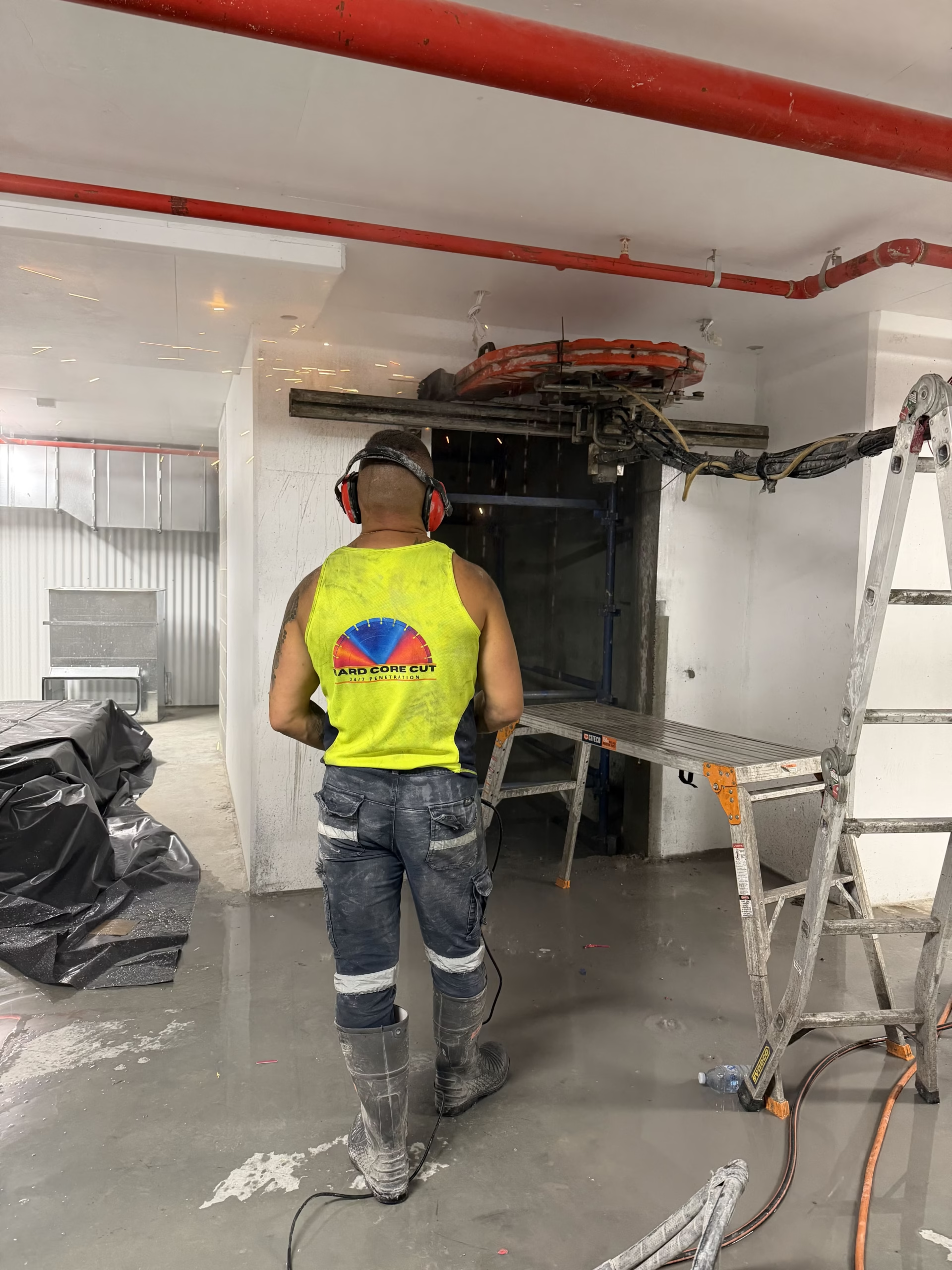
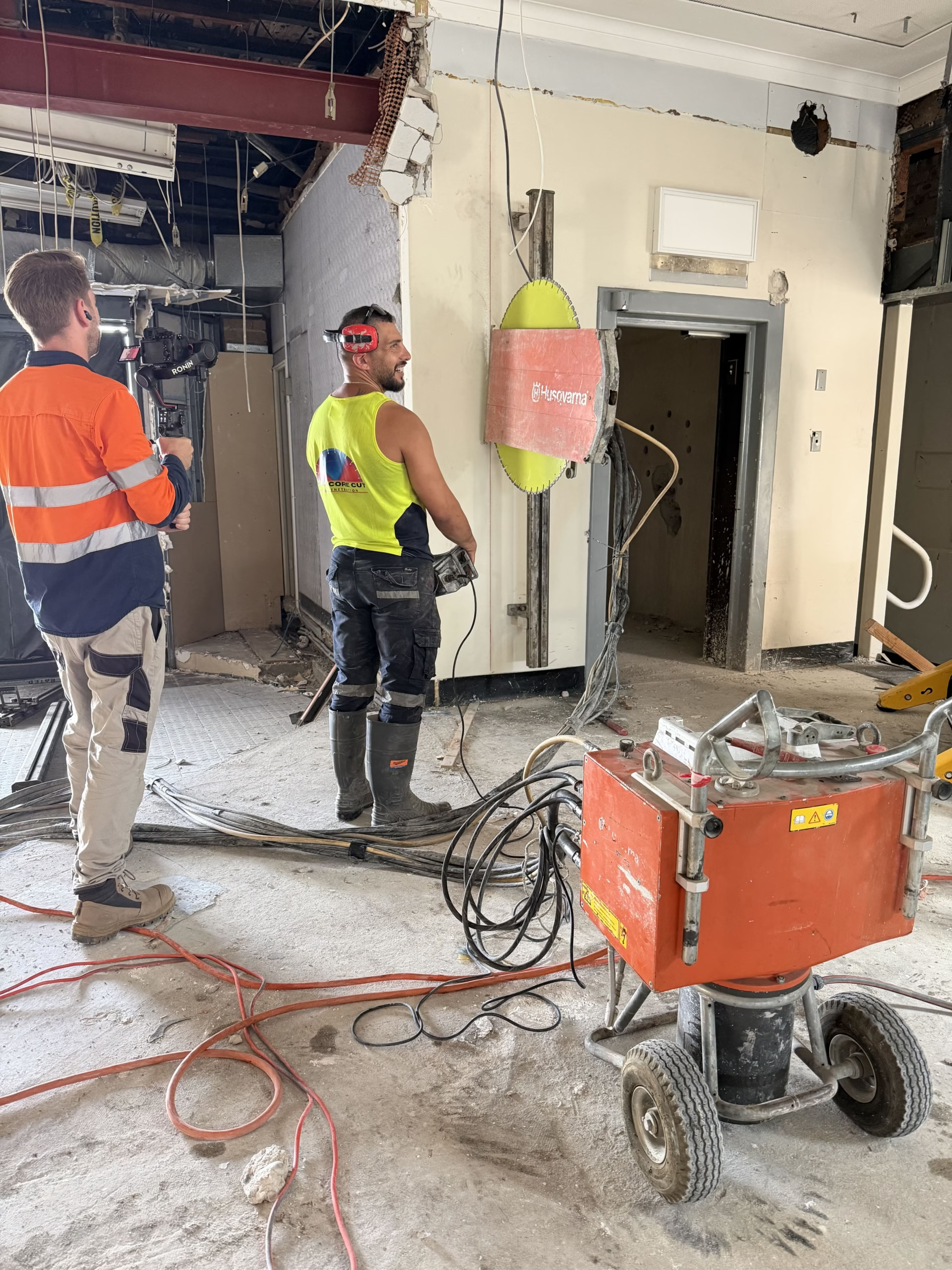
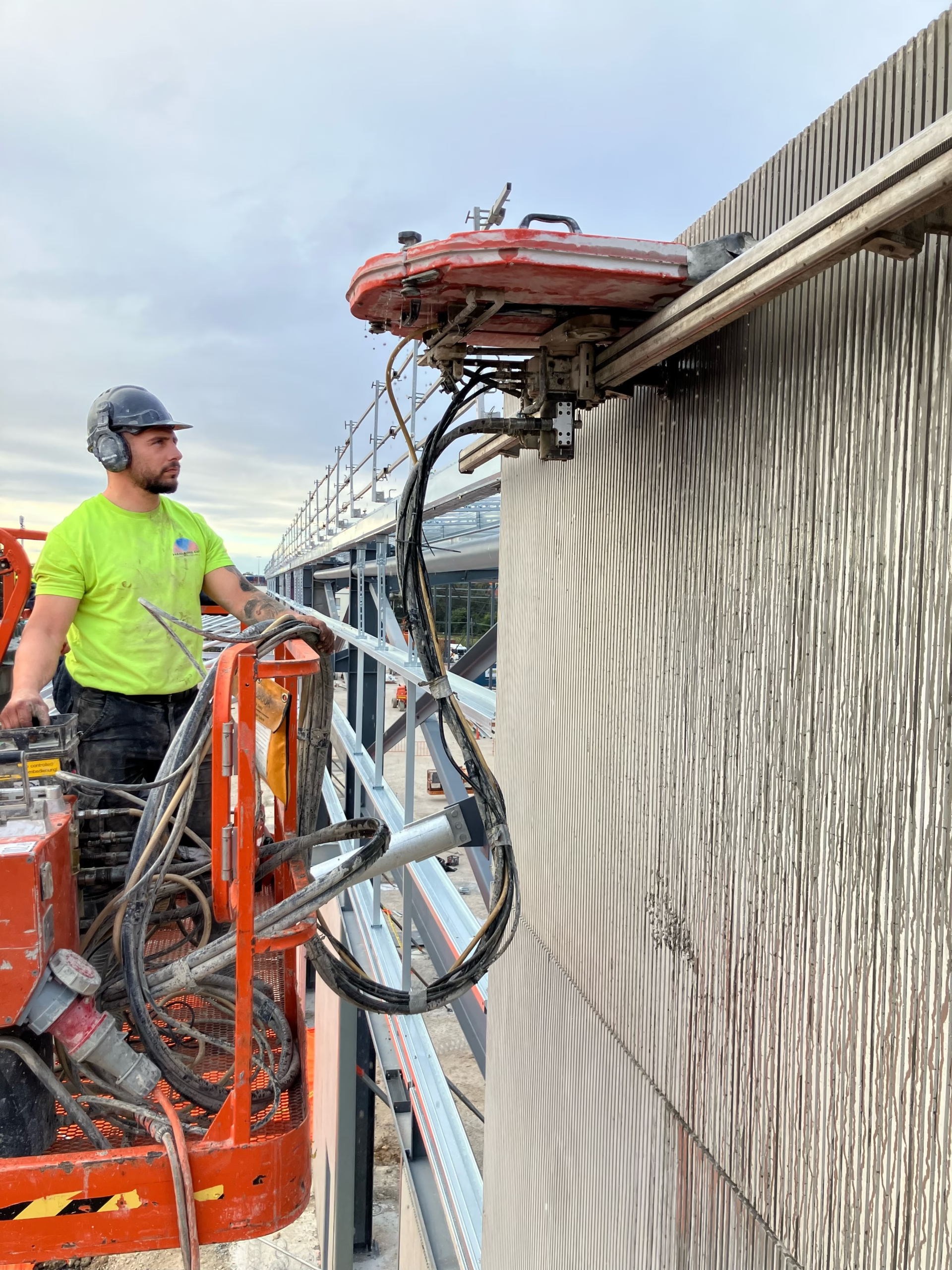
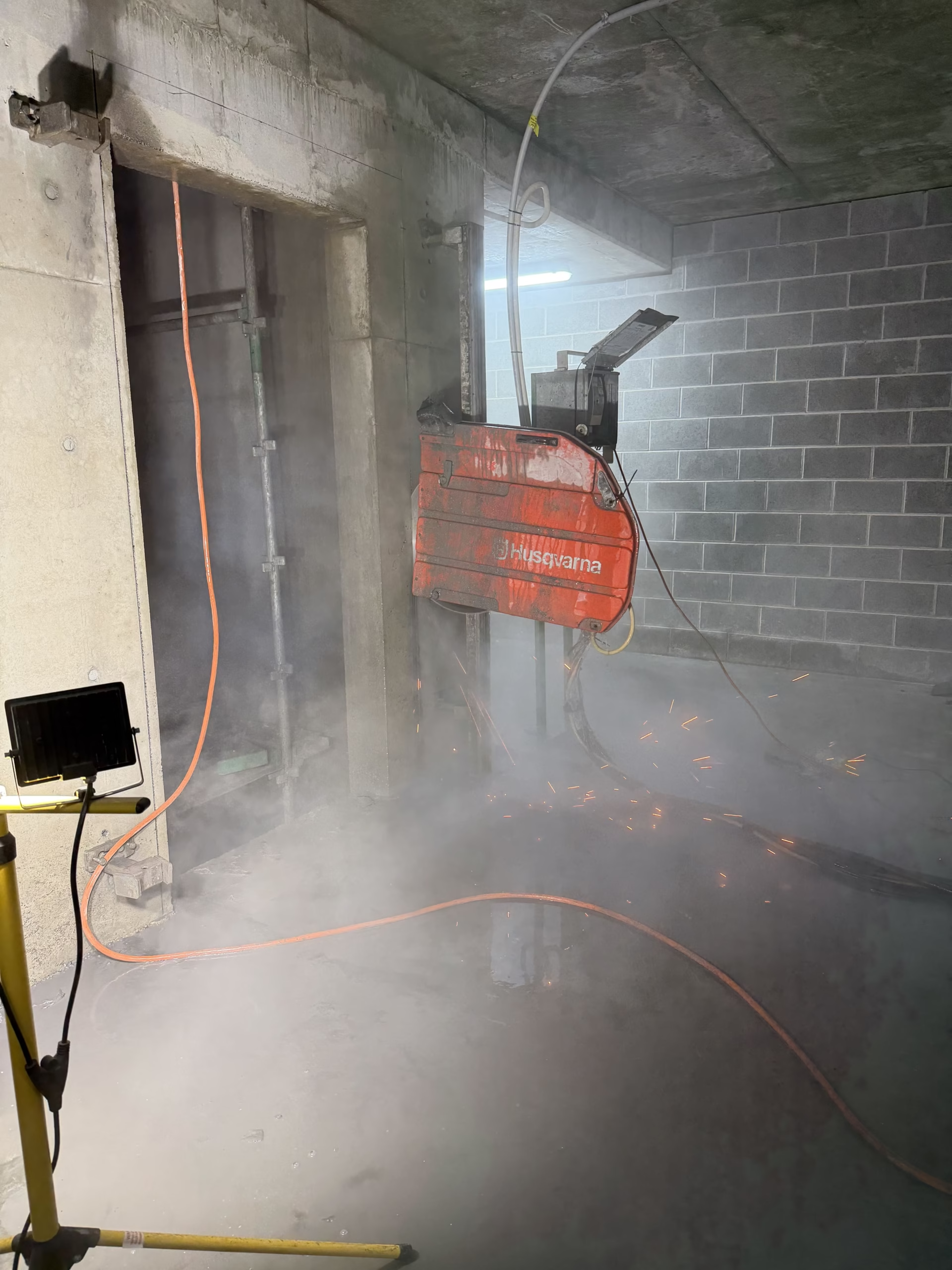
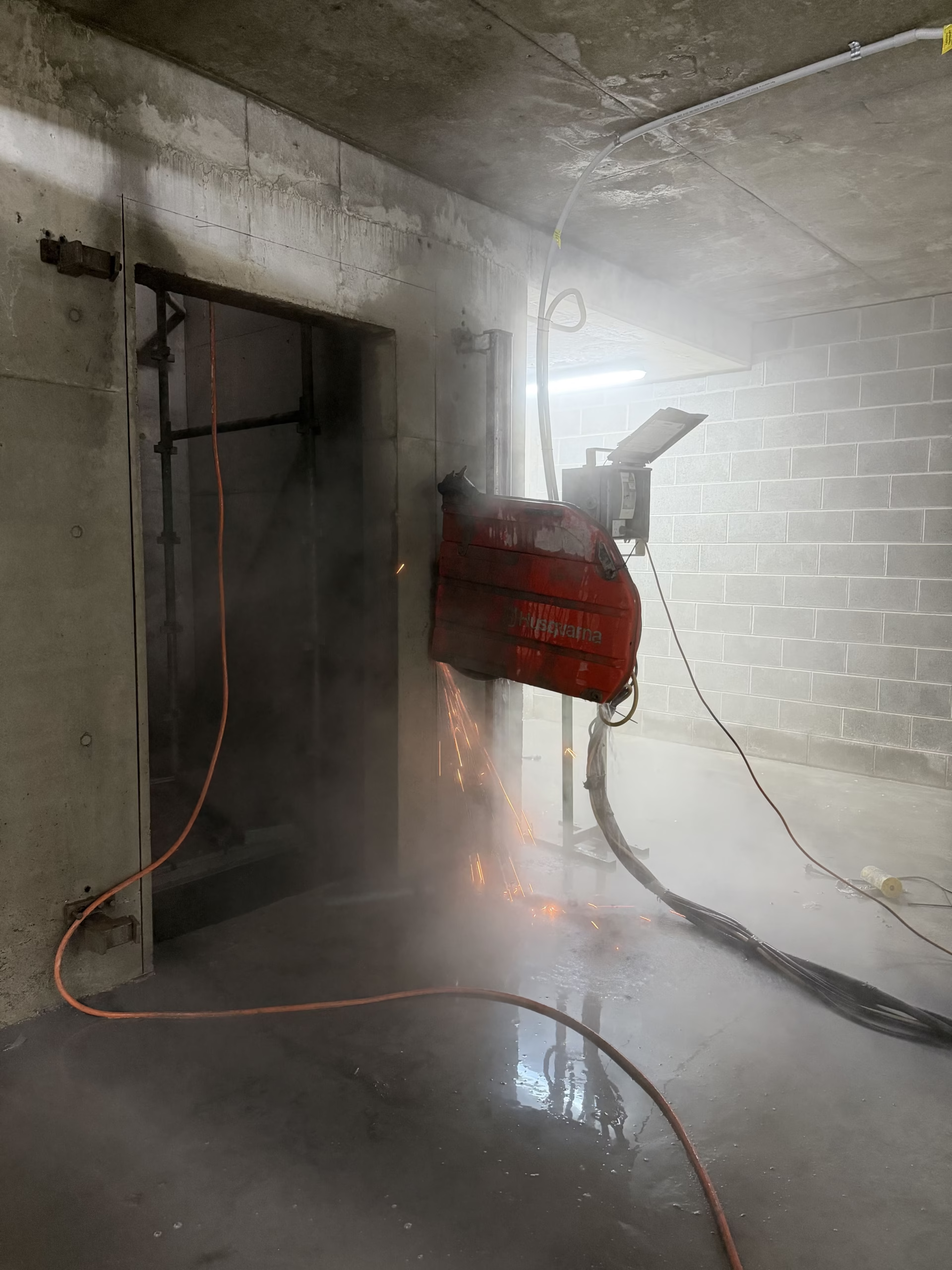
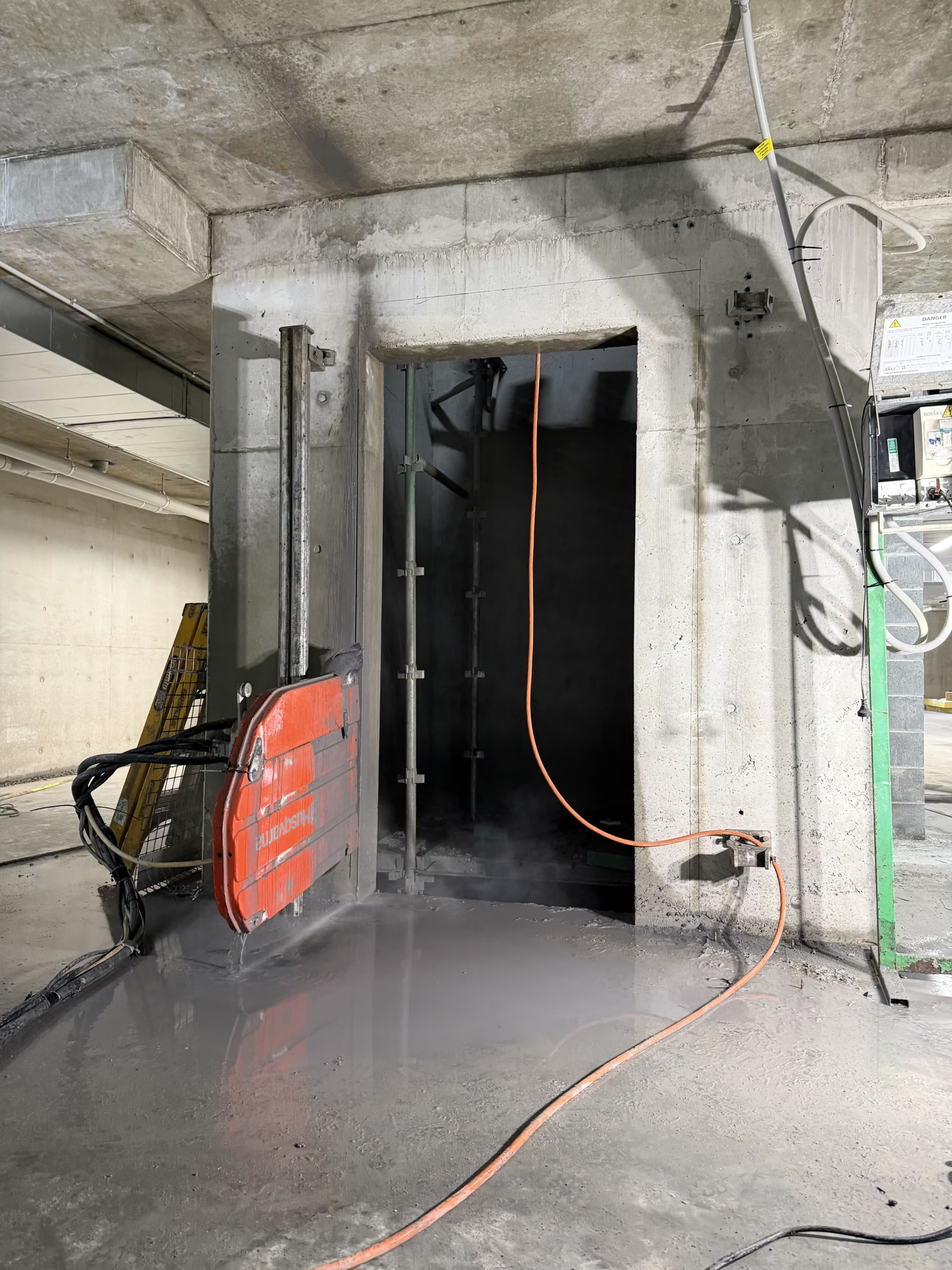
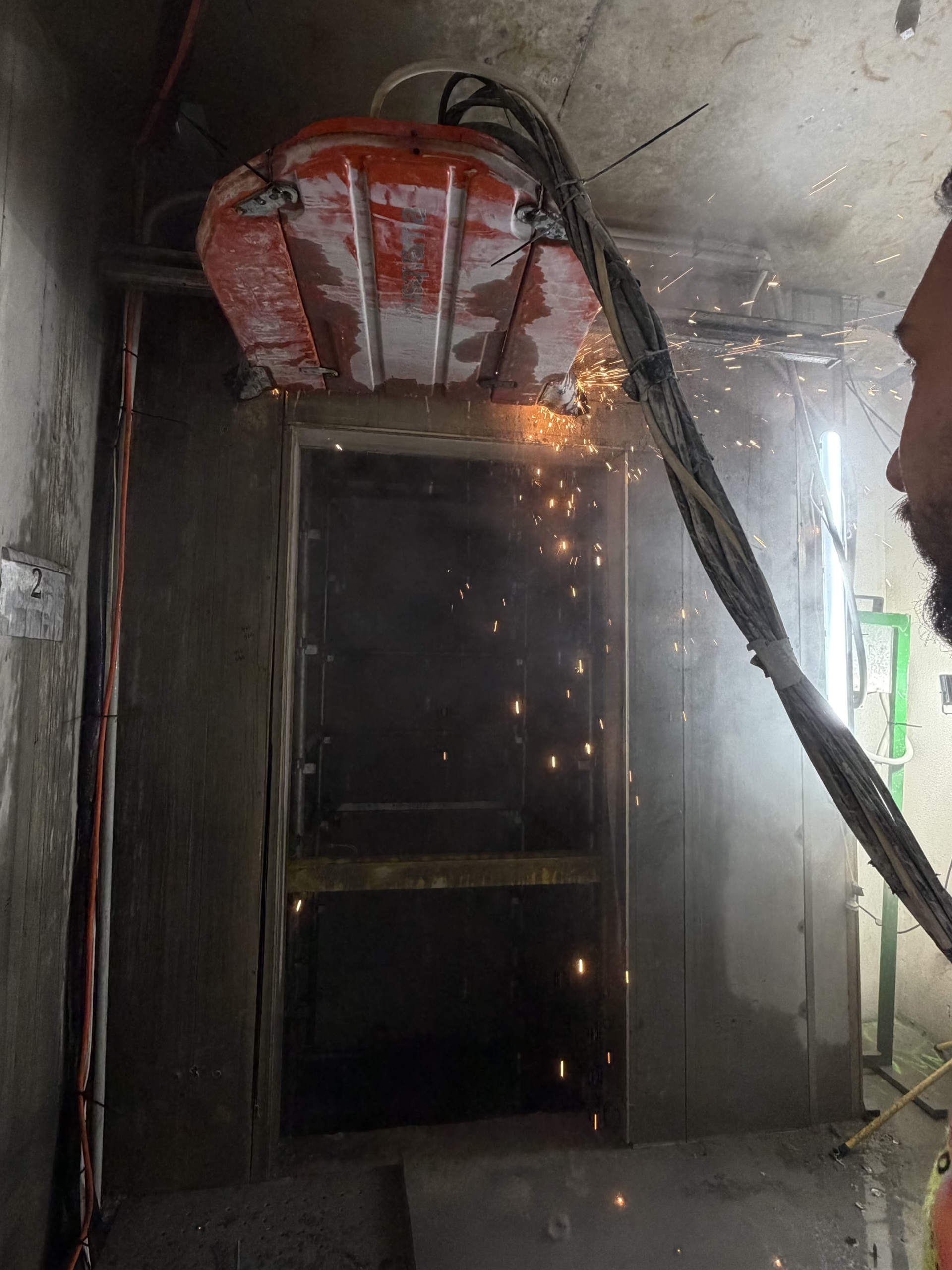
Concrete track sawing (also called track wall sawing) is a concrete-cutting method where a diamond blade saw is mounted on a guided track system that is fixed to a concrete surface. The saw moves along the track to make precise, straight cuts—most commonly in vertical walls, but sometimes in slabs or ceilings.
It is one of the most accurate and controlled forms of concrete cutting.
How it works?
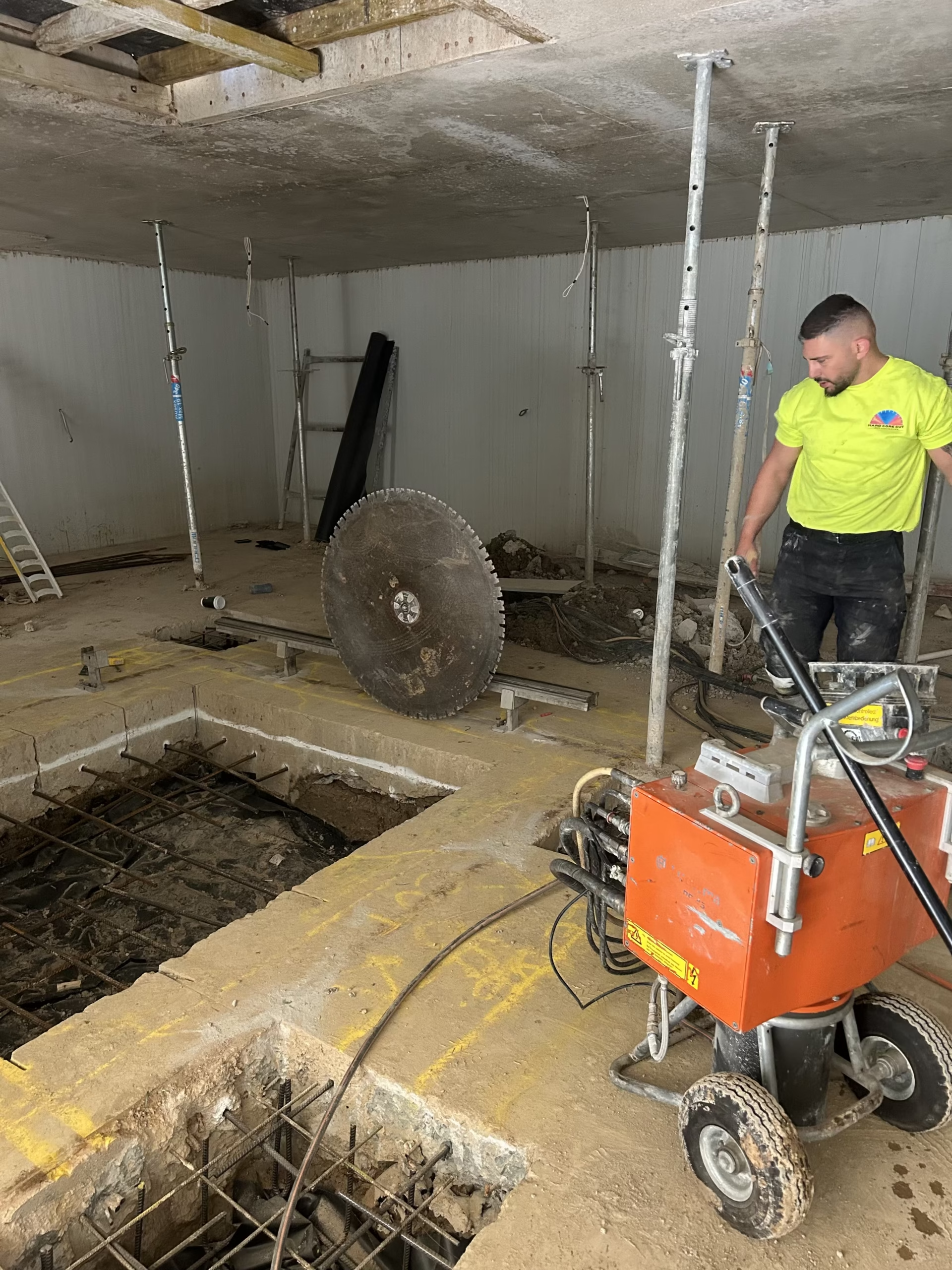
A track-mounted saw consists of:
- A rail or track anchored to the concrete
- A carriage that holds and drives the saw motor
- A diamond blade (usually large diameter)
- Hydraulic, electric, or sometimes high-frequency electric power
The track ensures the blade follows a perfectly straight line
What it is used for
Wall openings (most common use)
- Doors
- Windows
- Lift shafts
- Stairwell openings
- Service penetrations in concrete walls
Structural modification
- Cutting large sections of reinforced concrete walls
- Removing entire wall panels
- Altering load-bearing structures (with engineering approval)
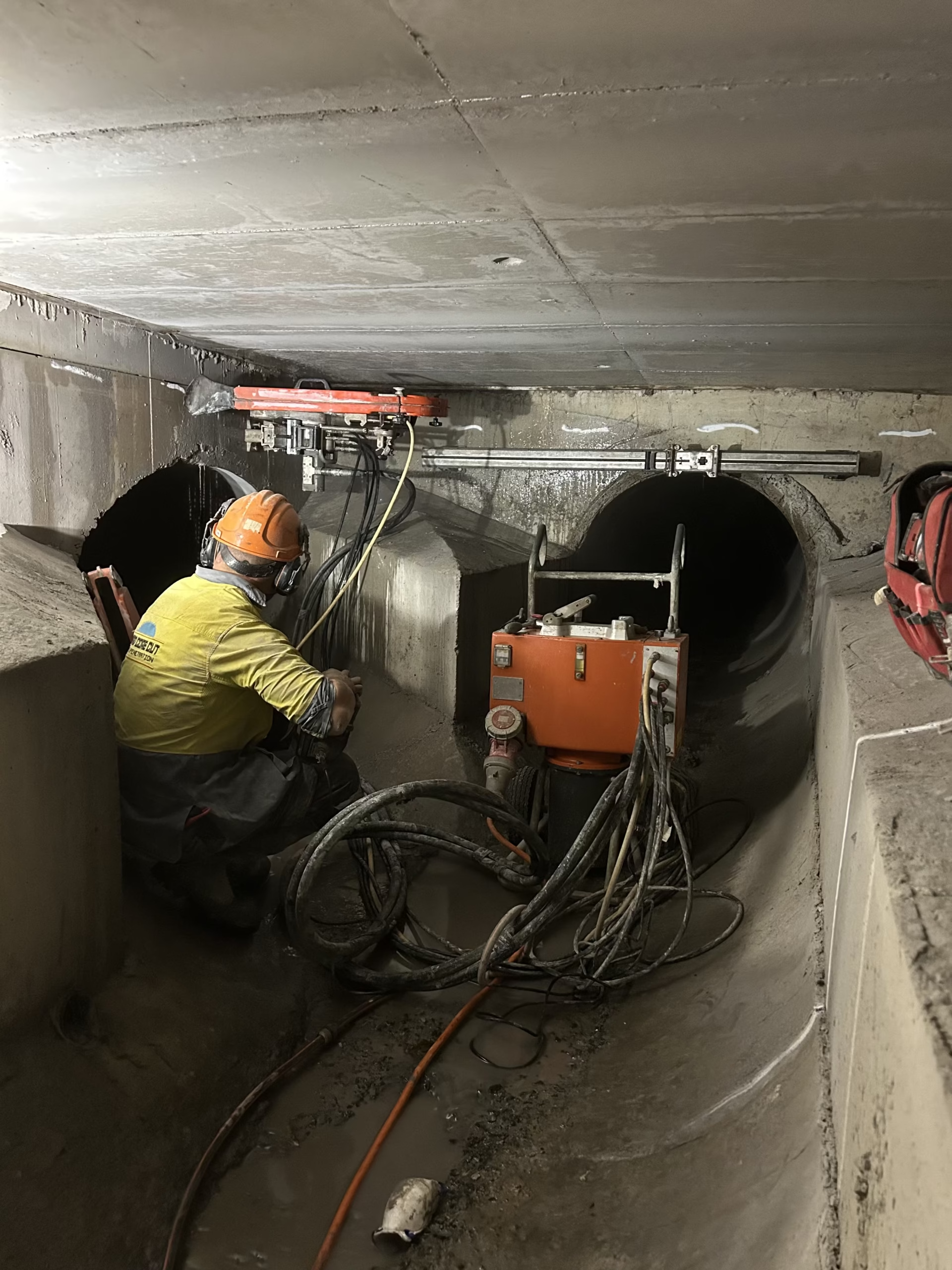
Infrastructure work
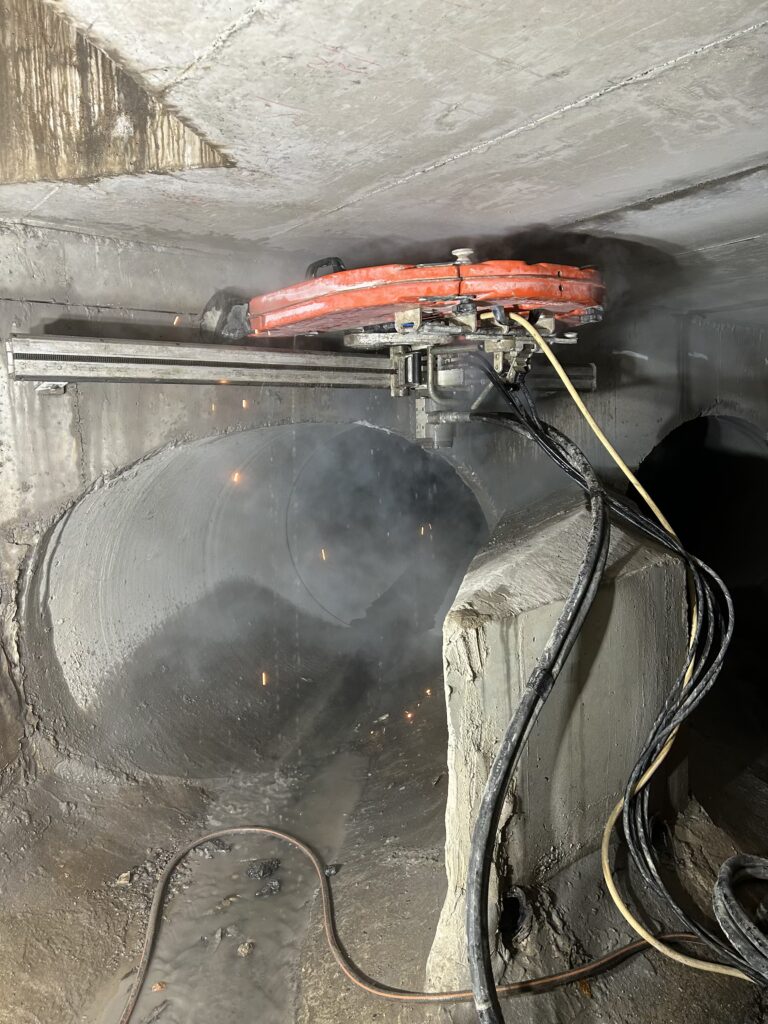
- Bridges and tunnels
- Retaining walls
- Dams and marine structures
- Industrial facilities
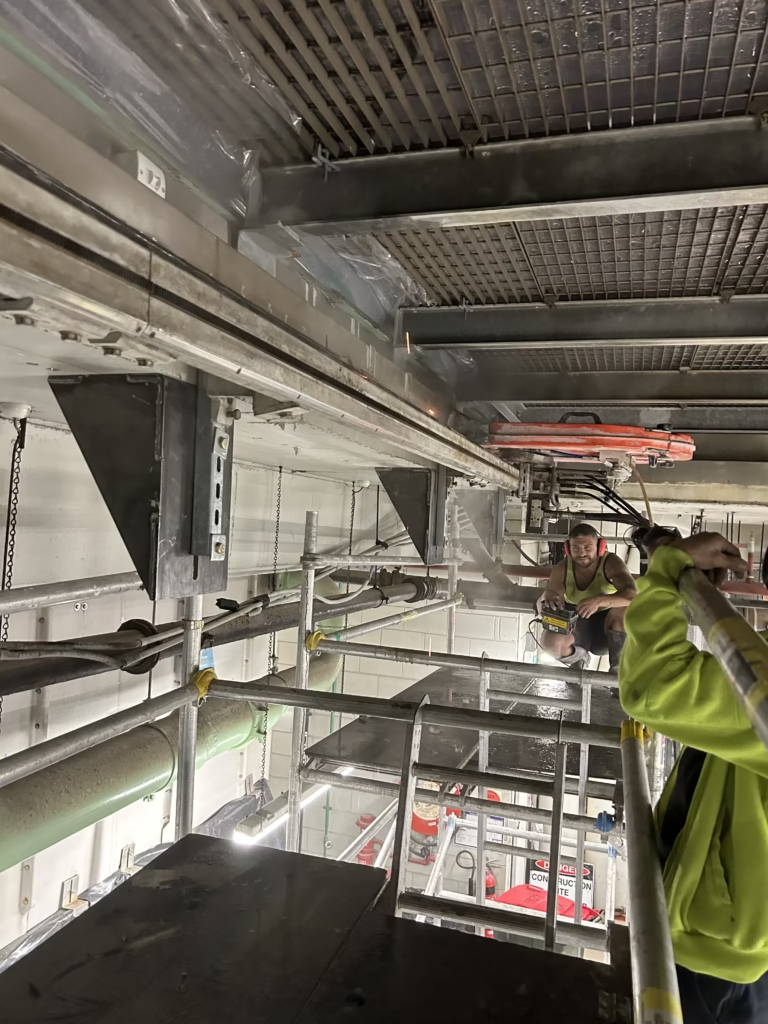
Why use track sawing?
Precision: Extremely straight and accurate cuts and minimal deviation even in thick reinforced concrete.
Control: Can cut large openings in a controlled way without damaging surrounding structure.
Power and capacity: Cuts very thick, heavily reinforced concrete (often 300–1000+ mm depending on setup).
Reduced vibration: Safer for structural integrity compared to jackhammer demolition.
Advantages
- High accuracy (best for architectural openings)
- Clean edges suitable for doors and windows
- Handles heavily reinforced concrete
- Can cut large, deep sections in stages
- Safer for controlled structural removal
Limitations
- Requires bolting or anchoring a track system
- Slower setup compared to handheld cutting
- Not suitable for tight or irregular spaces
- Requires skilled operators and planning
- Equipment is heavy and not highly portable
Track sawing vs other methods
Method | Best use |
Track sawing | Precise wall openings and structural cuts |
Hand sawing | Small, flexible cuts in tight spaces |
Ring sawing | Deep handheld cuts where tracks can’t be set up |
Roadsawing | Horizontal slab and road cutting |
Wire sawing | Very thick or complex structures |
Example
If a contractor needs to install a new doorway in a reinforced concrete wall of a commercial building, they would:
- Bolt a track system to the wall
- Mount the track saw carriage
- Cut the outline of the doorway in straight, precise passes
- Remove the cut section safely
For contractors doing bridge demolition, large penetrations, and heavy reinforced concrete, the brands most commonly considered premium are:
- Pentruder
- Husqvarna Construction
- Tyrolit
- Hilti
These brands dominate commercial wall sawing and track sawing worldwide and are commonly used on infrastructure projects, bridge modifications, and major structural demolition.
A track (wall) saw is the preferred tool when you need precise, controlled cuts in reinforced concrete and the cut is too large, deep, or accurate for hand saws and core drilling alone.
Common Situations for Using a Track/Wall Saw
Door and Window Openings
- Creating new doorways or windows in concrete walls.
- Enlarging existing openings.
- Maintaining straight, clean edges for builders and installers.
Structural Modifications
- Removing sections of load-bearing walls.
- Creating access openings between rooms.
- Installing lifts, escalators, and stairwells.
Bridge Work
- Removing bridge parapets and barriers.
- Cutting bridge decks for repairs or widening.
- Creating expansion joint openings.
- Precise removal of damaged concrete sections.
Service Penetrations
- Large HVAC openings.
- Electrical and cable penetrations.
- Plumbing and drainage penetrations.
- Openings too large to core drill economically.
Lift Shafts and Stair Openings
- Cutting floor and wall sections for new lift installations.
- Creating stairwell openings through multiple levels.
Industrial Demolition
- Controlled removal of concrete walls.
- Cutting around equipment that must remain in service.
- Separating concrete structures into manageable sections for crane removal.
Infrastructure Projects
- Tunnel modifications.
- Retaining wall alterations.
- Railway platform modifications.
- Water treatment and wastewater facilities.
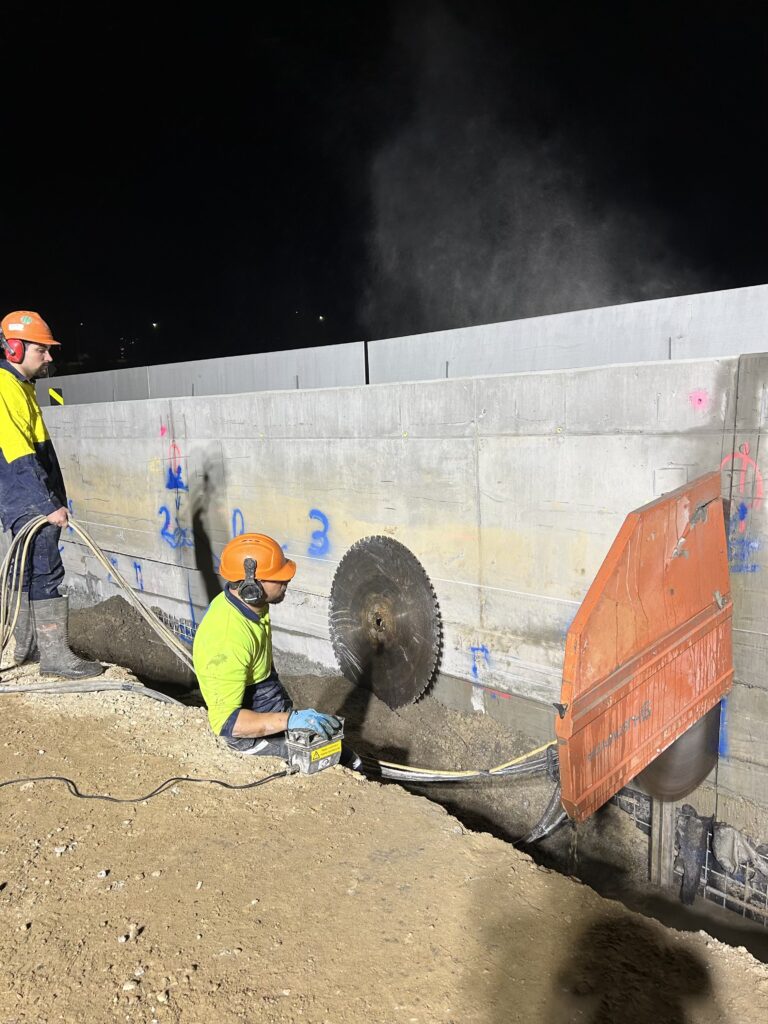
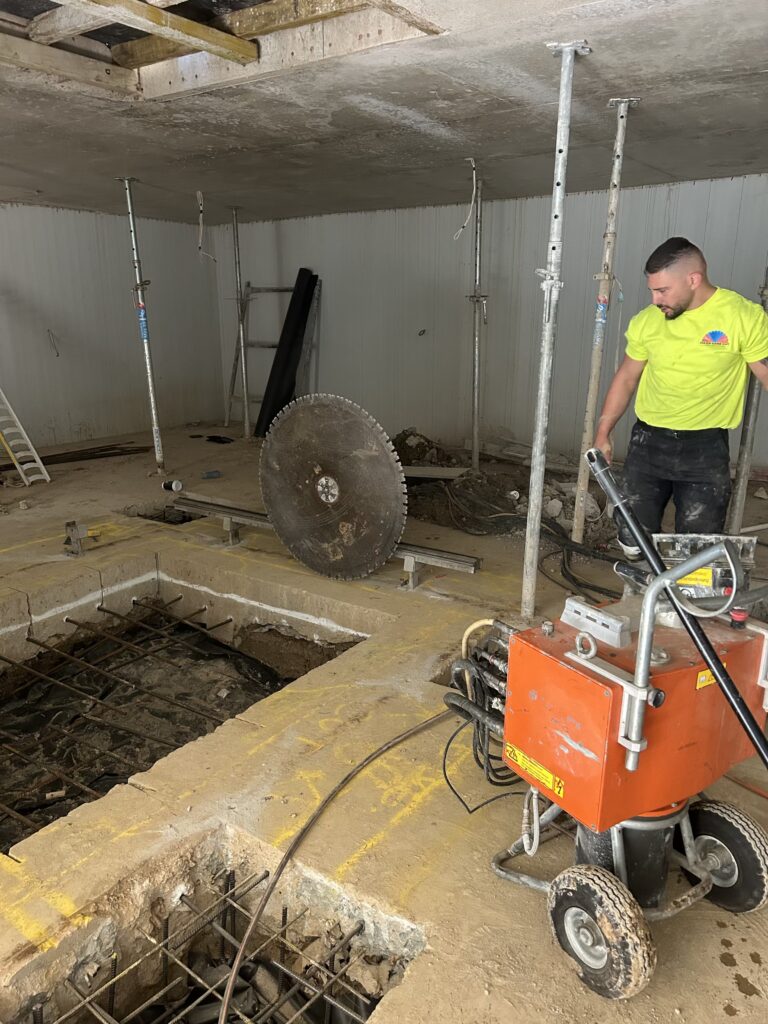
When a Track Saw Is Better Than Other Methods
Method | Best For |
Core drilling | Round holes and corners |
Hand saw | Small cuts up to moderate depth |
Floor saw | Horizontal slab cuts |
Track/Wall saw | Large, deep, precise vertical or overhead cuts |
Wire saw | Extremely thick concrete (>700–1000 mm) or irregular shapes |
Typical Thickness Range
A wall saw is commonly used on:
- Reinforced concrete walls
- Bridge decks
- Suspended slabs
- Precast panels
- Thicknesses from roughly 150 mm to over 700 mm, depending on the saw and blade size.
For very thick bridge piers, abutments, or heavily reinforced structures where the required cut depth exceeds the wall saw’s capacity, contractors often start with a wall saw and finish with a wire saw.
Why Contractors Choose a Wall Saw
- Straight, accurate cuts
- Minimal vibration (important around existing structures)
- Cleaner finish than breakers
- Can cut heavily reinforced concrete
- Safer and more controlled removal of large concrete sections
- Reduced risk of cracking surrounding concrete